

Wireless Vacuum Sealer technology is rapidly transforming how home cooks and busy households preserve food, reduce waste, and make meal prep more efficient. If you’re comparing portable food vacuum sealers or wonder whether a handheld model is right for your kitchen, this guide provides a realistic, actionable overview of this trending appliance—without the hype.
Key Takeaways
- Wireless vacuum sealers are booming in popularity due to portability and home cooking trends, with the market expected to more than double by 2032.
- Most complaints involve high initial price and uncertainties about long-term durability; verified freshness data is still rare.
- Entry-level models focus on essential features, but premium versions add smart connectivity and cordless convenience at higher price points.
The Core Concept
Wireless vacuum sealers are handheld, battery-powered devices designed to remove air from food storage bags or containers—preserving food longer, preventing spoilage, and reducing freezer burn. What sets them apart from traditional models is cordless flexibility: you can use these sealers anywhere in your kitchen, at a campsite, or even while traveling. This fits the growing demand for minimalist, portable kitchen gear and helps cut down on plastic waste by preserving food more efficiently.
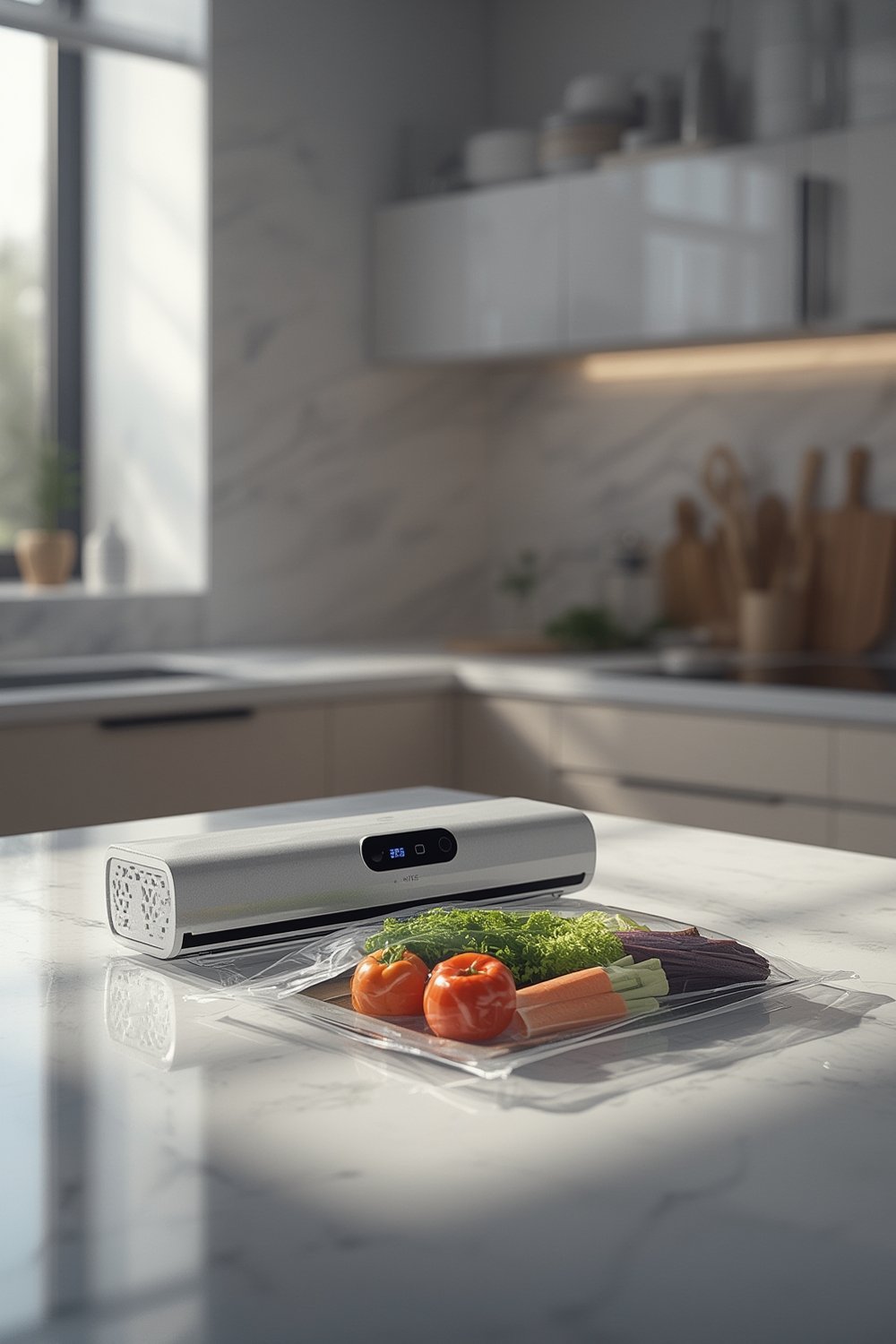
Demand is surging—industry data shows the global handheld vacuum sealer market hit $1.2 billion in 2023 and is projected to reach $2.6 billion by 2032, with a CAGR of nearly 9% (source). Annual unit sales now surpass 100 million in regions like North America, Europe, and East Asia (source). Consumers value these appliances for two main reasons: portable vacuum sealers keep food fresh and make meal prep nearly mess-free.
Real-world uses include vacuum-packing leftovers, bulk meats, delicate produce, and even marinating food in minutes. Urban households and health-conscious families—especially in the Asia Pacific and North America—are fueling the adoption. For those with limited space, products like a Portable Air Fryer or Countertop Dishwasher pair perfectly with these compact vacuum sealers for a modern, space-efficient kitchen.
Step-by-Step Guide
To get the most out of your wireless vacuum sealer, consistent process is key. Follow these steps:
- Charge Your Device
Most models rely on built-in rechargeable batteries. Always charge fully before your first use, even if the device has partial charge out of the box. - Prepare Bags or Containers
Use only compatible vacuum sealer bags made for your model. Poor fit leads to failed seals and wasted food. - Fill, Arrange, and Flatten
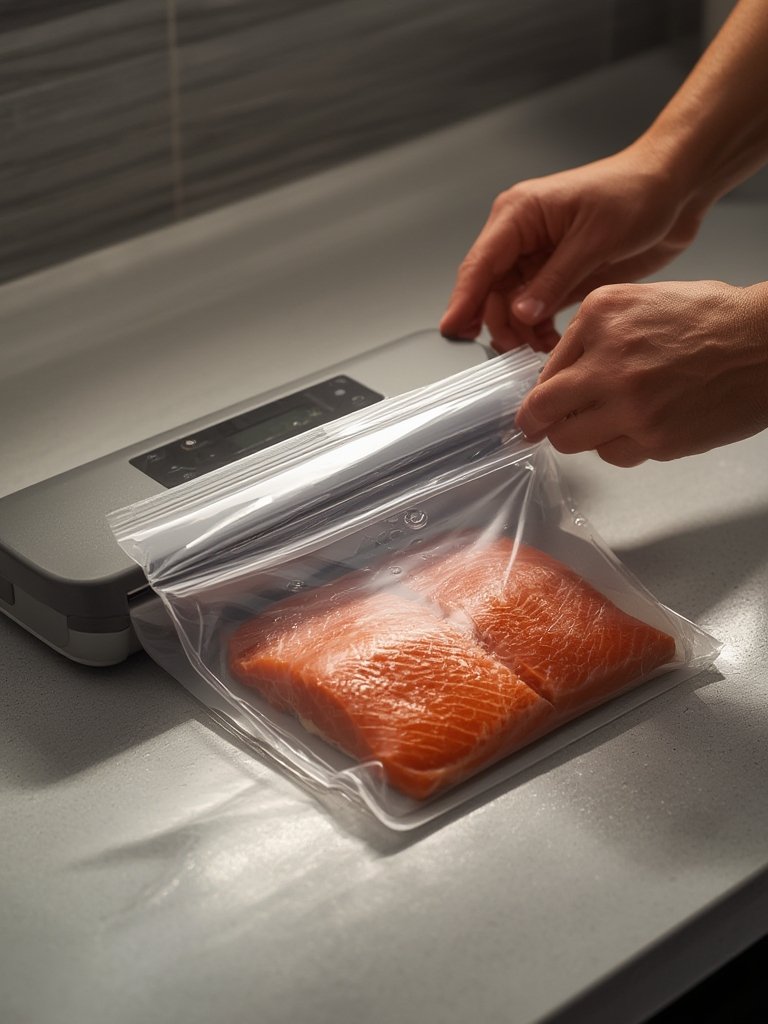
Avoid overfilling. Lay food flat in the bag and leave enough space at the top for the seal. For liquid-rich foods, you can freeze for an hour before sealing. - Position and Activate the Sealer
Align the machine’s suction port over the bag’s valve (or proper spot). Start the suction—most units have a clear start button or touch control. - Seal and Store
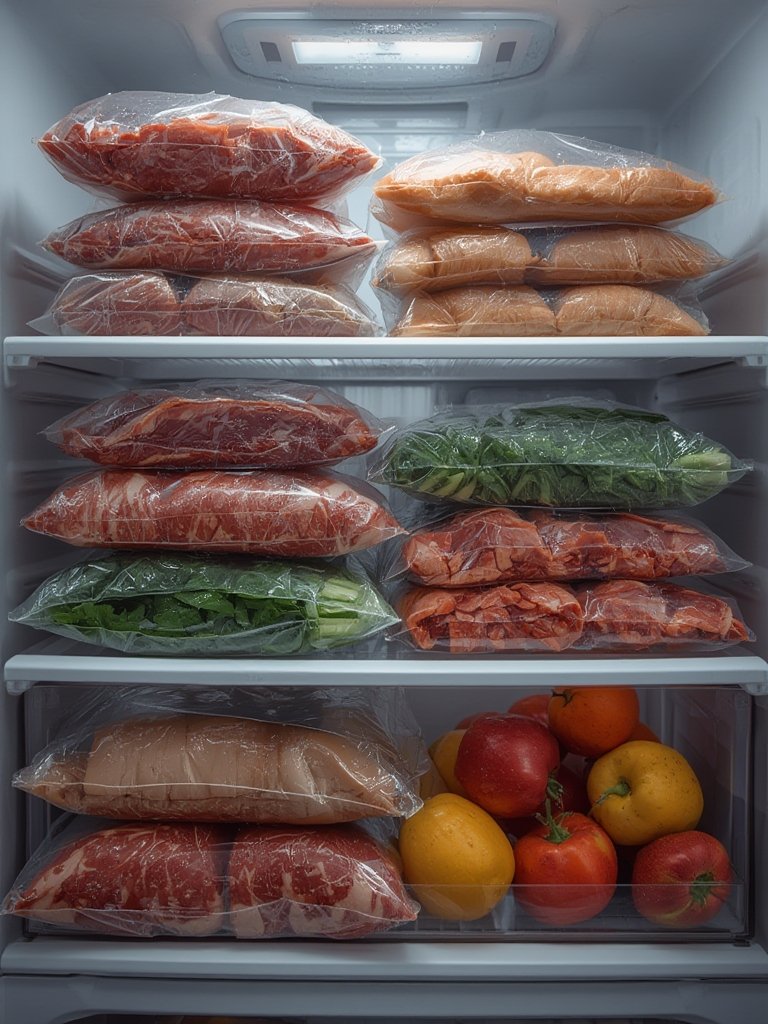
After sealing, double-check for leaks. Wipe away any residue or liquid from outside; then label with a date and store in the fridge or freezer.
For those building a smart kitchen, look for models featuring app control via Bluetooth or WiFi. Many now integrate with nutrition tracking platforms and smart scales, like a Smart Kitchen Scale, to streamline meal prep and grocery management.
If you value eco-friendly materials or need a truly compact setup, check out brands that use BPA-free plastics and recyclable packaging. Smaller “mini vacuum sealer for bags” devices are ideal for apartments and pair well with other minimal appliances such as an Electric Warming Tray or Automatic Stirring Pot.
Advanced Analysis & Common Pitfalls
Despite the benefits, wireless vacuum sealers aren’t perfect and may not be the best solution for everyone. Here’s what product research and consumer feedback reveal:
- Higher Initial Cost: Wireless and handheld vacuum sealers generally cost more than basic countertop units. Entry-level models start around $20, while premium, app-enabled, or smart-connected models easily exceed $100 (source).
- Durability Concerns: Handheld devices may not last as long as plug-in units. Users report uncertainty over battery life and reliability, especially for frequent use.
- No Quantified Freshness Data: While most brands advertise “extended shelf life,” few provide studies showing exactly how much longer food lasts (vs. traditional storage).
- Compatibility Issues: Using off-brand or mismatched bags often causes failure to seal, wasted ingredients, and unnecessary mess.
- Missing Technical Specs: Many manufacturers do not publish clear technical specs like suction power, battery capacity, or exact weight—making it harder to compare models side-by-side (source).
| Feature | Entry-Level | Mid-Range | Premium |
|---|---|---|---|
| Price | $20–$35 | $40–$70 | $80–$120+ |
| Battery / Cordless | Not always | Rechargeable battery | High-capacity, fast charge |
| Suction Power (rated) | Unpublished/Basic | Moderate | High, some adjustable |
| Smart Features | None | Rare/Bluetooth limited | Bluetooth/WiFi, app integration |
| Bag Compatibility | Brand only | Some cross-compatibility | Multi-brand & containers |
If you’re considering alternatives, countertop models or even Mini Bag Sealer gadgets can handle small snack bags but won’t offer the true vacuum storage benefit for meats or meal prep. Looking for a totally smokeless meal-prep setup? Pairing a vacuum sealer with an Electric Indoor Grill keeps your kitchen odor and mess free while locking in freshness.
Conclusion
Wireless vacuum sealers are a top pick for anyone seeking portable food storage and quick, reliable meal prep at home or on the go. Just remember the potential downsides—higher upfront cost and the need for careful compatibility. As with any appliance purchase, choose a model that matches your daily habits, space needs, and budget. Ready to upgrade your kitchen? Explore the best wireless vacuum sealer options and experience a new level of fresh, organized cooking today.
FAQ
Are wireless vacuum sealers as strong as regular plug-in models?
Most quality wireless vacuum sealers offer enough suction for everyday kitchen use, but typical plug-in models still have higher suction ratings. For most home needs, the difference is rarely noticeable.
What bags should I use with a wireless vacuum sealer?
Always use vacuum sealer bags specified by the manufacturer. Using off-brand bags can cause sealing issues or leaks, wasting food and reducing freshness.
How long does food really last when vacuum sealed?
Manufacturers claim food stays fresh several times longer than traditional storage, but reliable comparison studies are limited. Most users experience noticeably less spoilage and freezer burn, but times will vary by food type.
What features are worth paying extra for?
If you seal large batches or value convenience, look for high-capacity batteries, Bluetooth/app control, and models rated for both bags and containers. Entry-level devices are best for light use or travel.
Is it safe to vacuum seal liquids or soups?
Directly vacuum sealing liquids is tricky. Freeze soups or stews first, or use dedicated container accessories to prevent liquids from being sucked into the device and causing damage.