

Under-cabinet Vacuum systems are changing how homeowners tackle kitchen floor mess, offering a built-in, hands-free way to sweep up crumbs, pet hair, and daily debris — no traditional dustpan required.
Key Takeaways
- Under-cabinet vacuums offer a fixed, time-saving solution for kitchen floor cleanup, but installation costs can be significant compared to portable models.
- Central vacuum and stationary kitchen vacuum systems provide stronger suction and quieter operation than standard upright or robotic vacuums.
- Potential pitfalls include high upfront costs and a lack of detailed user feedback or proven family-oriented case studies.
- What Is an Under-Cabinet Vacuum & Why Use One?
- How to Add an Under-Cabinet Vacuum: Step-by-Step Guide
- Advanced Analysis & Common Pitfalls
- Conclusion
- Frequently Asked Questions
What Is an Under-Cabinet Vacuum & Why Use One?
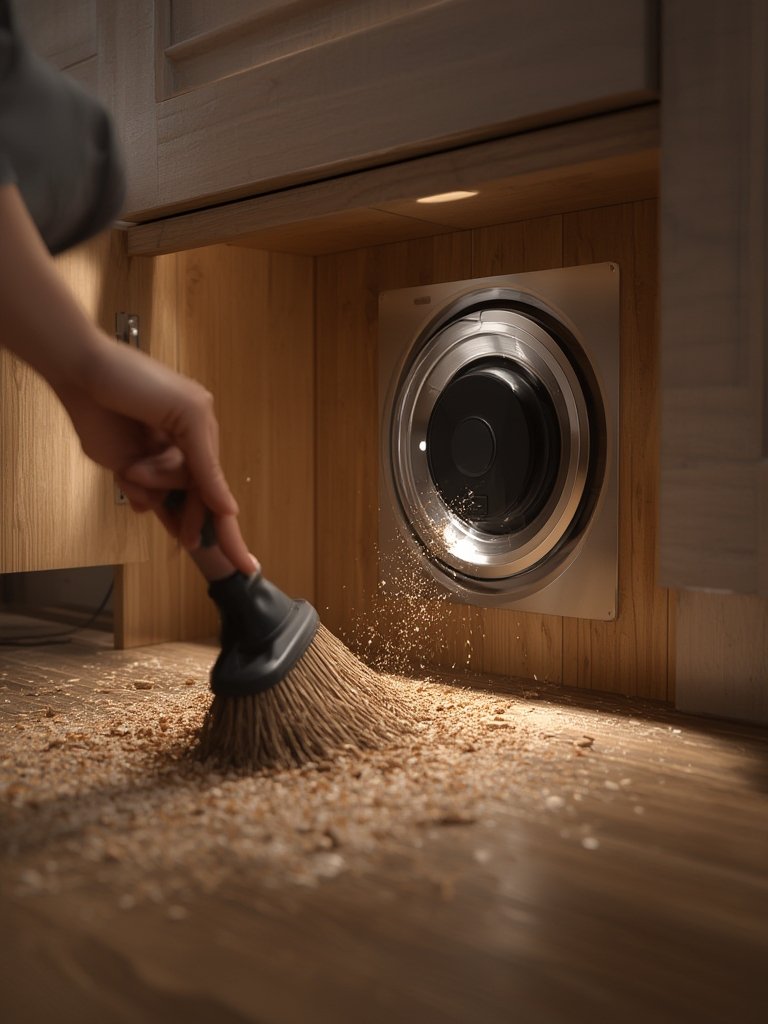
An under-cabinet vacuum (also called a stationary kitchen vacuum or toe-kick inlet) is a built-in cleaning device installed beneath kitchen cabinetry. It works like an automatic dustpan: Sweeping crumbs or debris towards the slot triggers powerful suction, making clean-up faster and easier, especially in busy kitchens with pets or kids.
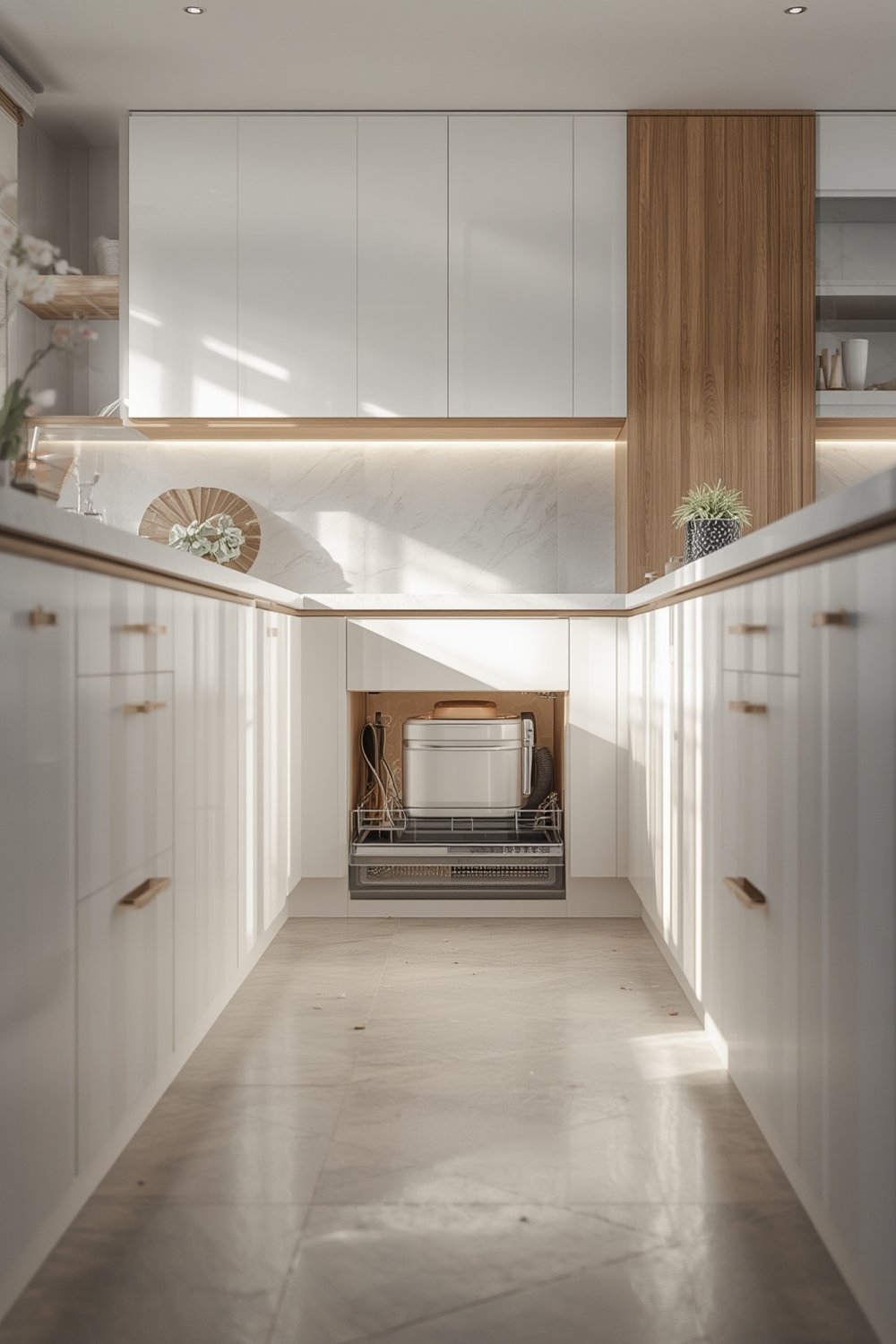
This solution gained popularity as the under-cabinet vacuum drawer market surged to USD 1.27 billion in 2024. Unlike upright or robotic vacuums, these systems offer a hands-free “sweep-to-clean” experience and can be integrated with central vacuum systems for even greater suction and allergen control. Homeowners increasingly choose under-cabinet vacuums to keep floors tidy without dragging out bulky equipment or bending over with a dustpan.
People with small kitchens, open layouts, or active households find these devices practical. However, keep in mind costs and retrofitting challenges if your kitchen is already built. For more kitchen appliance space-savers, see our guide to choosing a portable air fryer or even a countertop dishwasher.
How to Add an Under-Cabinet Vacuum: Step-by-Step Guide
Ready to streamline kitchen cleanup? Here’s a thorough, actionable process you can follow, whether renovating or updating an existing kitchen.
- Assess Compatibility: Ensure your cabinets have enough toe-kick space (usually at least 4.5 inches high and 12-16 inches wide). If not, discuss custom options with your contractor.
- Choose the Right Model: Decide between a standalone automatic dustpan (good for quick installs) or a toe-kick inlet that hooks into a central vacuum system. For large homes or upgrades, opting for integration can boost suction and noise reduction.
- Gather Tools & Supplies: You may need a jigsaw, measuring tape, screwdriver, and safety equipment.
- Shut Off Power: If electrical wiring is involved, shut off relevant breakers as a safety precaution.
- Cut the Toe-Kick Opening: Carefully cut an opening according to the manufacturer’s template, typically below the sink or high-traffic area.
- Install the Unit: Place the vacuum device or inlet into the opening. For central systems, connect the appropriate piping. Tighten brackets as directed (many units come with mounting hardware).
- Connect to Power: Plug in or hardwire as required. If running to a central vacuum, ensure secure pipe and low-voltage connections.
- Test the System: Sweep debris into the opening to confirm activation, suction strength, and automatic shut-off. Adjust if anything is loose or misaligned.
- Routine Maintenance: empty dust bins (for standalone models) or central vacuum canisters regularly. Inspect for blockages or mechanical wear a few times a year.
Installation costs vary based on complexity. Central vacuum systems (which under-cabinet inlets can connect to) typically run USD 1,200 to 2,000 for new construction, and more if retrofittedsource. Standalone units are simpler, but always factor in labor and electrical work.
Want complete smart-kitchen insights? Explore new innovations like the automatic stirring pot and combine convenience appliances for maximum time savings.
Advanced Analysis & Common Pitfalls
Research-backed pros and cons give you a realistic picture before investing:
- High Upfront Cost: Integration with central vacuums or custom cabinetry can make the initial investment steep. Retrofitting older kitchens averages USD 1,500–2,500, which is a barrier for many households.
- Installation Complexity: Not every cabinet layout is compatible; unexpected electrical or space issues may arise, making installation tricky for DIYers.
- Lack of Direct User Feedback: Recent research found minimal consumer reviews or family case studies for toe-kick vacuums and automatic dustpans. Most data comes from broader central vacuum markets, so real-world performance for families with kids or pets is not well documented.
- Reliability & Safety: There have been no notable recalls or safety concerns regarding automatic dustpans or toe-kick vacuums in the past three yearssource, but always check for UL listings and robust warranties.
- Performance vs. Portables: Stationary vacuums outpace uprights and robotic models in suction, noise, and filtration, but are less flexible and portable. See the feature comparison below.
| Feature | Stationary Central Systems | Portable (Upright/Cordless) | Robotic |
|---|---|---|---|
| Suction Power | Superiorsource | Reliable, consistentsource | Optimized for navigationsource |
| Noise Levels | Low (unit remote) | Higher indoors | Low, app-controlled |
| Filtration | Allergen removal, disposable bags | Sealed/HEPA | HEPA for air quality |
Thinking of other integrated kitchen technologies to boost efficiency? Browse our reviews of electric salt and pepper grinders and the latest smart kitchen scales to round out your modern kitchen toolkit.
Conclusion
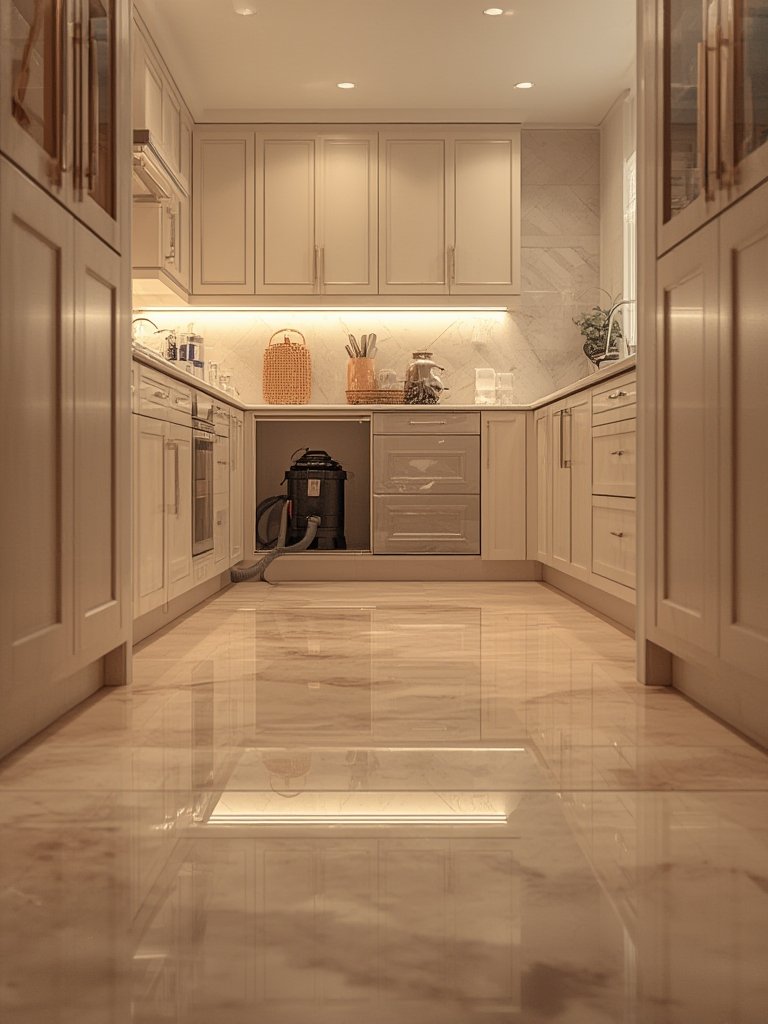
An under-cabinet vacuum is a practical upgrade that simplifies kitchen floor cleaning, especially in homes with frequent mess or limited storage. While the market is expanding (USD 1.27 billion in 2024), buyers should weigh upfront costs, installation complexity, and the current lack of in-depth user testimonials.
Still, if you value daily convenience and want a built-in solution to banish crumbs, a under-cabinet vacuum is worth considering. Assess your kitchen’s compatibility, budget for hidden costs, and consult with your contractor or a local appliance pro before purchase or install. Ready to ditch the dustpan? Research your options and streamline your cleanup today.
Frequently Asked Questions
How much does an under-cabinet vacuum really cost to install?
Central vacuum-linked toe-kick units typically cost USD 1,200 to 2,500 installed, depending on your home’s layout. Standalone under-cabinet vacuums may be cheaper in hardware but still require professional fitting if your kitchen is not set up for easy access.
Do under-cabinet vacuums work with all types of kitchen flooring?
Yes, these devices work with any floor surface where you’d use a broom or dry mop, including tile, wood, luxury vinyl, and laminate. Just sweep debris toward the vacuum inlet for easy pickup.
Are there ongoing maintenance or hidden costs?
For central vacuum toe-kick inlets, periodic maintenance is mostly limited to the main canister and filter. Standalone units need their dust bins emptied regularly. No common hidden costs exist, though repairs may require a professional.
Can an under-cabinet vacuum be added to an existing kitchen?
Yes, but expect higher costs and potential cabinet modifications. Always have a qualified installer assess your kitchen before purchase if retrofitting.
How does the suction and noise compare to a robotic or upright vacuum?
Under-cabinet vacuums linked to central vacuum systems provide stronger suction and much quieter operation, since the motor is located elsewhere. Standalone models are quieter than most uprights but louder than high-end robotic vacuums on quiet mode.