

### Blog Post:
Smokeless Indoor Grill designs have rapidly transformed how apartment dwellers and city home cooks grill indoors, eliminating messy smoke, cutting harmful emissions, and sidestepping traditional open-flame hazards.
Key Takeaways
- Smokeless indoor grills minimize indoor air pollution, offering health and safety advantages over traditional indoor grills.
- Smart features, precise heating, and smoke-capturing tech make smokeless models perfect for apartments but come with limits in capacity and energy use.
- Choosing a grill with safety certifications and proven airflow systems ensures reliable, smoke-free results for year-round indoor BBQ.
- What is a Smokeless Indoor Grill? (and Why Use One?)
- How to Use a Smokeless Indoor Grill: Step-by-Step
- Advanced Analysis & Common Pitfalls
- Conclusion
- FAQ
What is a Smokeless Indoor Grill? (and Why Use One?)
Smokeless indoor grills are electric countertop appliances engineered to grill food without the smoke, fumes, and health risks of standard indoor or outdoor grills. They use advanced heating elements, airflow systems, and filters to trap grease and particles before smoke escapes. This creates a safer cooking environment, especially in apartments and urban homes where traditional grilling is off-limits due to building or lease restrictions.
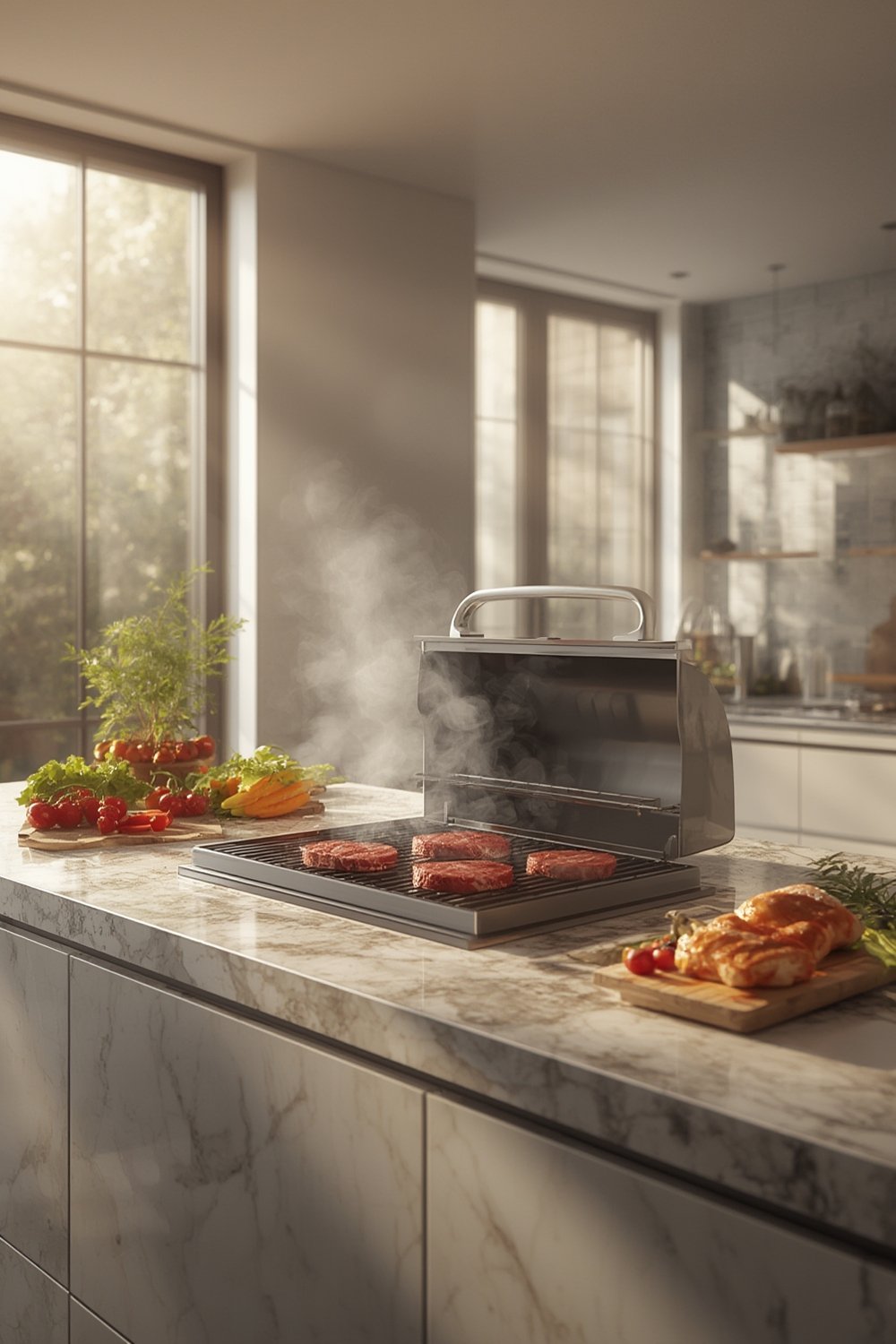
The latest research shows that 72% of urban households now put indoor air quality first and opt for smokeless grill technology. These grills align with global health guidelines and have become essential for anyone wishing to enjoy grilled flavor without compromising on air quality or safety.
Unlike gas or open-flame grills, electric smokeless models offer simple controls, year-round usability, and are compact enough for most kitchen countertops. They also eliminate the exposure to harmful compounds (like PAHs and HCAs) linked to cancer and respiratory problems, as covered by the National Cancer Institute and World Health Organization guidelines.
If you live in an apartment, want to grill indoors, or care about reducing smoke and health risks for your household, the smokeless indoor grill is one of the best alternatives available.
How to Use a Smokeless Indoor Grill: Step-by-Step
Ready to master smokeless, worry-free indoor grilling? Follow this tunable step-by-step routine and get results like a pro:
- 1. Placement and Setup: Position the grill near an outlet with nothing obstructing the built-in vents. Make sure the drip tray and filters are seated properly to avoid spillage.
- 2. Prep Your Ingredients: Cut meats and veggies to the right size; avoid overloading. Pat food dry—excess moisture can still generate steam and minor smoke.
- 3. Preheat: Power on and set your grill to the recommended temperature. Most models heat in 3–6 minutes; modern controls or digital displays make this simple.
- 4. Grill in Batches: Never crowd the grill surface. If you have lots of food, work in batches to allow proper airflow and reduce both smoke and sticking.
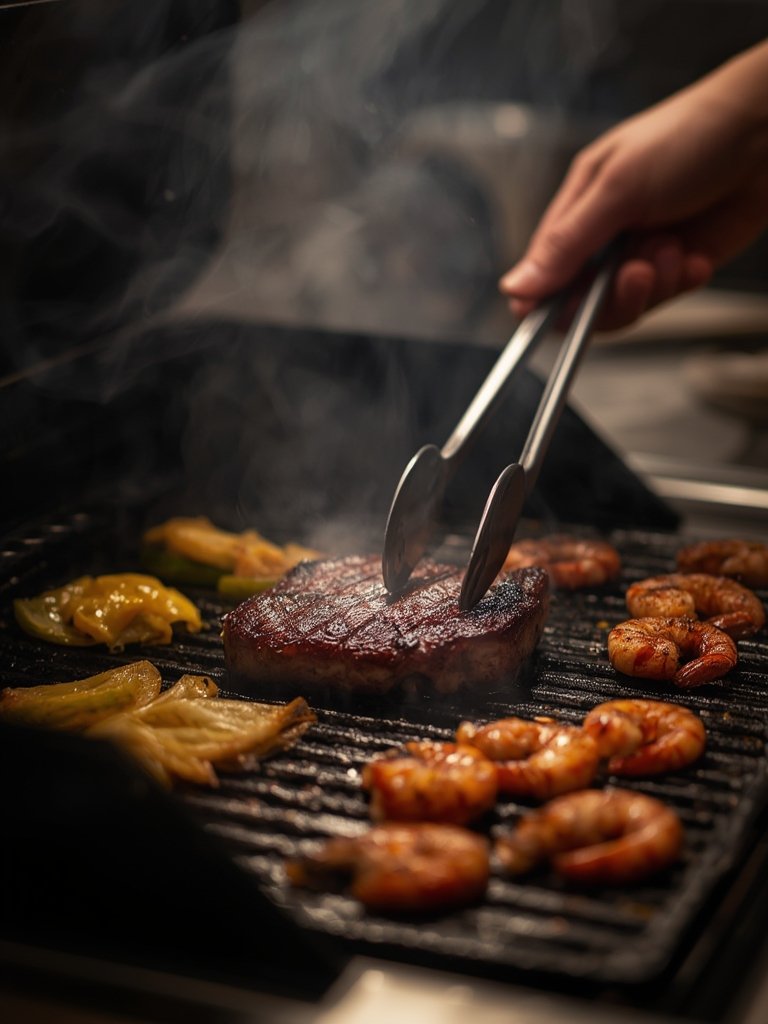
- 5. Monitor and Flip: Use a timer or a smart meat thermometer for even results. Flip food with silicone tongs to protect the non-stick surface.
- 6. Cleanup: When done, unplug and cool the unit fully. Many top grills have dishwasher-safe plates and removable drip trays. Always wipe down filters and seals as excess grease is a main culprit for unwanted smoke next time.
For those who want even less mess, pair your grill with a countertop dishwasher for plates/trays or use a portable air fryer for sides—these appliances complement space-saving kitchen routines.
Want to measure ingredients perfectly for marinades or sauces? Try a smart kitchen scale to get those grill recipes spot on every time.
Advanced Analysis & Common Pitfalls
While smokeless indoor grills deliver major advantages, there are still real-world limitations and issues to consider. Here’s what the research and user sentiment shows for 2024:
Performance & Capacity Limitations
- Smoky Flavor Isn’t the Same: Many users note these grills can’t replicate the ‘classic outdoor smoke’ aroma, even as they minimize harmful emissions. Flavor-chasers may feel let down if expecting true charbroil results indoors.
(See: Data Insights Market)
| Issue | Smokeless Indoor Grill | Traditional Indoor Grill |
|---|---|---|
| Air Quality Impact | Minimizes smoke, VOCs, PAHs via filtration | High emissions of smoke, PAHs, VOCs |
| Capacity | 35% less on average; best for 1–3 people | Higher, but less safe indoors |
| Cleaning | Simple with non-stick plates, but some find drip pans hard to keep odor-free | More complex due to burned-on residue |
| Energy Use | 25–30% higher annual costs (~$180 more) | Lower with gas, but riskier indoors |
| Durability & Parts | Maintenance needed for filters and heating; long-term costs lack data | Parts exposed to flame—corrosion |
| Noise Level | Usually low, but not always measured | Irrelevant—hazard of open flame higher |
Cleaning & Durability
- Regular cleaning of drip pans, heating coils, and filters is vital—neglecting this causes unexpected smoke, odors, or even performance failure.
- Durability over several years is hard to predict since high energy use or frequent intense grilling may wear down heating and airflow systems. Competition from air fryers shows some apartment cooks see these units as less robust for frequent use.
True Costs to Expect
The initial price for high-end, pro-grade models can be significant, especially those with advanced infrared or digital controls. Expect higher annual electricity bills—about USD 180 more for moderate users compared to gas grilling. For a specialty grill like an indoor Korean BBQ setup, commercial scalability and long-term filter replacement add to the investment.
Here’s a breakdown based on available 2024 market data:
| Cost Type | Details |
|---|---|
| Upfront | Significant investment; premium models drive the global market (USD 1.34B) and North America (USD 2.86B). |
| Energy (Annual) | Electric use is 25-30% higher than gas—about USD 180 extra/year for regular users. |
| Replacement Parts | Long-term filter or heating coil replacement cost data is unavailable. |
See full pricing trends from sources like Data Insights Market and Verified Market Research.
Top Features—What Makes a Quality Smokeless Grill?
- Efficient airflow tech and physical smoke filters built-in
- Removable non-stick plates & drip trays for cleanup
- Accurate digital or manual temperature controls
- Compact form factor—the countertop smokeless BBQ grill is ideal for small kitchens, apartments, or travel
Infrared heating elements are becoming the gold standard for fast searing and moisture retention with less smoke. However, no major brands currently publish noise level or long-term reliability test results; always check the warranty and consider expected filter maintenance.
If You Want True Korean BBQ Indoors
- Choose models with high heat output for searing, tabletop communal grilling, and enough capacity for banchan prep.
- Look for brands marketing specifically for indoor Korean BBQ grill features—these are rare but fill a gap in Western-focused models.

Conclusion
A smokeless indoor grill empowers city dwellers and apartment cooks to grill year-round with dramatically less smoke, lower health risks, and fewer safety concerns. While you may trade off a bit of outdoor flavor and capacity, modern smokeless grill technology—when maintained properly—will deliver consistently excellent results with minimal hassle. Check for robust filtration, UL/ETL or ENERGY STAR certifications, and pay attention to energy use if you grill several times a week. Don’t forget to compare with other apartment-friendly appliances like a USB rechargeable pepper grinder or a nugget ice maker to complete your modern indoor setup.
Ready to upgrade your grilling game? Explore the latest smokeless indoor grill options and bring BBQ flavor into your kitchen—smoke-free and safe, whenever you crave it!
FAQ
Do smokeless indoor grills totally eliminate smoke?
No grill is 100% smokeless, but the best models capture and reduce visible smoke by up to 90% using airflow and filters. Overcrowding or very greasy foods may produce light smoke. Always keep components clean for best results.
How safe are smokeless indoor grills for apartments?
Most models are designed for apartment use, using electric heating (not open flames or gas). Prioritize units with UL/ETL certifications for electrical safety, and check your building policy before purchase.
Can I use a smokeless indoor grill for Korean BBQ?
Yes, but look for grills with higher wattage output, quick preheat, and a wide grill plate to mimic authentic Korean BBQ at home. Commercial-grade Korean BBQ grills for home use are rare but becoming available.
Are they hard to clean?
Many units feature dishwasher-safe grill plates and drip trays. Filters and internal fans may need periodic manual cleaning. Neglecting maintenance is the top cause of bad odors or returning smoke.
What features boost indoor air quality most?
Effective smoke filtration (HEPA or mesh), high-efficiency grease drip systems, and accurate temperature controls are the main tech features that cut indoor air pollution during grilling.
—