

### Blog Post:
Smart Kitchen Scale technology is changing how health-conscious home cooks, dieters, and meal preppers track portions and nutrition, offering fast, accurate measurement that connects directly to your phone or favorite food app.
Key Takeaways
- Smart kitchen scales are growing fast, with advanced features for nutrition tracking, precision weighing, and app integration.
- Most models now offer ±1g accuracy, macro tracking, and Bluetooth or WiFi—yet real app integration, price transparency, and reliability info still lag.
- Modern pitfalls include spotty app support, vague privacy policies, and that “smart” does not always mean accurate—or user-friendly.
- What Is a Smart Kitchen Scale, and Why Use One?
- How to Use a Smart Kitchen Scale for Macro & Nutrition Tracking
- Real-World Analysis: Pitfalls, Shortcomings and Technical Details
- Conclusion
- FAQ
What Is a Smart Kitchen Scale, and Why Use One?
A Smart Kitchen Scale is an electronic food scale that not only tells you the weight of your ingredients, but also calculates nutritional information—such as macros, calories, and even sodium—directly on the device or via app. Unlike old digital or mechanical models, these scales often feature Bluetooth or WiFi, let you track your intake over time, and sync with your smartphone, meal planning, or fitness apps. Market growth is fast: the global smart kitchen scale market reached as much as $538 million in 2024, with more users prioritizing health, precise recipes, and wellness routines. The Asia-Pacific region represents 35% of this demand, and online sales are surging due to kitchen tech trends.
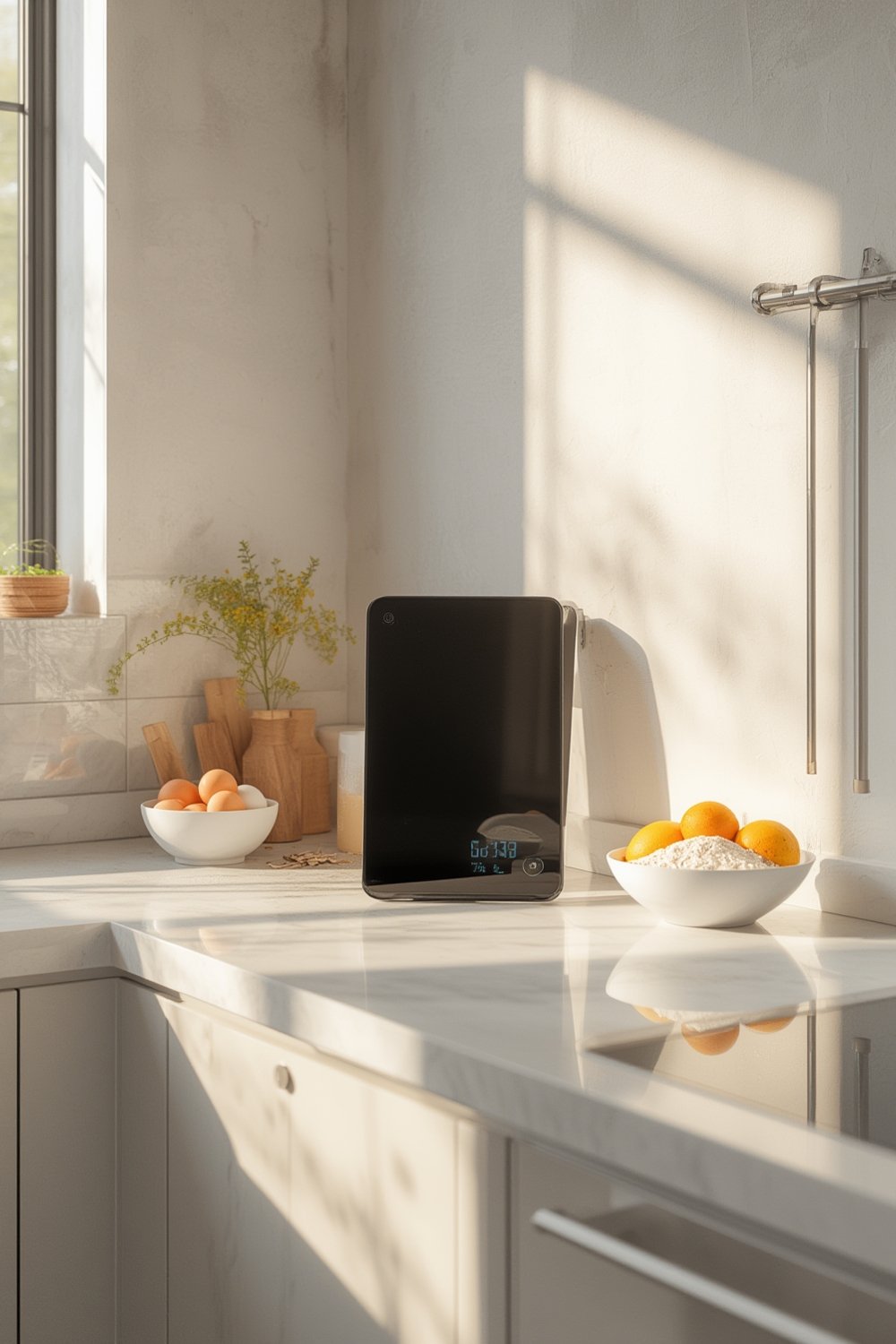
Why does this matter? Because manually counting macros and weighing ingredients is tedious and often inaccurate. Smart kitchen scales do this for you, reducing food waste, enabling accurate portioning, and supporting healthy eating goals—whether you’re meal-prepping, managing allergies, or tracking every macro for fitness.
Device features have gotten smarter, too: expect ±1g accuracy (now an EU commercial kitchen standard), up to 10kg capacity, multi-unit conversions (grams, ounces), and built-in or app-powered nutritional databases. For those focused on precise dietary monitoring, modern smart kitchen scales are step-change upgrades over traditional kitchen scales or eyeballing portions.
If you’re looking for similar kitchen convenience, you might also like Portable Air Fryers for compact health cooking, or Automatic Espresso Machines for streamlined coffee routines.
How to Use a Smart Kitchen Scale for Macro & Nutrition Tracking
Getting accurate macro and calorie tracking using a smart kitchen scale is straightforward, but to truly get the benefits, it helps to follow a step-by-step process—from setup to integration with nutrition apps.
- Unbox and Power Up: Insert batteries (if required) or charge your smart kitchen scale. Most models use AAA batteries or built-in rechargeables.
- Connect to Your Smartphone/Tablet: Download the brand’s official app (or a compatible third-party app if supported—check before buying). Pair via Bluetooth or connect to WiFi by following on-screen prompts. This step is crucial for unlocking nutrition tracking features.
- Calibrate and Choose Units: Turn the scale on, ensure a level surface, and allow it to zero. Select your preferred measurement (grams, ounces, or pounds), as most smart scales offer multi-unit conversions.
- Place Food and Weigh: Add your bowl or plate, then use the “tare” function so only the food’s weight is displayed. Place the ingredient and let the scale stabilize. Some models vibrate or beep when ready.
- Track Macros and Calories: Use the app or on-device display to select the food type. Many scales have searchable databases or barcode scanning so you get immediate macro breakdowns (protein, fat, carbs, fiber, sodium, and total calories). The app tallies intake and can sync with tracking platforms.
- Save, Log, and Analyze: Log your meal or ingredients for later reference and pattern tracking. Many apps provide charts or integrate with diet programs, helping you spot trends or hit targets.
- Clean and Store Smartly: Wipe down the surface after use. Consider a foldable electric warming tray or compact smart scale design if kitchen space is tight.
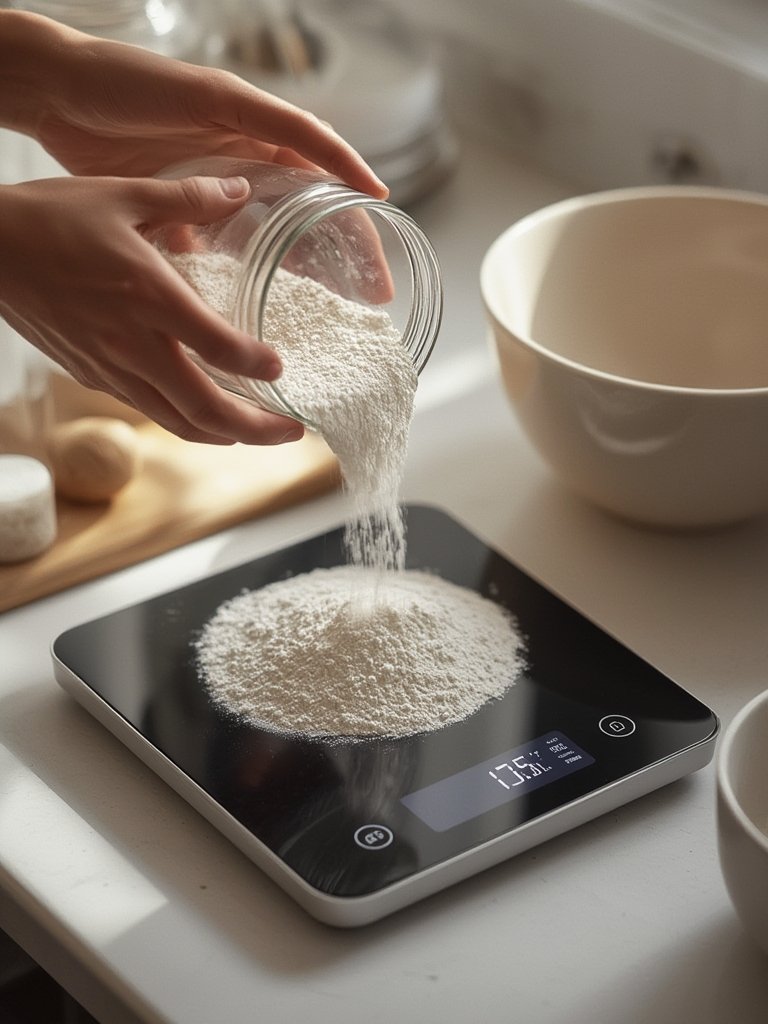
For deeper integration, look for macro tracking food scales that explicitly support third-party diet apps like MyFitnessPal—though, as of 2024, many popular brands fall short of seamless integration. If you’re after tailored diet, recipe scaling, or even features for intermittent fasting, review device specs or user forums before purchase.
Interested in other smart kitchen gadgets for better meal prep? Explore wireless vacuum sealers and smart induction cooktops for ways to streamline your healthy kitchen workflow.
Real-World Analysis: Pitfalls, Shortcomings and Technical Details
Not all smart kitchen scales are created equal. Despite market buzz, both research data and user forums highlight areas where “smart” doesn’t always mean better. Let’s break down the gaps and technical realities.
Technical Comparison Table
| Feature | Details | Example/Notes |
|---|---|---|
| Accuracy | ±1 gram precision | EU commercial standard; 40% adoption |
| Maximum Capacity | Up to 10kg on advanced models | CAMRY models with production growth |
| Sensor Type | Electronic/digital (57-60% market share) | Timers, alarms, memory features |
| Connectivity | Bluetooth/WiFi on “smart” models (25% of launches) | App support is not always robust |
| App/Nutrition Database | Macros/calories database included | Brand-specific—most lack deep integrations |
Shortcomings You Might Encounter:
- App Integration Weakness: Many smart kitchen scales promise app syncing, but the reality is that only a handful truly support popular nutrition apps like MyFitnessPal or HealthKit. Integration may be limited and lack real-time syncing, so double-check your needs before choosing a scale.
- Lack of Scientific Evidence: Despite claims of improved dietary precision, few independent studies compare smart kitchen scale tracking to manual methods. Current evidence for efficacy is largely anecdotal or based on technical accuracy reports, such as the widespread ±1g precision standard.
- Pricing Ambiguity: Research finds no definite price ranges published for macro tracking food scales. Higher-end models command more due to connectivity, storage, and accuracy, but retail prices are highly variable.
- Reliability and Security Gaps: Market reports don’t address WiFi/Bluetooth reliability or data privacy. If data privacy is a priority, request brand specifics—few brands offer robust data protection, and none currently provide full transparency on personal data practices.
- User Frustrations: No aggregated negative reviews are cited in industry data, yet online consumer feedback often points to inaccurate Bluetooth connections, dropped WiFi pairing, and lagging app updates—especially on non-iOS platforms.
- Missing Features in Competitors: Most competitor guides overlook foldable/compact smart scales, distinctions between commercial-grade and home models, and the importance of privacy-centric syncing or AI recipe suggestions when making purchase decisions.
If exploring multi-functional appliances for your kitchen, electric salt and pepper grinders and indoor smokeless grills also offer user-centric features, bridging convenience and smart home integration.
Conclusion
Smart kitchen scales are now a central tool for anyone serious about nutrition, fitness, or simply cooking more accurately at home. They bring the power of connected tech—tracking calories and macros at the press of a button, minimizing food waste, and making meal prep less error-prone. Yet, not all models are equally effective: integration gaps, price confusion, and vague privacy terms remain common. To get the most out of a Smart Kitchen Scale, check your app needs, review technical specs, and consider your price point before buying. Ready to take control of your nutrition? Compare top-rated smart scales today—and transform your daily cooking routines for good.
FAQ
What is the difference between a smart kitchen scale and a regular digital kitchen scale?
A smart kitchen scale offers Bluetooth or WiFi connectivity, macro and calorie tracking, and app integration, while a regular digital scale only measures weight.
Are smart kitchen scales accurate enough for precise baking or meal prep?
Most leading models meet the ±1g accuracy standard, making them suitable for baking, portion control, and commercial kitchen use.
Do smart kitchen scales work with popular apps like MyFitnessPal?
Some models attempt to integrate with diet tracking apps, but full compatibility and seamless syncing are still limited. Check device specifications before buying.
How secure are smart kitchen scales that use WiFi or Bluetooth?
Market reports mention connectivity but lack details on data encryption or privacy standards. If security is a concern, contact the manufacturer for specifics.
What features affect the price of macro tracking food scales?
Prices increase for models with nutritional databases, smart app support, higher max capacity (up to 10kg), and more precise sensors.
—