

### Blog Post:
Smart Electric Kettle technology is changing how coffee and tea lovers manage their morning routines, offering precision, convenience, and energy savings that basic kettles can’t match. If you care about perfect brew temperatures, energy efficiency, or effortless integration with your smart kitchen, you need to know what makes a smart electric kettle truly worth it—and what to avoid before you buy one.
Key Takeaways
- Smart electric kettles with temperature control are growing fast, driven by coffee and tea culture plus smart home adoption.
- Users value features like app control, precise presets, auto shut-off, and energy saving—but should beware of high prices and tech complexity.
- Modern models address key safety and energy concerns found in older kettles, offering tangible utility beyond regular boiling.
- What Is a Smart Electric Kettle and Why Should You Care?
- How to Choose and Use a Smart Electric Kettle
- Advanced Analysis and Common Pitfalls
- Conclusion
- FAQ
What Is a Smart Electric Kettle and Why Should You Care?
A smart electric kettle is an advanced kitchen appliance built with digital controls, variable temperature presets, connectivity (like Wi-Fi or Bluetooth), and features such as keep-warm, timed start, and safety shut-off. Unlike a basic kettle, a smart electric kettle lets you set exact water temperatures for delicate teas, robust French press, or pour-over coffee—directly from your phone or via voice command. This means less guesswork, consistent flavor, and less wasted energy.
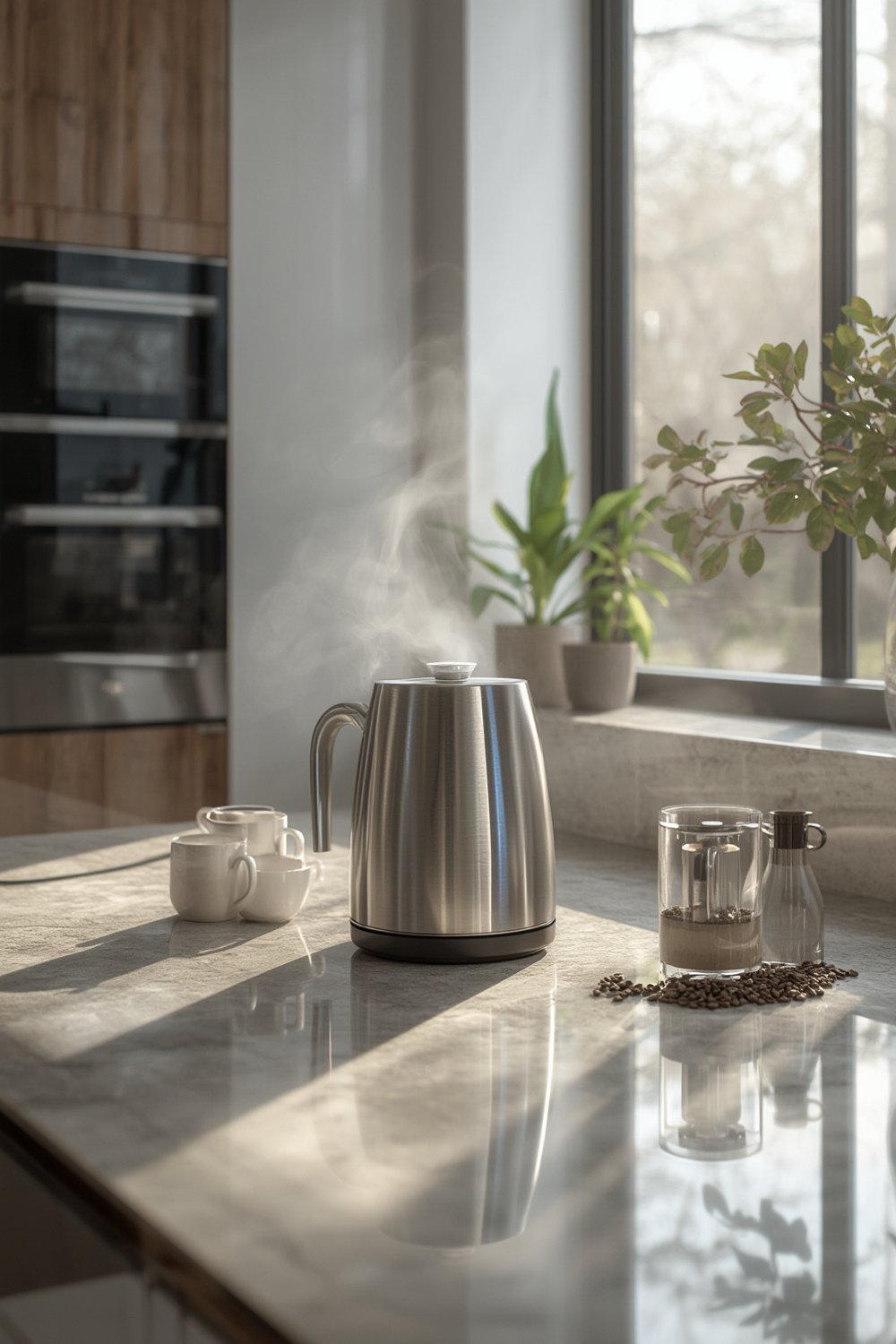
Market data shows the global smart kettle segment was worth about USD 678.03 million in 2024, with projections to quadruple in less than a decade (see source). Usage is especially high among coffee and tea enthusiasts who want more flavor control, or integrate everything into a smart home ecosystem for speed and efficiency. If you use a Smart Kitchen Scale for recipe accuracy, pairing it with a smart electric kettle is the next obvious upgrade for your brew game.
Top features that drive the market include variable temperature presets for different drinks, app integration (for remote start/timers), and safety features like auto shut-off and dry-boil protection. Environmental concerns also play a role: about 46 percent of users report lower electricity bills due to these smart, energy-saving features (source).
How to Choose and Use a Smart Electric Kettle
Ready to add a smart electric kettle to your kitchen? Here is exactly what you need to know to get the most from your investment, without falling for mainstream marketing hype.
-
Identify Your Must-Have Features:
- Check for variable temperature presets if you alternate between coffee and sensitive teas (look for at least 4–5 presets).
- If you use a smart assistant (Google Alexa/Apple), choose a WiFi-enabled kettle with direct app and voice integration.
- Look for a keep-warm function (20–60 minutes) and auto shut-off for energy savings and fire-safety.
-
Compare Form Factors:
- gooseneck kettles give you pour control for pour-over or precise tea brewing.
- Standard spout kettles are best if you mostly want quick hot water for multiple uses (soup, oatmeal, etc).
-
Assess App Quality and Connectivity:
- Test the app’s reliability, user experience, and pairing with your phone or voice assistant.
- Does it support quick scheduling, notifications, or customization?
-
Cross-Check Energy Saving Features:
- Auto shut-off and adaptive heating reduce electric bill impact.
- Look for eco modes and “rapid boil” options for faster cycles without waste.
-
Budget Realistically for All Costs:
- Expect prices from $60 for a basic smart kettle up to $200+ for WiFi/gooseneck/premium brands. Warranty length may range 12–36 months.
- Factor in possible repair costs or complexity if choosing a high-tech device (many users report repair centers are limited).
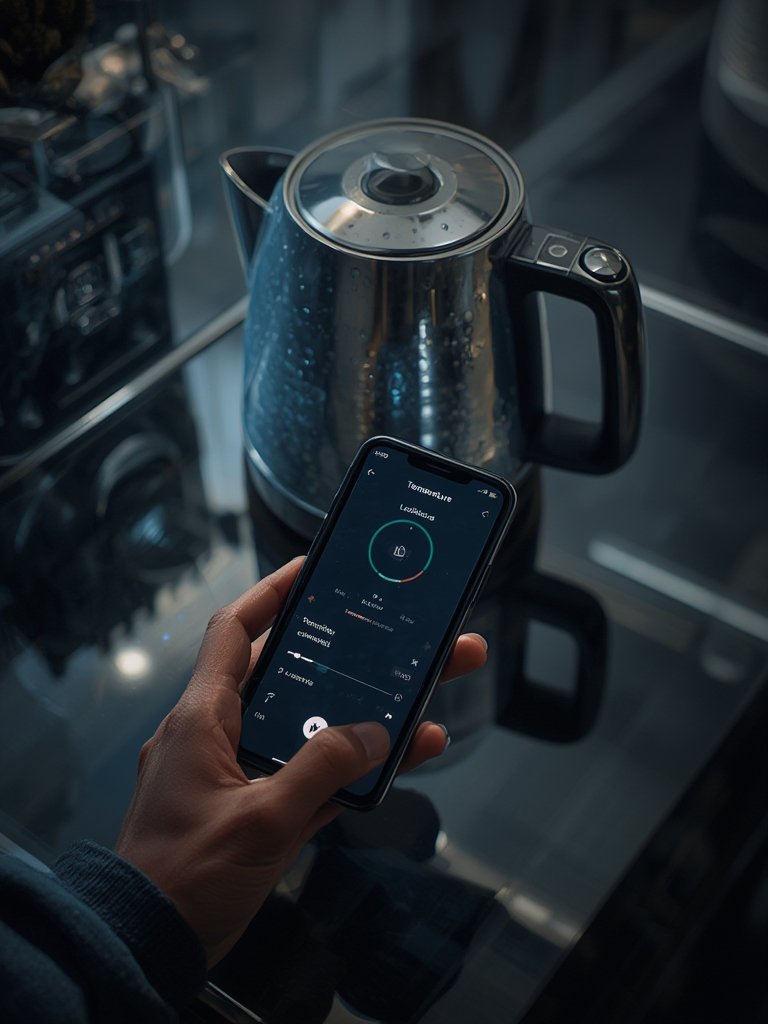
For best results, integrate your smart kettle into a holistic appliance setup. Try pairing it with an Automatic Espresso Machine for café-level results, a Nugget Ice Maker for chilled drinks, or a Electric Salt and Pepper Grinder to finish beverages and meals with fresh spice.
Advanced Analysis and Common Pitfalls
While smart electric kettles enable precise and effortless brewing, users regularly encounter issues that rarely surface in product marketing. Here’s what you need to realistically expect:
- Complex or Buggy App Controls: Even for premium gooseneck or Fellow Stagg alternatives, app interfaces and connectivity can be hit or miss—Bluetooth drops, WiFi desync, or buggy firmware updates are common complaints (see challenges).
- High Upfront Costs and Repairs: Expect to pay a premium for WiFi-enabled or gooseneck models, sometimes doubling the price versus analog kettles. long-term maintenance or repair centers aren’t as widespread as for traditional models.
- Limited Brand Transparency: Temperature accuracy comparisons and warranty terms are often unclear. Few brands publish third-party test results on temperature hold or energy use. This can make selecting a genuinely precision-focused model challenging.
- Saturation and Feature Fatigue: The market is crowded—some units add touchscreen controls or extra presets but fail on reliability or build quality. Don’t mistake feature bloat for actual brewing improvements.
| Feature | Benefit | Real-World Issue |
|---|---|---|
| WiFi/App Integration | Remote scheduling, voice control | Connectivity bugs, limited updates |
| Temperature Presets | Better coffee/tea extraction, less bitterness | Unclear accuracy; broken sensors in cheaper units |
| Auto Shut-Off/Eco Modes | Safety, lower energy costs | Occasional false triggers, unit won’t stay warm long enough |
| Gooseneck Design | Precise manual pour control for specialty coffee | Higher price, harder to clean, repairs costly |
Modern models outperform older kettles mainly on safety and efficiency. Features like adaptive heating, auto shut-off, and certified construction reduce risk of burns and fires. According to market research, about 46 percent of owners report measurable electric bill drops. Still, expect some learning curve—especially if you use multiple smart appliances, like a Portable Air Fryer or Electric Warming Tray, all vying for app attention.

Conclusion
Smart electric kettles bring precision, comfort, and a touch of luxury to boiling water, especially if you’re serious about coffee, loose-leaf teas, or smart home routines. While there are risks—like tech complexity and potentially high costs—the best models deliver consistent temperature, real energy savings, and peace of mind. If you’re ready to upgrade, look for honest reviews, robust warranties, and only invest in features you’ll actually use. The right Smart Electric Kettle may just be the most valuable appliance on your countertop.
Ready to level up your brewing experience? Research today’s models, compare features, and make every drink taste like a barista’s best. See how it fits into your kitchen alongside a Smart Coffee Maker or a Smart Induction Cooktop.
FAQ
Do Smart Electric Kettles save energy?
Yes. About 46 percent of users report lower electricity bills due to auto shut-off, adaptive heating, and efficient insulation. These savings are especially noticeable in households that boil water multiple times daily.
How accurate are the temperature controls?
Most quality smart kettles are precise within a 1-3°F range, but some cheaper models may have less reliable sensors. Always check for third-party accuracy tests or official certifications when shopping.
Is WiFi or app control really useful?
App and WiFi integration are most valuable if you enjoy scheduling boils, remote operation, or smart home routines. If you don’t use connected home tech, these features may not justify a higher price.
Are gooseneck smart kettles worth it for tea?
Gooseneck models give you better pouring control, which is essential for pour-over coffee and helpful for some delicate teas. If you mainly brew bagged teas or use your kettle for multi-purpose boiling, a standard spout may be more practical.
What should I expect to pay for a good smart kettle?
Prices typically range from $60 for entry-level variable temperature models up to $200+ for premium WiFi-enabled or gooseneck options. Longer warranties often indicate higher overall durability and support.