

### Blog Post:
Nut Milk Maker machines are transforming how we make plant-based milk at home, offering an alternative to both dairy and store-bought plant-based beverages. As interest in clean-label drinks and cost savings grows, understanding these devices—their benefits, limitations, and best practices—will help you decide if a nut milk maker belongs in your kitchen.
Key Takeaways
- The nut milk maker market is expanding, driven by health, cost, and sustainability trends while store-bought plant milk sales decline.
- Home nut milk makers reduce packaging waste and may offer long-term savings, but upfront costs and cleaning can be challenges.
- Few machines or brands offer transparent specs or safety details, so buyers should research carefully before making a purchase.
- What Is a Nut Milk Maker and Why Use One?
- How to Make Nut and Plant-Based Milk at Home (Step-by-Step Guide)
- Advanced Analysis & Common Pitfalls: Real-World Experience with Nut Milk Makers
- Conclusion
- Frequently Asked Questions
What Is a Nut Milk Maker and Why Use One?
A nut milk maker is a small kitchen appliance specifically designed to blend, heat, and strain nuts and grains into milk alternatives like almond, oat, or cashew milk. Unlike conventional blenders, these machines typically automate the process, helping you avoid additives, reduce packaging, and control what goes into your beverage. Market research shows that in 2024, the nut milk maker market reached USD 0.36 billion in global value—with annual growth expected through 2033. This is in stark contrast to declining store-bought plant milk sales and rising dairy prices according to industry data.
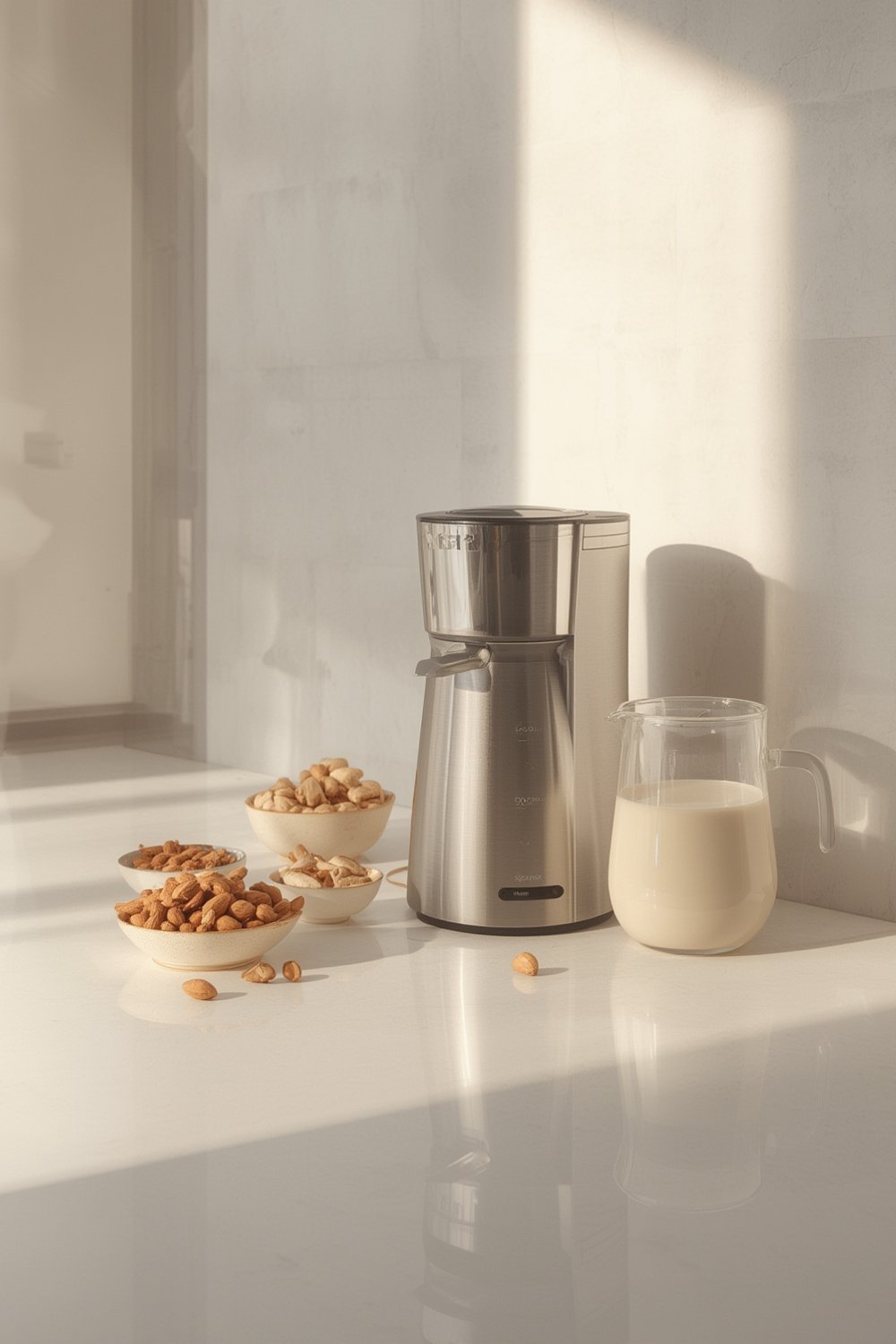
People choose nut milk makers for several reasons: dietary restrictions (lactose-free, vegan), concerns about additives in commercial products, rising costs of pre-made milks, and the desire to experiment with flavors beyond almond and oat. Many users also value sustainability by minimizing single-use packaging.
Nut milk maker machines join the ranks of modern kitchen appliances designed for convenience and customization. If you already use gadgets like a Portable Air Fryer, Nugget Ice Maker, or a Smart Kitchen Scale, a nut milk maker complements your set-up by adding dairy-free milk creation to your home culinary toolkit.
How to Make Nut and Plant-Based Milk at Home (Step-by-Step Guide)
Getting started with a nut milk maker is straightforward, but a few tricks yield better results and longer-lasting machines. Here’s a proven workflow to help you avoid common mistakes—and get richer, creamier milk.
1. Assemble Ingredients and Equipment
- Raw nuts (almonds, cashews, hazelnuts) or grains (oats, rice, soybeans)
- Filtered water
- Your nut milk maker
- Optional: flavors (cocoa, vanilla, cinnamon, dates, sweeteners)
2. Soak and Prep
- Soak your chosen nuts or grains in water. For almonds and cashews: 6-12 hours. For oats: 15-30 minutes.
- Rinse thoroughly to remove enzyme inhibitors and potential bitterness.
3. Load and Start the Machine
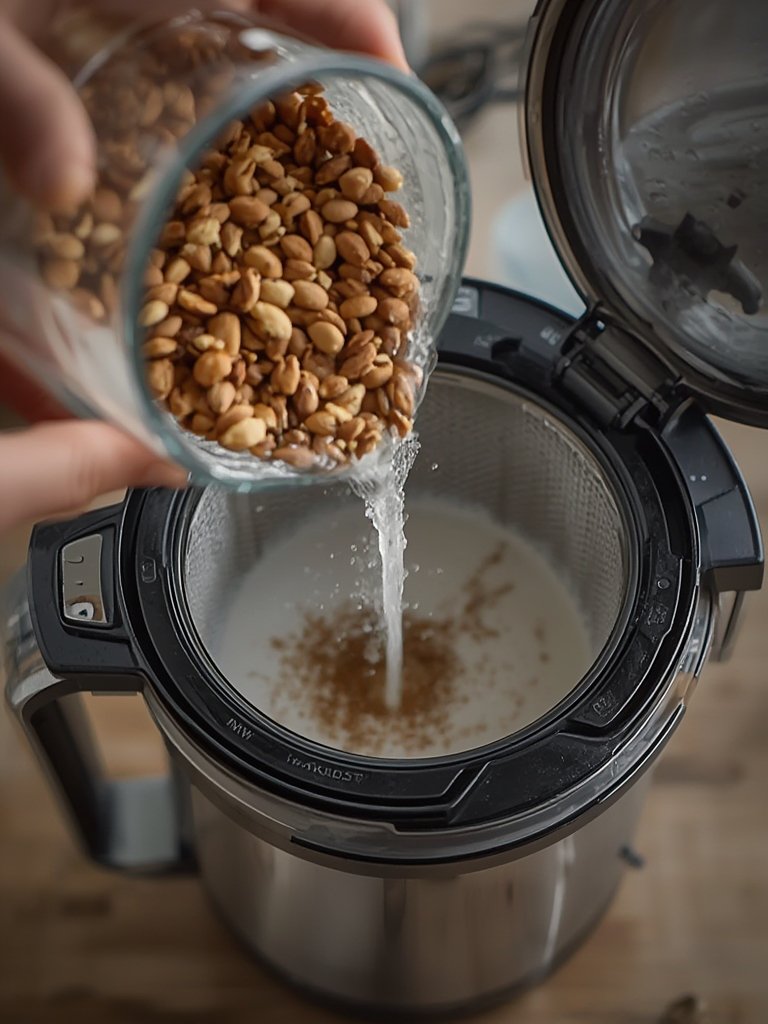
- Add soaked nuts/grains and water to the milk maker.
- Follow the manufacturer’s volume guides. Standard ratios: 1 cup nuts to 3-4 cups water.
- Add any flavorings or sweeteners here if your machine allows.
- Secure the lid and select the “nut milk,” “soy milk,” or appropriate cycle. These typically run 5-20 minutes.
4. Strain and Store
- When done, strain milk through the built-in filter. For extra-smooth texture, pass it through a nut milk bag or ultra-fine strainer.
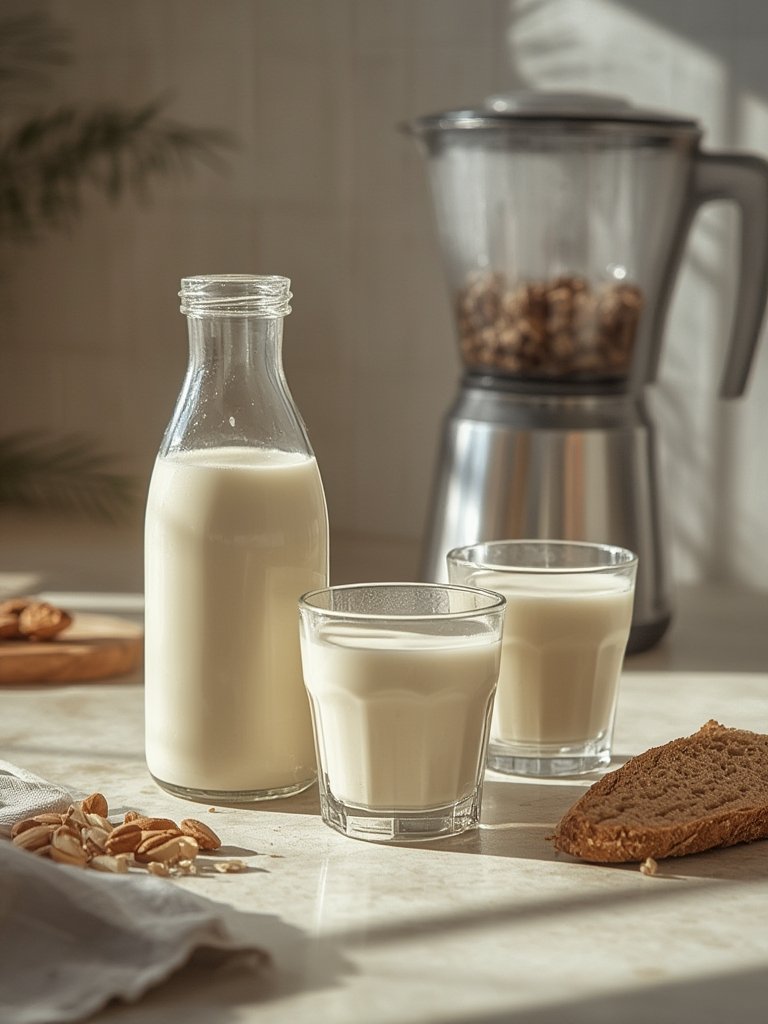
- Store in a glass jar or bottle in the refrigerator for up to 3-5 days. Shake before each use.
5. Clean the Machine Immediately
- Disassemble removable parts and wash right away. This avoids residue hardening, which can be difficult to scrub.
- Check for dishwasher-safe components, but avoid immersing electrical parts in water.
While each model (Arcmaster, Nutr, Almond Cow) will have its own quirks, this workflow delivers reliable results. For creative expansion, many users develop their own plant-based recipes, sometimes incorporating quinoa, hemp, or even pistachios. Explore brand online communities or recipes for inspiration—though, according to market reports, brand-provided recipes are rare.
Thinking of maximizing your kitchen’s efficiency? Pair your nut milk maker with a Electric Salt and Pepper Grinder or Smokeless Indoor Grill for more creative, healthy meal options.
Advanced Analysis & Common Pitfalls: Real-World Experience with Nut Milk Makers
Although nut milk makers offer undeniable benefits, they are not a perfect fit for everyone. Here’s what market analysis and early adopters have revealed:
- Uncertain upfront costs and hidden expenses: While long-term savings are cited as a benefit, few brands reveal the initial cost or required maintenance before purchase. Replacement parts and filters can add to total ownership cost.
- Cumbersome cleaning: Many negative reviews (from anecdotal sources) point to difficult-to-clean filters, sticky pulp residue, and awkward machine design. If cleaning isn’t immediate, residue can harden.
- Lack of transparent performance specs: Unlike other appliances, most nut milk makers (including leading brands like Arcmaster, Nutr, and Almond Cow) don’t fully disclose noise levels, cycle times, or even maximum batch capacity. This makes cross-brand comparison a challenge.
- Texture and taste inconsistencies: The final product can vary based on nut type, quantity, and water ratio. Some machines do not blend as finely as a high-powered blender.
- No safety or health data: Market reports confirm that few brands disclose details about BPA-free materials, hypoallergenic materials, or safety certifications.
- Missed subtopics in competitor coverage: Most high-ranking sites gloss over maintenance expenses, lack of safety certification transparency, and creative recipe limitations—missing the full buyer’s picture.
| Brand/Model | Capacity | Cycle Time | Noise Level | Other Specs |
|---|---|---|---|---|
| (No data available across sources) | ||||
This lack of transparent comparative data contrasts with more established kitchen appliances, like the Electric Warming Tray or Automatic Espresso Machine, where spec sheets are usually clear.
For most buyers, the economic case is still strong. Home nut milk makers:
- Eliminate single-use cartons and plastic bottles, reducing waste.
- Let you fine-tune flavor and milk thickness (which store-bought milks can’t).
- May, over time, save money—especially for frequent nut milk drinkers—though no hard figures are currently disclosed by brands or research reports.
Conclusion
Nut milk makers deliver real control, freshness, and customization compared to packaged dairy or plant options. However, buyers should weigh unclear performance specs, potential cleaning drawbacks, and a lack of disclosed safety certifications before purchase. If you’re willing to experiment and maintain your device properly, a Nut Milk Maker can empower you to craft better-for-you drinks on demand—and potentially cut costs over time.
Ready to transform how you enjoy non-dairy milk? Research different brands, ask for detailed specs, and consider pairing your machine with other smart kitchen tools like a Countertop Dishwasher or Rice Cooker & Steamer. Browse our appliance guides to create a more flexible, sustainable kitchen.
Frequently Asked Questions
How much money can using a nut milk maker save long term?
Exact savings depend on how much plant-based milk you drink and the cost of nuts in your area. Market research suggests that regular users may save money over time due to reduced packaging and bulk nut purchases, but no hard figures are available.
Are nut milk makers difficult to clean?
Some machines have awkward designs or fine mesh filters that can trap pulp, making cleaning challenging if not done right after use. Choosing a model with dishwasher-safe parts helps, but immediate manual cleaning is best.
Can I use seeds or grains instead of nuts?
Yes. Nut milk makers can handle most grains (like oats, rice, or quinoa) and seeds (like hemp or sunflower). Soak times and water ratios will differ based on the ingredient, and some experimentation may be needed for best results.
What safety or health certifications should I check for?
Look for BPA-free materials, food-grade stainless steel, and overheat protection. Unfortunately, few brands publicly disclose their safety standards, so contact the maker or search for independent reviews when possible.
What are the main downsides of switching to a nut milk maker?
Potential issues include higher upfront costs, slightly more hands-on work than buying cartons, texture inconsistencies, and sometimes difficult cleaning requirements. No device is maintenance-free, so factor in the time and attention required.
—