

Mini Bag Sealer is the kitchen gadget trending for anyone tired of stale snacks or wasting food due to half-sealed bags. In 2024, portable heat sealers are exploding in popularity, especially among budget-conscious buyers who want quicker, neater kitchen storage. If you’ve considered those TikTok-famous handheld bag resealers but aren’t sure if they work or what to look for—here’s everything you need to know, backed by real user data and realistic pros and cons.
Key Takeaways
- Mini bag sealers promise affordable food preservation but durability and consistent performance vary widely by brand and price.
- Most sub-$30 models are easy to use, portable, and work well for snacks, but often lack robust safety certifications and may not outlast pricier options.
- Key specs to watch: rechargeable power, compatibility with bag materials, and ease of sealing—avoid models with locking or sealing complaints.
- What Is a Mini Bag Sealer and Why Do People Buy Them?
- How to Use a Mini Bag Sealer: Step-by-Step Guide
- Advanced Analysis and Common Pitfalls
- Conclusion
- FAQ
What Is a Mini Bag Sealer and Why Do People Buy Them?
A mini bag sealer is a handheld device designed to quickly reseal opened plastic packaging, such as snack bags, cereal pouches, or freezer bags. Unlike traditional clips or twist ties, these portable gadgets use heat or vacuum technology to re-melt or suction the bag shut—creating a new, tighter seal meant to keep food fresher for longer. The pitch: less food waste, fewer plastic bags, and snacks that stay crisp.
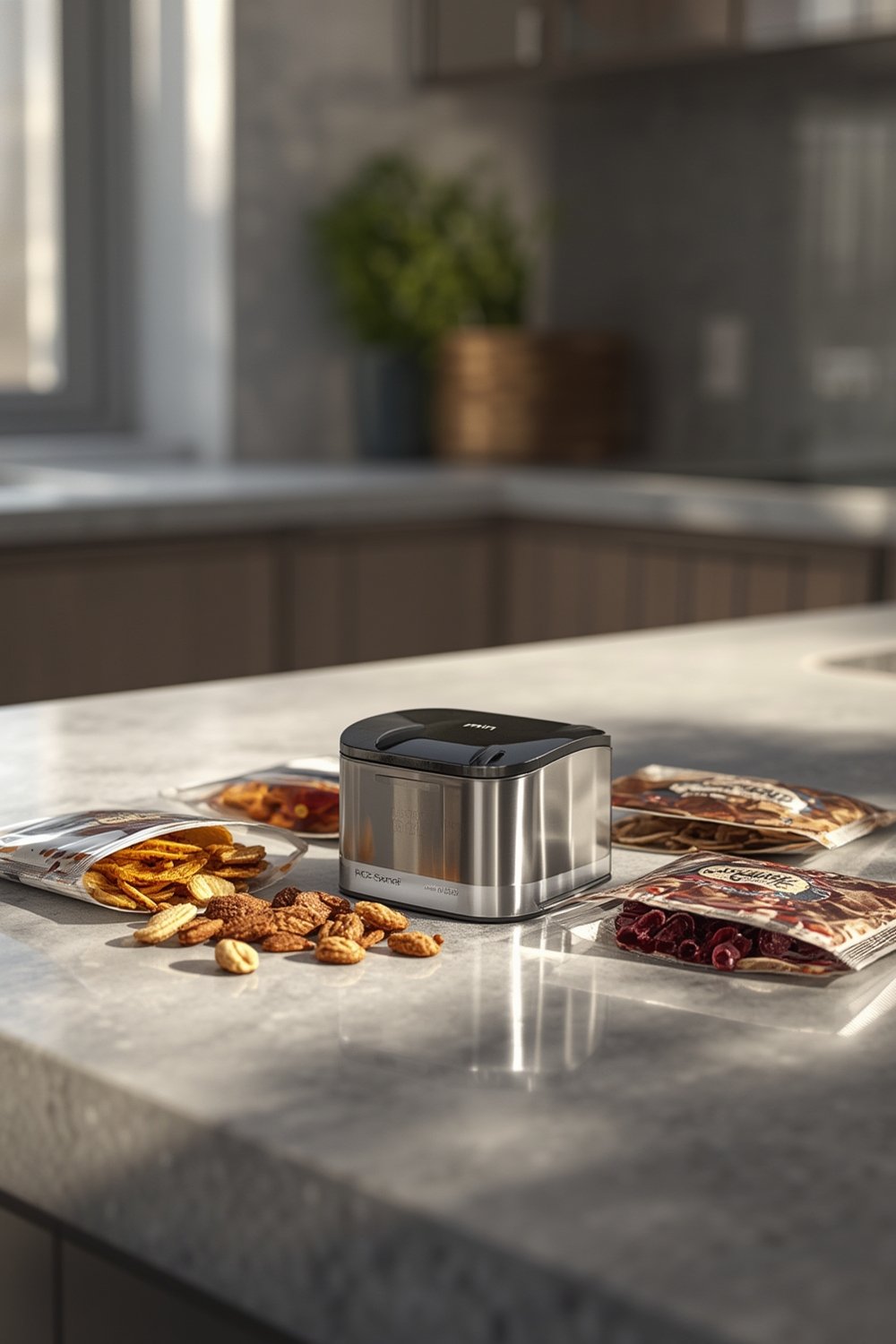
Mini bag sealers work either by applying a strip of heat (for basic models) or vacuum models vacuuming air before sealing (for higher-end types). Their popularity is driven by affordability (many cost $10–$30 on sale), compact size for small kitchens or travel, and the viral appeal of solving a daily annoyance in one simple step. According to Target and Walmart shopping trends in 2024, budget mini bag sealers are top sellers for snack preservation—underscoring their practical, problem-solving design.
For another trending portable kitchen solution, check out our guide to the Portable Air Fryer, ideal for compact cooking needs.
How to Use a Mini Bag Sealer: Step-by-Step Guide
Using a mini bag sealer is simple, but there are tricks for a tight, reliable seal:
- Start with Clean, Flat Edges: Make sure the bag edge is dry and free of wrinkles or chips. For snacks, fold any excess bag length under for smoother sealing.
- Power On and Heat Up: If using a rechargeable or plug-in model, switch it to active mode. Give it 5–10 seconds to reach full heat if required.
- Align and Seal: Place the open bag edge between the heating jaws or against the sealing strip. Squeeze gently and slide the device along the bag’s edge at a slow, steady pace (typically 1–2 centimeters per second). For vacuum models, initiate the suction first, then run the heat for final closure.
- Cool Before Handling: Let the new seal cool for 3–5 seconds before tugging. For thick or double-layer bags, make two passes.
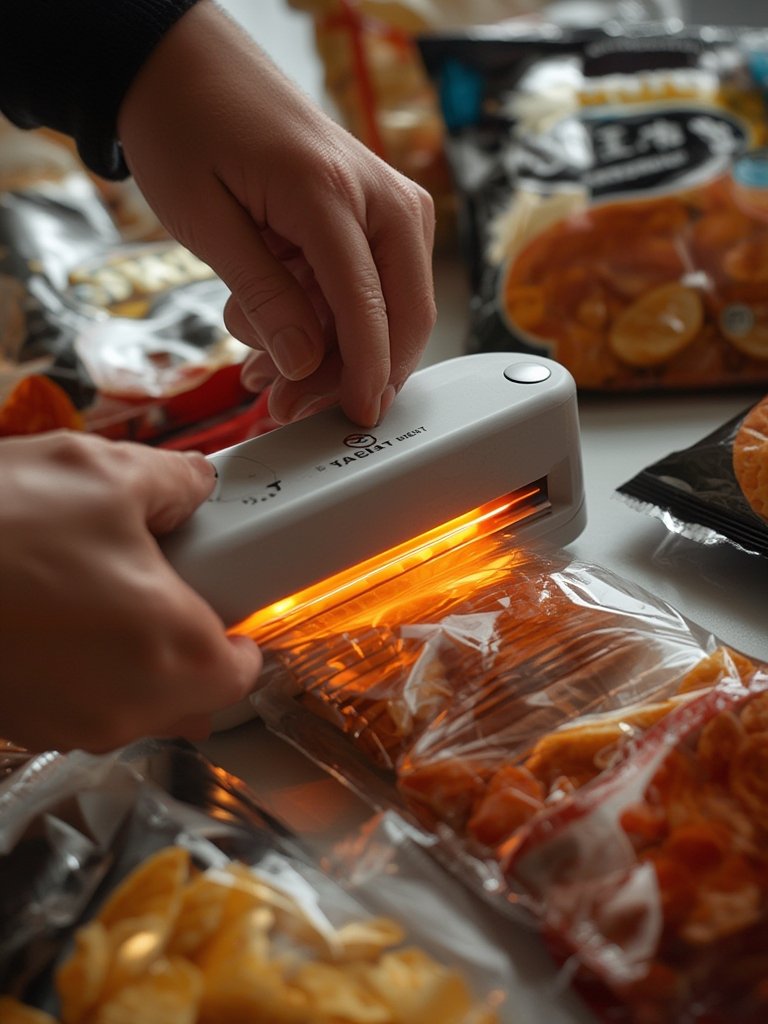
Most mini bag sealers are compatible with plastic snack bags, some thicker freezer bags, and light craft packaging. Avoid using them on paper-based or heat-sensitive wrappers. Always unplug (or turn off) after use to preserve battery.
If you’re exploring tools to keep your kitchen efficient, see our Countertop Dishwasher review for more gadget solutions.
Advanced Analysis and Common Pitfalls
While mini bag sealers solve real problems, they aren’t a cure-all. Here are the key issues and competitive differences buyers need to know before clicking “buy.”
Durability Concerns for Budget Models
According to product listings at Target and buyer’s guides on YouTube, low-cost models (under $20)
- Tend to show sealing or locking issues after a few months.
- Fragile hinges and inconsistent power output are the most common complaints.
- No robust long-term testing on sub-$20 options, so low star ratings (like the 1/5 rating for Maison Portable Mini) often signal these weaknesses.
Sealing Effectiveness: Does It Actually Work?
Even among well-rated heat and vacuum models, users report spotty performance on certain bags. Thin snack bags usually seal well, but thicker or textured materials can result in “leaky” or partial closures. Models like Neeyer get high marks on vacuum sealing grains and meats, but some buyers notice weaker results without two passes.
Usability and Portability Pitfalls
Not all “portable” sealers are truly portable. Plug-in models (like Eliamo) are lightweight but require a wall outlet, which limits travel use. Devices with tricky locking mechanisms, such as SUNALETTA, may frustrate users who want quick results—some reviews note a “hard click” is needed to operate or release the device.
Comparison: Leading Brands vs. Budget Alternatives
| Brand Type | Examples | Price Range (Sale/Reg.) | Avg. Rating (Reviews) |
|---|---|---|---|
| Leading (e.g., FoodSaver) | VS2120, Everyday | $99.99–$240.99 ($169.99–$259.99) | 4.3–4.8 stars (50–493) |
| Lesser-Known (e.g., Maison, Bonsenkitchen) | Portable Mini, Multi-Functional | $12.99–$62.99 ($19.99–$199.99) | 1–5 stars (1–19) |
Specs to Watch: What Actually Matters?
- Power Source: Rechargeable models (like HSLGOVE, SUNALETTA, Romsto) offer more true portability than plug-ins.
- Sealing Type: Heat is standard for under-$30 units; vacuum sealing is pricier but better for bulk-food storage.
- Compatibility: Look for notes about thick bag sealing—many models ONLY work on thin snack bags, not freezer or sous vide pouches.
- Width: Not always listed, but wider jaws (over 6–8 inches) are better for home meal prep. See this demo for real-life success and failures on various materials.
Safety Risks and Certifications
Most sub-$30 mini bag sealers have no visible UL or ETL safety certification, and very few mention overheat or battery safety features. Only top brands like FoodSaver offer warranties or BPA-free labeling. For kitchen safety, seek out:
- UL/ETL certification on plug-in models
- Overheat auto-shutoff and child-locks
- BPA-free plastic for contact with food bags
For broader food safety, check out modern cleaning tech like the Electric Veggie Purifier or Ice Cream Maker Machine for safe food handling at home.
Conclusion
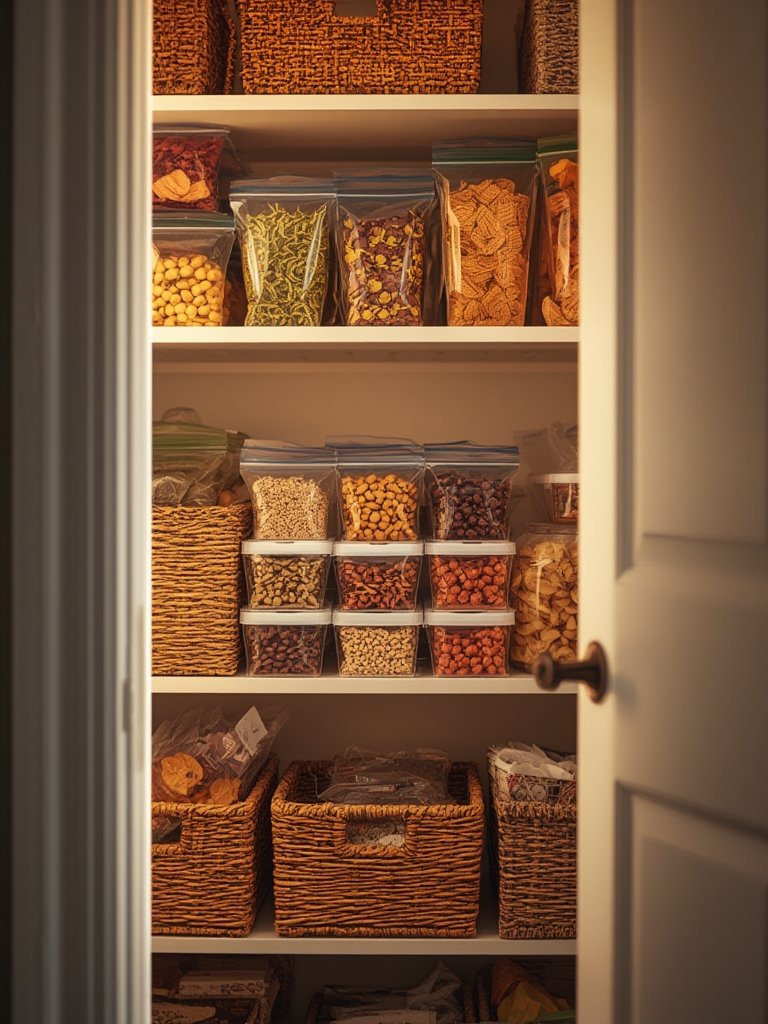
Mini bag sealers are an affordable way to extend the life of snacks and leftovers, and are especially appealing for shoppers on a budget or with limited kitchen space. In real-world use, most sealers do a good job when used as intended, but don’t expect flawless results on thick, wet, or oddly-shaped bags—especially with ultra-cheap models. Always weigh ease of use, durability, compatibility, and safety, and remember: spending a little more can mean fewer headaches.
Ready to save money and reduce food waste? Explore current deals and user reviews at Target or Walmart, or browse our pick of the best Wireless Vacuum Sealer alternatives. For true freshness, the right Mini Bag Sealer could be your new favorite kitchen hack—just pick wisely.
FAQ
How long will a mini bag sealer keep food fresh compared to clips or resealable bags?
No specific timeline exists, but manufacturers claim 3–5 times longer freshness due to airtight re-sealing. Real-world reviews say snacks last much longer than with clips, though thick foods and some bag types may still lose crispness without vacuum sealing.
What bags are compatible with mini bag sealers?
Most work with standard snack, chip, and sandwich bags. Some handle thicker freezer or sous vide bags, but always check the specs—heat or sealing power might be too weak for heavy-duty plastics.
Is there a safety risk with cheap mini bag sealers?
Sub-$30 models rarely list UL/ETL certification or robust safety features. While daily use is generally safe, always unplug or switch off after use, and never leave within reach of children. Seek BPA-free plastics and warranty coverage for peace of mind.
What are common complaints about mini bag sealers?
Most user complaints are about inconsistent sealing (especially on thick bags), fragile locks or hinges, heat time, and lack of true portability in plug-in models. Also, low star ratings often relate to short device lifespan or difficulty sealing every bag type.
What other compact kitchen gadgets pair well with a mini bag sealer?
If you like optimizing your kitchen, check out reviews of the Electric Salt and Pepper Grinder, Smart Kitchen Scale, or Smokeless Indoor Grill for more trending, space-saving tools.