

Under-Counter Beverage Fridge installations are one of the most in-demand upgrades for luxury kitchens, offering dedicated space for drinks, precise temperature control, and a seamless look that enhances both everyday convenience and home entertaining.
Key Takeaways
- The luxury under-counter beverage fridge market is booming, driven by energy efficiency, compact storage, and premium aesthetics.
- Effective planning—around noise, smart features, and cabinet integration—is essential to avoid common pitfalls.
- Energy-efficient models and modern cooling tech now offer real advantages for eco-conscious homeowners seeking status and sustainability.
- What Is an Under-Counter Beverage Fridge and Why Are They So Popular?
- Step-by-Step Guide: Choosing and Installing a Luxury Under-Counter Beverage Fridge
- Advanced Analysis & Common Pitfalls (With Real-World Insights)
- Conclusion
- FAQ
What Is an Under-Counter Beverage Fridge and Why Are They So Popular?
An under-counter beverage fridge is a compact, built-in refrigerator—installed below kitchen counters or bar spaces—designed specifically for chilling drinks like wine, beer, and sodas in luxury residential environments. Unlike standard glass door coolers, these fridges are engineered for seamless kitchen integration, offering high-end finishes, advanced cooling technology, and smart storage for a clean, organized space.
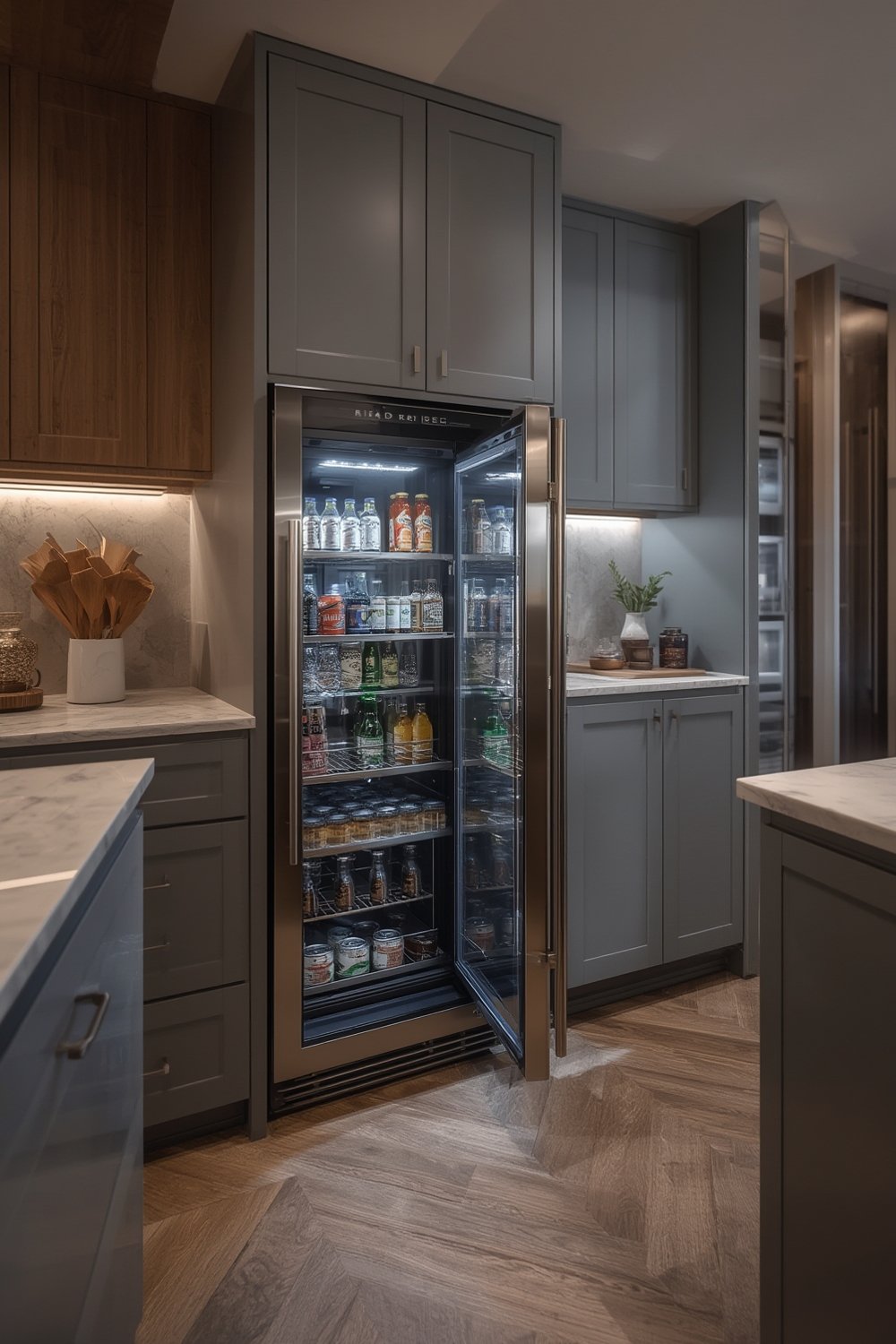
The demand for under-counter beverage fridges is soaring. Global market value reached USD 6.79 billion in 2024 and is on track for USD 11.81 billion by 2035. The luxury kitchen segment now leads major growth, with built-in units accounting for over 36% of the market. Homeowners are prioritizing beverage fridges for kitchen organization, home bars, and both coffee and cocktail station aesthetics—the trend amplified by social media platforms.
Another draw is technology. Modern under-counter beverage centers offer inverter compressors, precise temperature control, energy savings, and even IoT connectivity. As more consumers look to upgrade beyond traditional appliances, the right beverage fridge can be a statement piece that delivers daily functionality.
Step-by-Step Guide: Choosing and Installing a Luxury Under-Counter Beverage Fridge
Ready to add a mini drink cooler or built-in beverage center to your kitchen? Here’s a step-by-step process to maximize your investment—without costly mistakes or design regrets:
- Define Your Storage Needs. Decide on bottle/can capacity (e.g., 18-bottle, dual-zone, or combo beverage storage). Consider whether it’s for wines, sodas, craft beers, or a mix.
- Assess Installation Requirements. Measure your cabinet opening (width, depth, and height) and confirm you have proper ventilation. Built-in units require front venting—don’t try to ‘convert’ a freestanding model.
- Evaluate Essential Features. Look for precise temperature control—ideally with digital displays and adjustable zones. Advanced models include inverter compressors and low-GWP refrigerants for quiet, efficient performance. Some even offer IoT integration for remote monitoring via smart home systems.
- Check for Noise and Vibration Data. Research decibel ratings and compressor tech. Under-counter fridges with inverter compressors are typically quieter—a must for open-concept kitchens or rooms near bedrooms.
- Plan Your Electrical & Cabinetry Work. Most high-end beverage fridges need a standard 120V outlet and may benefit from a dedicated circuit. Custom panel-ready designs blend seamlessly but require professional cabinet modifications.
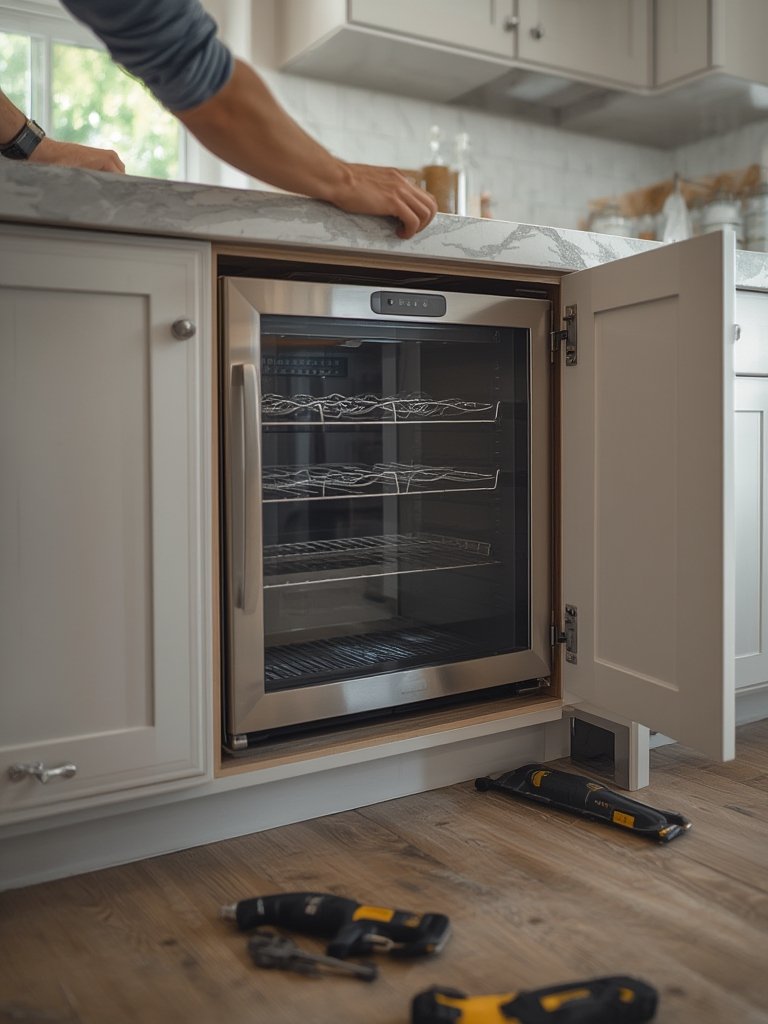
- Install and Level. Follow manufacturer instructions exactly and use a spirit level so the door seals fully and the compressor runs efficiently. Many luxury models feature adjustable feet for fine-tuning the fit.
- Monitor for Issues Post-Install. Double-check for cool, consistent temperatures and check seals for gaps. If you notice frost-up or condensation, address ventilation or leveling immediately.
To complement your beverage center, consider other trending kitchen upgrades for maximum efficiency and style. For example, a Portable Air Fryer can add healthy cooking options, while a Nugget Ice Maker delivers the ideal ice for cocktails and soft drinks. Serious home entertainers may also want an Electric Salt and Pepper Grinder for convenient one-hand seasoning or a Smokeless Indoor Grill for mess-free barbecues inside the kitchen.
Advanced Analysis & Common Pitfalls (With Real-World Insights)
Even luxury under-counter beverage fridges come with trade-offs and possible headaches. Here’s a realistic look at the main pitfalls and how to avoid them:
| Feature or Challenge | Top Luxury Models | Standard Glass Door Coolers |
|---|---|---|
| Temperature Stability | Advanced digital or dual-zone control, tight range for wines/beer | Manual dial, large temperature swings, often one zone |
| Noise Level | Inverter compressors, quiet operation (often unlisted decibels) | Standard compressors, louder cycling noises |
| Smart Features | IoT/app integration, digital diagnostics, panel-ready | Simple light and power, no app/smart control |
| Cabinet Integration | True built-in, flush fit, custom trims | Freestanding, gaps, visible venting |
| Energy Efficiency | Low-GWP refrigerants, certified energy-saving models | Older refrigerants, higher energy use |
| Cost/Installation | Higher up front, requires cabinetry or electrician | Lower purchase, may not fit seamlessly |
- Noise Control Gaps: Many manufacturers don’t publish decibel levels, yet noise complaints are common—especially with older compressor designs. Inverter-driven luxury models can be much quieter, but always request specs if silence is critical.
- Smart Home Integration: Despite advances, few beverage centers easily connect to mainstream smart home ecosystems. Features like app temp alerts or remote temperature monitoring may appear only on select flagship models, so verify compatibility—not just “smart” branding.
- Installation Surprises: Common mistakes include improper venting (leading to compressor burnout or excess heat), poor leveling (causing doors not to seal), or electrical supply issues. Always factor in the real-world labor and material costs.
- Temperature Drift: Budget or off-brand models can see wide temperature swings, risking spoilage or fizz loss. Stick to proven brands with precise zone control, especially for wine or specialty drinks.
- Cost Transparency: Expect high-end under-counter beverage fridges to start at $700 and up, with custom panel or dual-zone builds easily exceeding $2,000—not including installation or cabinetry. Ongoing electric costs are usually modest (energy-efficient designs are widely available), but always check for Energy Star or equivalent regional certification.
Energy-efficient models are accelerating in sales, especially with inverter compressor and low-GWP refrigerant builds. Eco-conscious homeowners can rely on tight energy use metrics and greener materials, while also taking advantage of growing options for “panel-ready designs” seamless looks to match their kitchen upgrades.
For comparison, if hands-free cooking convenience is another aim in your kitchen, adding an Automatic Stirring Pot can automate soups and sauces as easily as your under-counter fridge manages beverages.
Conclusion
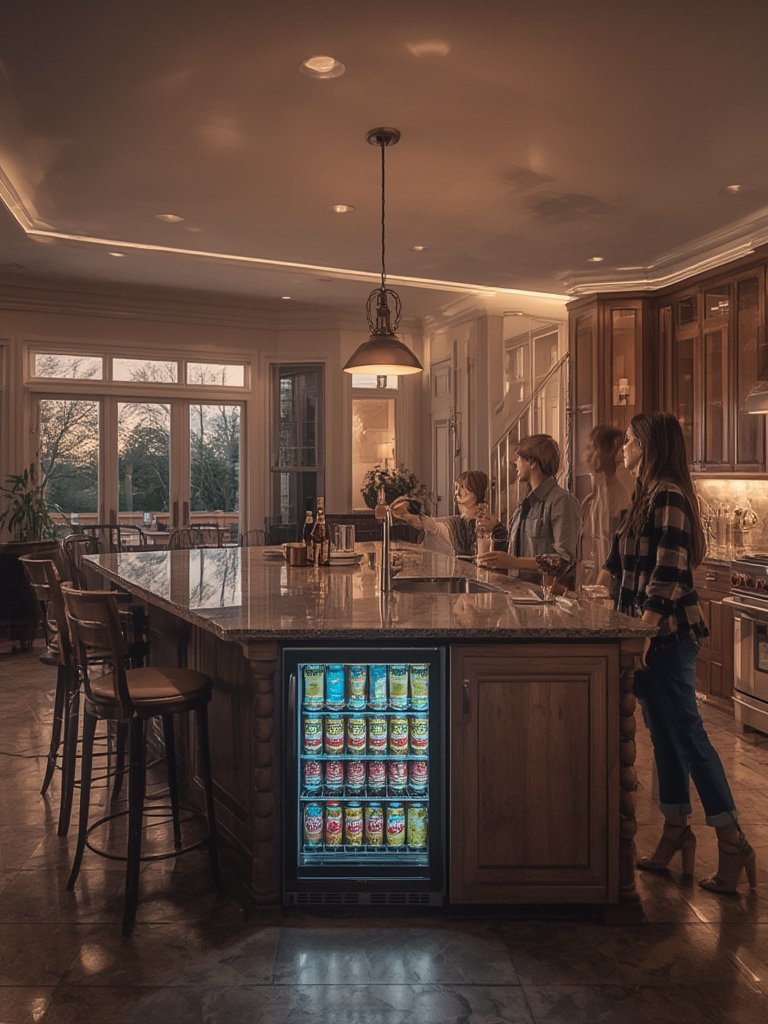
Luxury Under-Counter Beverage Fridge installations are a powerful way to turbocharge kitchen aesthetics, storage, and daily convenience—provided you’ve accounted for cabinet space, advanced features, and real-life pitfalls like noise or integration. The best models offer energy efficiency, modular size options, and quiet operation, delivering upgrades that align with both home design trends and eco-friendly living.
If you’re serious about a beverage center that impresses and lasts, review your space, demand transparent specs, and work with experienced installers. Ready to streamline your home bar or kitchen? Start comparing the top under-counter beverage fridge options today, or explore further enhancements like a Smart Kitchen Scale or Electric Warming Tray for the ultimate luxury kitchen experience.
FAQ
How is an under-counter beverage fridge different from a standard mini fridge?
Under-counter beverage fridges are designed specifically for seamless integration with kitchen cabinetry and have features like front ventilation, precise temperature control, and luxury finishes not found in basic mini fridges.
Is installation difficult for a built-in beverage center?
It requires careful measurement, professional cabinet modifications, and proper ventilation. While not DIY for most, many brands now offer modular designs to streamline installation in modern luxury kitchens.
What makes a luxury beverage fridge energy efficient?
Modern models feature inverter compressor technology and low-GWP refrigerants, and often meet certified appliance standards, reducing both power use and environmental impact compared to older fridges.
Do any beverage fridges support smart home technology?
Some flagship luxury models offer IoT integration, app controls, or remote temperature monitoring, but smart home compatibility varies widely. Check product details to confirm real-world integration—not just “smart” claims.
Can you use an under-counter beverage fridge for fresh food storage?
While technically possible, these fridges are optimized for drinks. For perishables, a dedicated under-counter refrigerator is a better choice since beverage fridges focus on rapid cooling within a narrower range.