

Electric Veggie Purifier devices promise a high-tech solution to the food safety worries that come with eating fresh produce. But do they really remove pesticides and bacteria more effectively than rinsing with water?
Key Takeaways
- Independent scientific proof on electric veggie purifiers’ effectiveness is lacking, with most evidence coming from manufacturer claims.
- Most users remain skeptical due to invisible results and a lack of standardized certifications for these devices.
- Long-term safety, true cost, and environmental impact are still unclear and rarely addressed by top-ranking competitor articles.
- What Is an Electric Veggie Purifier and Why Do People Buy One?
- How to Use an Electric Veggie Purifier: Step-by-Step
- Advanced Analysis: Problems & Pitfalls No One Tells You
- Conclusion
- FAQs: Electric Veggie Purifiers
What Is an Electric Veggie Purifier and Why Do People Buy One?
Electric Veggie Purifiers, also known as fruit and vegetable washers, are kitchen appliances designed to remove pesticides, bacteria, viruses, and wax from fresh produce. They use methods like ultrasonic waves, ozone, heat, or hydroxyl ion modules instead of relying on scrubbing or soaking in water. The main appeal is for health-conscious buyers who are worried about chemical and microbial contaminants on fruits and vegetables.
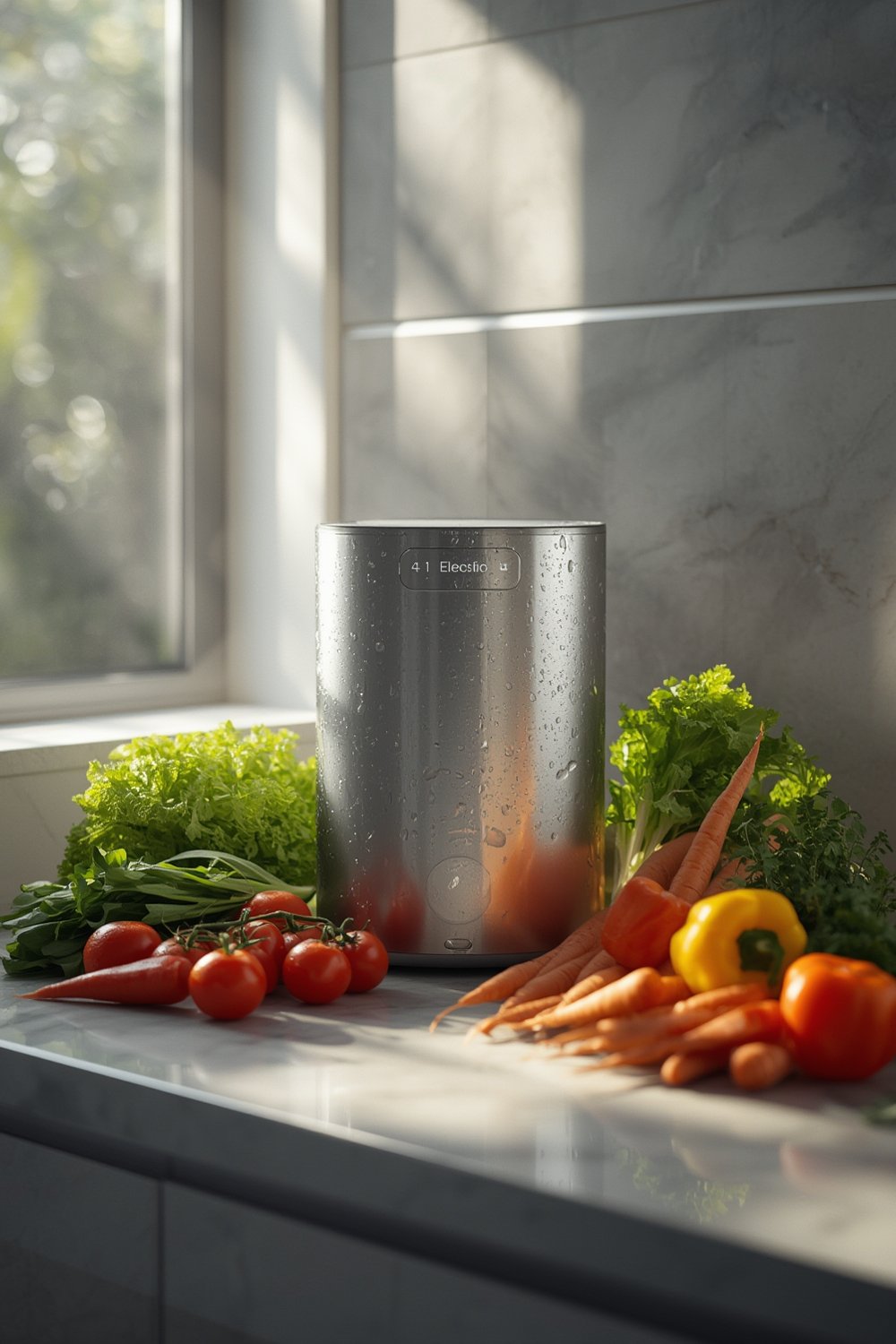
Recent launches, like the Xiaomi Mijia S1 and Bear Electric’s capsule wireless purifiers, use advanced tech and claim removal rates as high as 99.99%. These numbers come from manufacturers, not peer-reviewed studies, which fuels skepticism. According to a recent comparison by ConsumerLab, scientific studies directly testing these purifiers (2023-2024) remain sparse, so verified results are still pending.
The core idea is simple: if you can afford the upfront price, a veggie purifier adds another layer of cleaning—especially for those who don’t trust water alone. Many people also hope to preserve produce longer and reduce their risk of exposure to pesticide residues, which the Environmental Working Group reports are present in 75% of conventional fruit and vegetables. Yet, a lack of testing standards, certifications, or regulator endorsement means buying one is a leap of faith.
How to Use an Electric Veggie Purifier: Step-by-Step
Ready to try an electric veggie purifier in your kitchen? Here’s a streamlined workflow applicable to most models:
- Rinse your produce with water as you normally would. Remove dirt and visible debris first, as even purifiers work best on relatively clean surfaces.
- Prepare the purifier: Fill the bowl or sink according to the manufacturer’s specification, ensuring there is enough water to cover your fruits and vegetables.
- Insert your produce into the device’s cleaning chamber or tank. For wireless capsule models, simply submerge the device alongside your produce.
- Turn on the device and select the mode or cycle. This may include ozone, ultrasonic, or “hydroxyl radical” cleaning options. Standard cycles range from 5 to 15 minutes.
- Let the cycle run until complete. Do not overload the basket or tank, as crowded produce can result in uneven cleaning.
- Remove the items and rinse under running water if the instructions recommend it (especially for ozone models).
- Dry or prep your fruits and veggies as desired for storage or eating.
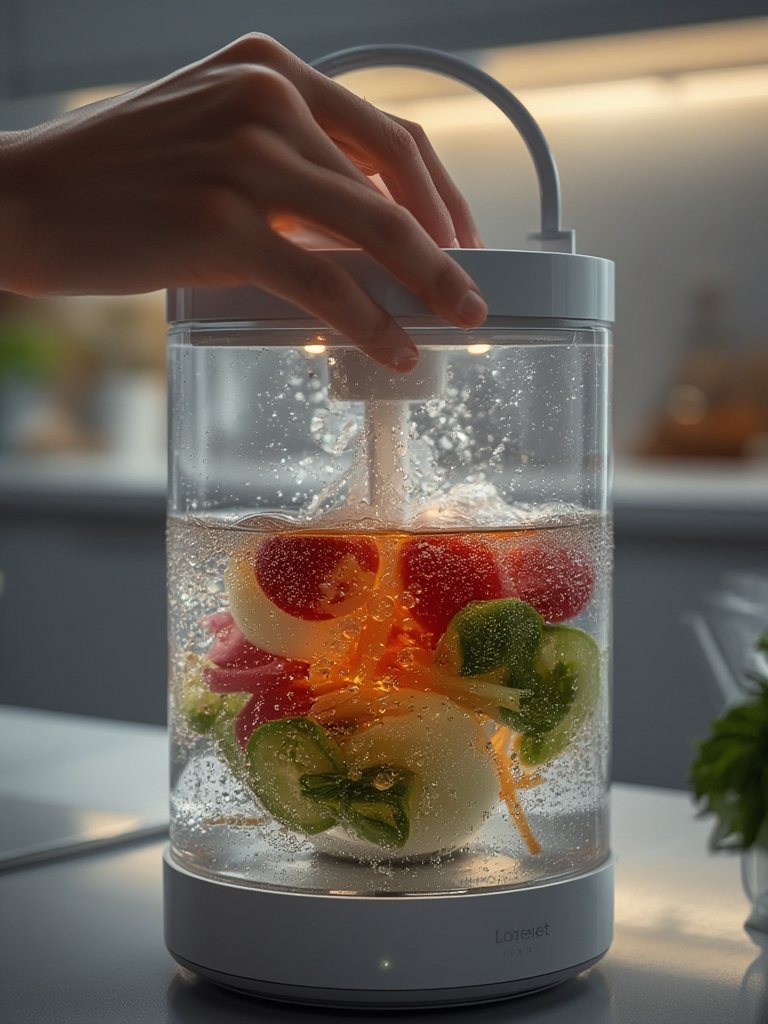
Most electric veggie purifiers are plug-and-play, though models differ in features. Always check if your device requires filter replacements, and keep an eye on cycle times. Clean and dry the unit regularly to prevent mold and odor buildup. If you are limited on countertop space, consider a compact or wireless model (similar to an air fryer for small kitchens).
If health tech interests you, these devices pair well with a smart kitchen scale for accurate meal tracking or a kitchen waste bin to handle peelings and food scraps sustainably.
Advanced Analysis: Problems & Pitfalls No One Tells You
Despite their clean marketing—and “99.99% bacteria removal” claims—electric veggie purifiers come with several caveats. Here’s a breakdown based on 2023-2024 research and consumer sentiment.
| Factor | Electric Veggie Purifier | Traditional Water Washing |
|---|---|---|
| Proven Efficacy | Unverified claims, no recent peer-reviewed proof [1] | Widely recommended by regulatory agencies; removes surface dirt but not all pesticides |
| Visible Results | Lack of visible difference vs. water alone, leads to skepticism | Some dirt and debris seen leaving produce |
| Upfront Cost | High; often premium pricing [2] | Minimal (just tap water) |
| Maintenance | May require filter replacements or cleaning; ongoing electricity use | None |
| Certifications | No consistent food safety or efficacy certification | Water is universally endorsed |
| Health & Safety (Long-Term) | No evidence of harm, but little data on ozone exposure or effects on nutrients [3] | No risks associated with normal washing |
| Environmental Impact | Electricity, possible plastic waste from filters; little data on life-cycle impact | Uses water only; no additional waste |
Other common pain points that surfaced in verified consumer reviews and market analyses:
- Users cannot see, smell, or measure “cleanliness”—creating skepticism and dissatisfaction.
- No standardized certification (like BPA-free materials or FDA approval) is generally listed, making it hard to compare brands on true safety.
- Longer cycle times for “deep clean” modes can be impractical, especially on busy days or with bulky produce hauls.
- Premium price tags mean the device competes with investing in a countertop dishwasher, indoor grill, or espresso machine for prime kitchen space and budget.
- No current peer-reviewed research proves that electric veggie purifiers reduce pesticide levels—some studies suggest traditional water rinsing is just as effective (see ConsumerLab’s summary).
- Long-term health effects (from ozone exposure or possible nutrient degradation) have not been studied or warned against by agencies like the FDA or EPA.
Conclusion
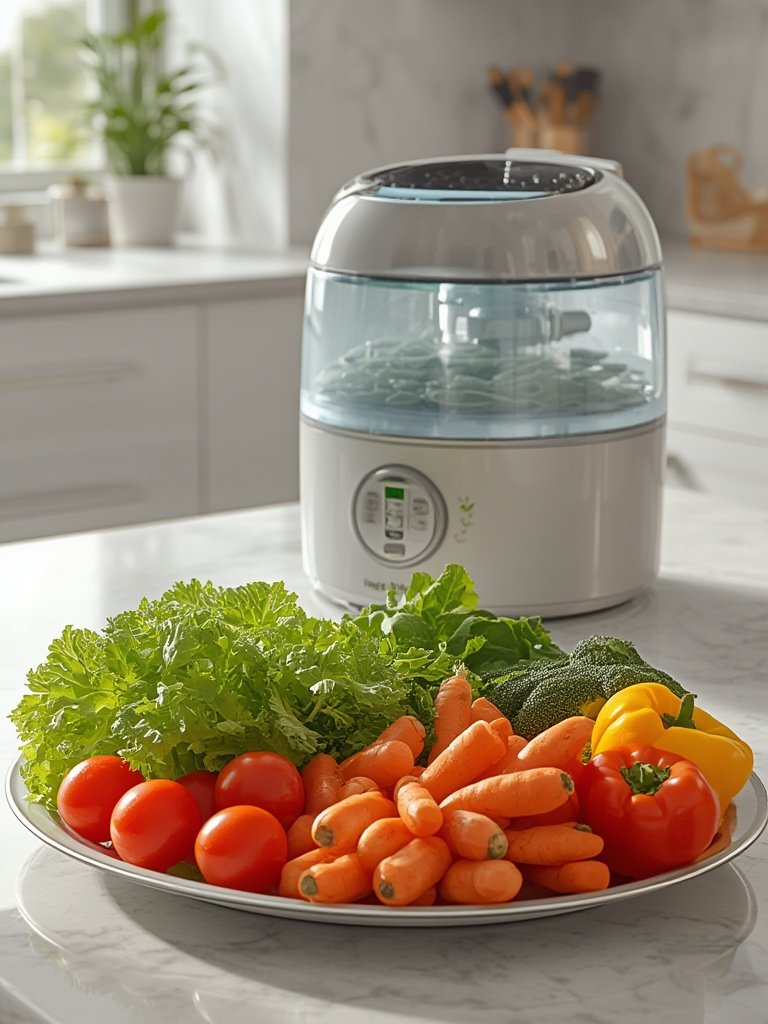
Electric veggie purifiers are attracting attention from health-conscious consumers, but it’s important to understand both their promise and their limits. There’s no recent scientific consensus or independent testing from 2023-2024 proving these devices outperform standard washing for removing pesticides or bacteria. User reviews highlight frustration with lack of visible results and unclear standards.
If you’re considering an Electric Veggie Purifier, weigh the cost, realistic risks, and true need based on your habits and kitchen space. For now, rinsing under running water remains the gold standard. If you are upgrading your kitchen with other smart gadgets (adaptive induction cooktops, vacuum sealers, or pasta machines), watch for more robust certifications and science before investing.
Curious to see if a next-gen fruit and vegetable washer fits your needs, or want real-world tips for safe produce prep? Subscribe to our updates, or check the latest expert appliance guides on KitchenFixs today.
FAQs: Electric Veggie Purifiers
Do electric veggie purifiers actually remove pesticides?
There is currently no independent, peer-reviewed study from 2023-2024 proving they remove pesticide residues more effectively than water alone. Most claims of 99.99% efficacy come from manufacturers, not regulators.
What are the main drawbacks of using an electric veggie purifier?
The primary drawbacks are unverifiable results, lack of certifications, high initial cost, and possible maintenance needs. Many users also express frustration at seeing no visible difference compared to water washing.
Are there any documented health risks with ozone or ultrasonic veggie cleaners?
No health risks or regulatory warnings have been documented by agencies like the FDA or EPA for home use of these devices as of 2024. Long-term effects and cumulative ozone exposure are not well studied.
How much does it cost to run and maintain an electric veggie purifier?
There are no comprehensive side-by-side cost analyses. Expect higher upfront costs compared to water, possible filter replacements, and ongoing (but minimal) electricity use. Some models are marketed as portable for convenience, trading price for time saved.
Which features matter most in choosing a device?
Look for cleaning cycle times, ease of operation, compactness (if space is tight), and whether parts are made of food-safe or BPA-free materials. However, no major models consistently list certifications or independent test results.