

### Blog Post:
Electric Pasta Maker machines are changing how home cooks make fresh pasta—making it easier, faster, and cleaner than ever before. Whether you love Italian food or want to control your ingredients for a healthier meal, an electric pasta maker can turn a kitchen experiment into a daily routine. But before you invest, it’s important to understand the benefits, potential frustrations, and how to get the most from your appliance.
Key Takeaways
- The global electric pasta maker market is rapidly growing due to shifts in home cooking and wellness trends.
- Ease of cleaning and dough consistency are the most common issues, but newer models offer helpful automation.
- Homemade pasta made with an electric pasta maker helps you control ingredients for improved nutrition compared to most store brands.
- What Is an Electric Pasta Maker and Why Use One?
- How to Use an Electric Pasta Maker: Step-by-Step
- Advanced Analysis & Common Pitfalls
- Conclusion
- Frequently Asked Questions
What Is an Electric Pasta Maker and Why Use One?
An electric pasta maker is a countertop kitchen appliance that automates the mixing, kneading, and extrusion or rolling of fresh pasta dough. Unlike manual pasta machines, electric models speed up the process and ensure more consistent results with less physical effort.
The appeal of electric pasta makers has surged in recent years. According to global market research, the sector was valued at nearly $800 million in 2024 and is expected to almost double by 2035 thanks to rising demand for home-cooked meals, healthier eating, and convenience appliances. The North American market leads, fueled by busy households and interest in culinary DIY projects.
Key features in today’s electric pasta makers include automatic dough mixing, one-touch extrusion, various pasta shape options, and adjustable settings for texture and thickness. This means you can prepare everything from fettuccine to spaghetti or even gluten-free pasta—at home and on your schedule.
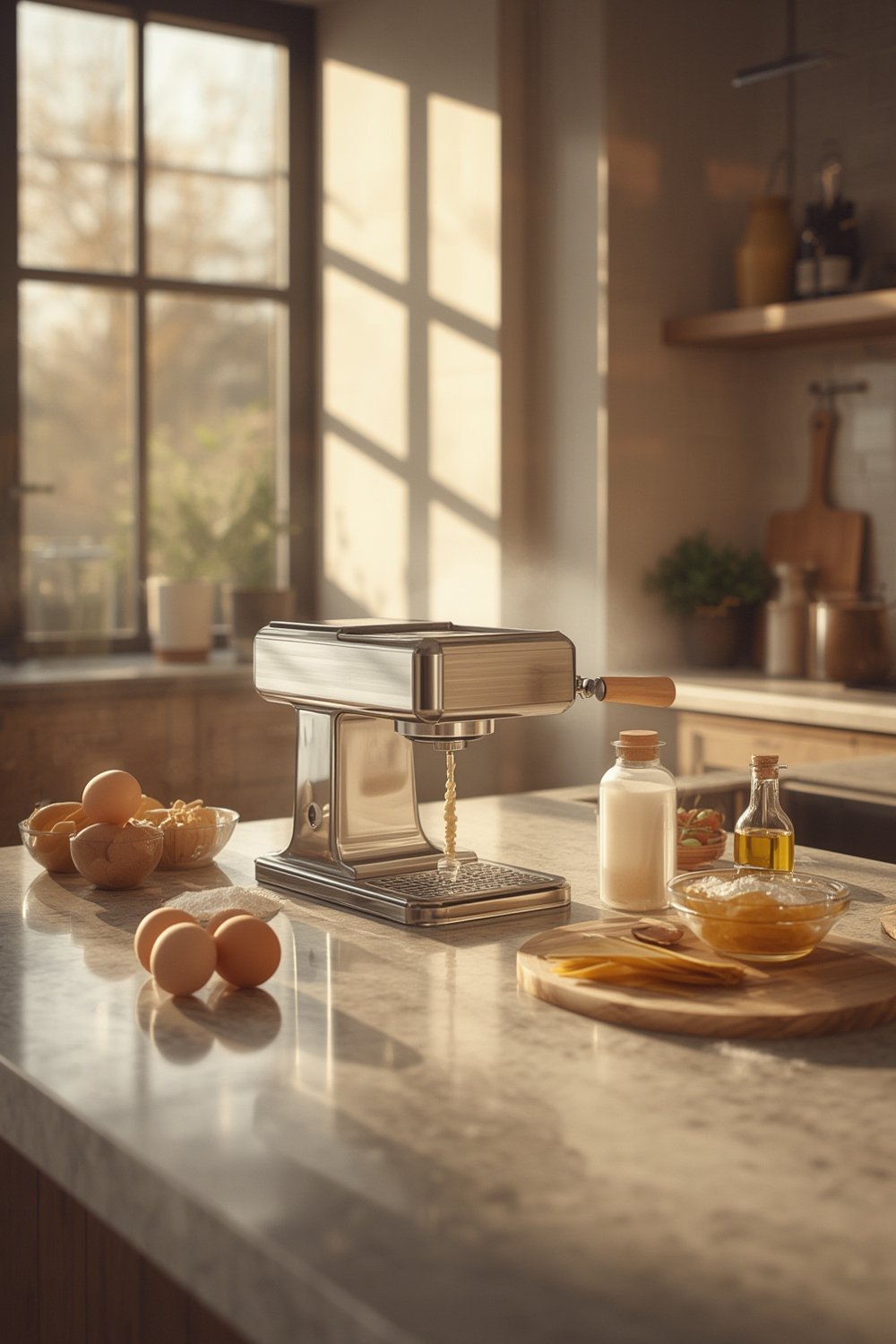
Why use one? Electric pasta makers remove much of the guesswork and heavy labor from pasta making. They encourage creative cooking, allow control over ingredients (whole grains, organic eggs, alternative flours), and often save time compared to making dough by hand. Plus, they bring an “artisan” touch to weeknight meals—and let you avoid preservatives found in store-bought dried pasta.
If you are also exploring other automated kitchen appliances to save time, see how an automatic stirring pot can further streamline your cooking routine.
How to Use an Electric Pasta Maker: Step-by-Step
Getting started with an electric pasta maker may seem daunting, but following a structured process yields consistent, delicious noodles every time. Here’s a practical step-by-step breakdown:
- Choose Your Recipe and Ingredients. Pick a basic pasta dough recipe, or experiment with whole wheat or gluten-free flour.
- Prepare and Load Ingredients. Add flour and eggs (and other liquids, if needed) to the mixing chamber according to your model’s instructions.
- Secure Attachments. Select your desired pasta shape disc and lock it in place. Popular choices include spaghetti, fettuccine, penne, and lasagna sheets.
- Start Mixing and Kneading. Set the desired program—many electric pasta makers have a one-touch start. The machine will combine and knead automatically.
- Begin Extrusion. Once dough is ready, the machine extrudes your noodles. Cut them to your preferred length.
- Cook or Dry Pasta. Fresh pasta cooks in just a few minutes. Any leftovers can be dried for future use.
- Clean Immediately After Use. Disassemble removable parts for easier cleaning, as dried dough can become tough to remove. See the maintenance section for tips.
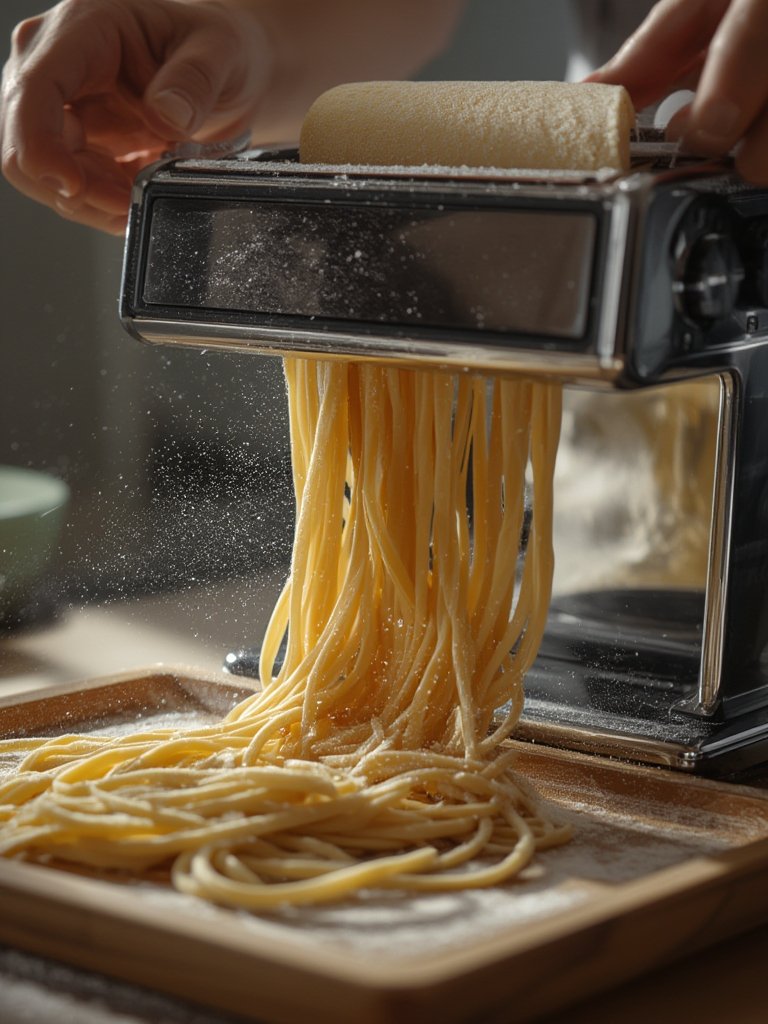
Want to upgrade your smart kitchen? Pair your pasta making with a smart kitchen scale for accurate measuring, or consider a countertop dishwasher to save time on post-cooking clean-up.
Advanced Analysis & Common Pitfalls
While electric pasta makers simplify fresh pasta, research shows several recurring user pain points and technical challenges you should consider before buying or using one regularly:
- Cleaning and Maintenance: Most users cite cleaning as the biggest hassle. Dried dough in extrusion discs and internal chambers can be stubborn. Models with more removable, washable parts are preferable. (More on cleaning strategies below.)
- Dough Consistency: If your dough is too wet or too dry, even advanced models can jam or fail to extrude pasta properly. Start with small ingredient adjustments and always follow the machine’s ratio recommendations.
- Noisy Operation: Some models are quite loud during extrusion, which can be a nuisance in open kitchen spaces.
- Limited Pasta Shapes: Entry-level machines often include only 2–3 discs, while top-tier units boast 8–10 attachments. Check what’s included before purchase.
- Cost vs. Convenience: Electric pasta makers can be expensive compared to traditional hand-crank models. Factor in your frequency of use and cleanup tolerance before investing.
| Pitfall | Common Causes | How to Avoid |
|---|---|---|
| Dough jams or poor extrusion | Wrong flour/liquid ratio; overfilling | Follow recipe weights; add liquid slowly; never overfill chamber |
| Long cleaning times | Letting dough dry inside machine | Disassemble and rinse immediately after use |
| Uneven noodle thickness | Wrong disc or wrong machine setting | Do test runs; check for adjustable thickness features |
| Difficult to switch pasta shapes | Disc assembly is complex, hard to clean | Choose models with quick-release discs |
Feature Innovation: Modern electric pasta makers (like those from Philips, KitchenAid, and Marcato) now offer automatic mixing and programmable thickness, directly addressing consistency issues. Still, careful ingredient handling and a little machine “babysitting” produce the best results, especially for unconventional flours.
For apartment dwellers with limited space, a portable air fryer or a smokeless indoor grill can complete your compact kitchen setup alongside your pasta maker.
According to market research, the main reason some buyers hesitate is the chore of cleaning. However, the benefits for health-conscious cooks—being able to use whole grain or specialty flours—motivate users to stick with electric pasta makers despite the extra effort.
Conclusion
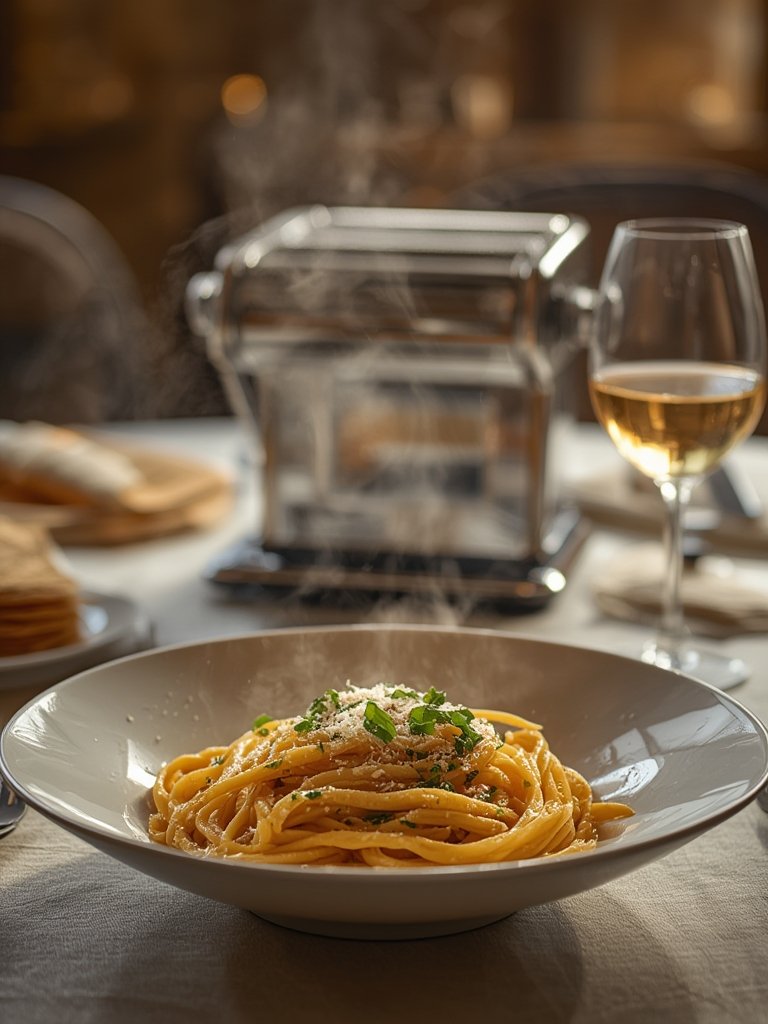
Electric pasta makers offer a unique blend of convenience and creativity, making it possible to enjoy fresh, custom pasta in your own kitchen. While cleaning and dough consistency are realistic challenges, modern machines simplify the process and encourage home cooks to experiment with more nutritious ingredients. Choosing the right model—and learning a few tricks—can turn the electric pasta maker into one of the most rewarding tools in your culinary arsenal.
Ready to take control of your home cooking? Compare models and start making healthier pasta at home today.
Frequently Asked Questions
Is homemade pasta healthier than store-bought pasta?
Homemade pasta lets you choose high-quality flours, skip preservatives, and control your sodium. While research doesn’t show a clear-cut nutritional superiority, you can certainly make healthier choices at home compared to standard processed pasta. Using an electric pasta maker makes that process much easier.
How much cleanup does an electric pasta maker require?
Cleaning is the main complaint. Most machines require you to disassemble parts and rinse them right after use before dough dries out. Some new models offer dishwasher-safe parts, but a quick rinse and brush are almost always needed.
Can I use gluten-free or alternative flours?
Yes, but you may need to experiment with liquid ratios, as alternative flours absorb water differently than wheat flour. Always check your machine’s manual for recommendations on specialty recipes.
What’s the difference between electric and manual pasta makers?
Electric pasta makers automate mixing, kneading, and extrusion, saving significant time and labor. Manual models require hand-cranking and more attention to dough handling. Electric models provide more consistent results and are much faster.
Is it worth getting a pasta maker for small kitchens?
If you value fresh, healthy pasta and have room for a small appliance, a compact or portable pasta maker is worth it. Some models are designed specifically for space-saving convenience. If space is tight, check out our reviews of other compact kitchen appliances like mini air fryers and foldable warming trays.
—