

### Blog Post:
electric composter is transforming the way households handle kitchen waste, delivering a convenient and eco-friendly alternative to traditional bins. With smart features and rapidly rising adoption in North America and Europe, these appliances are a trending upgrade for eco-conscious kitchens.
Key Takeaways
- Electric composters are surging in popularity, especially in North America and Europe, driven by zero waste policies and smart home integration.
- High upfront cost and lack of quantified user reviews are major hurdles; measurable advantages over standard bins are real but often not fully detailed by manufacturers.
- Choosing the right model depends on more than capacity or speed; factors like permitted food types, tech features, and compliance with local regulations matter.
- What Is an Electric Composter and Why Are They Trending?
- How to Use an Electric Composter (and Get the Most Out of It)
- Advanced Analysis & Common Pitfalls
- Conclusion
- FAQ
What Is an Electric Composter and Why Are They Trending?
An electric composter automates the kitchen composting process, breaking down food scraps in hours or days instead of weeks. Unlike basic kitchen waste bins or traditional countertop compost bins, electric models use controlled heat, aeration, and grinding to reduce odor and food volume. The result is a drier, more stable “pre-compost” you can add to soil or garden compost piles.
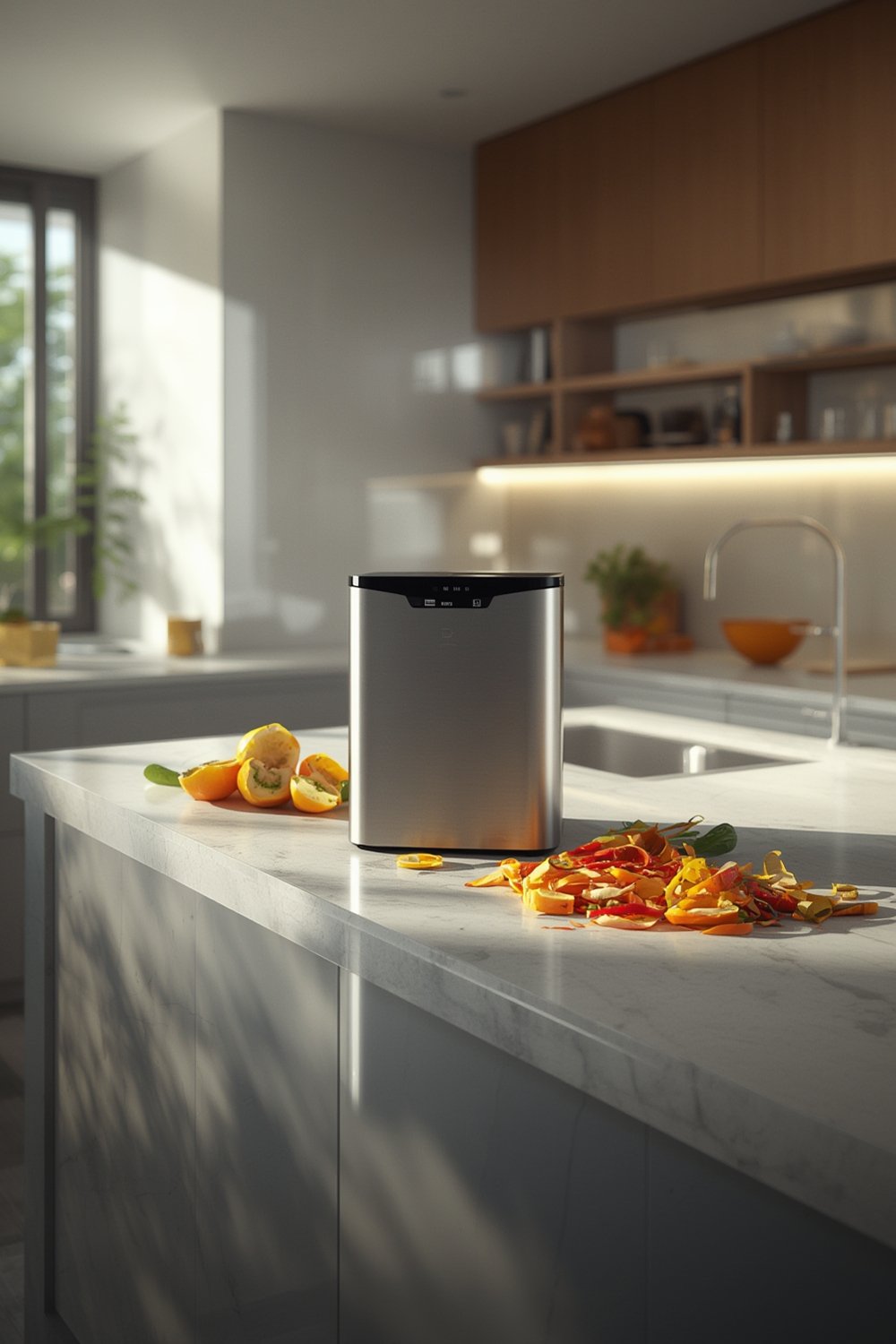
Demand for electric composters has exploded. In 2024, the global electric composter market was worth USD 935.9 million, with North America accounting for the largest share, expected to reach USD 850 million by 2035. Drivers include consumer interest in sustainable living, smart home integration, and stricter municipal waste regulations—especially in cities prioritizing zero waste initiatives.
Europe is close behind, with urban adoption spurred by the European Green Deal and circular economy mandates. Traditional kitchen waste bins remain popular but increasingly are seen as a stepping stone toward more sustainable, high-tech options. Most residential composter sales are for compact 1-5L units, making them practical for small households and apartments.
For consumers accustomed to tech upgrades in the kitchen, the electric composter now sits alongside the smart kitchen scale and nugget ice maker as a badge of green-tech adoption.
How to Use an Electric Composter (and Get the Most Out of It)
Getting started with an electric composter takes only a few steps. The major benefit is that it simplifies the entire composting workflow—no need for outdoor bins, complicated layering, or weekly turning. Here’s what you need to do:
- Set Up in a Suitable Location
Place the composter on a flat, ventilated surface close to an outlet. Avoid exposure to high humidity or water sources. Compact units fit on most countertops or under cabinets—just like a portable dishwasher. - Add Compatible Food Waste
Most models handle fruit, vegetable peels, coffee grounds, egg shells, and limited protein (check your user manual!). Avoid bones, large pits, excessive citrus, or too much oil. Compatibility with food types varies by brand, so always confirm before tossing in cheese or meat. - Close Lid and Select Cycle
Seal the lid tightly. Some smart composters (like Vitamix or Lomi) let you pick between “quick” and “eco” modes using app controls or onboard buttons. - Let the Machine Run
Depending on your cycle, expect processing times from as little as 4 hours to overnight. The device uses heat, agitation, and filtration to dry and grind material, resulting in less mess and odor than a passive bin. - Empty and Use the Output
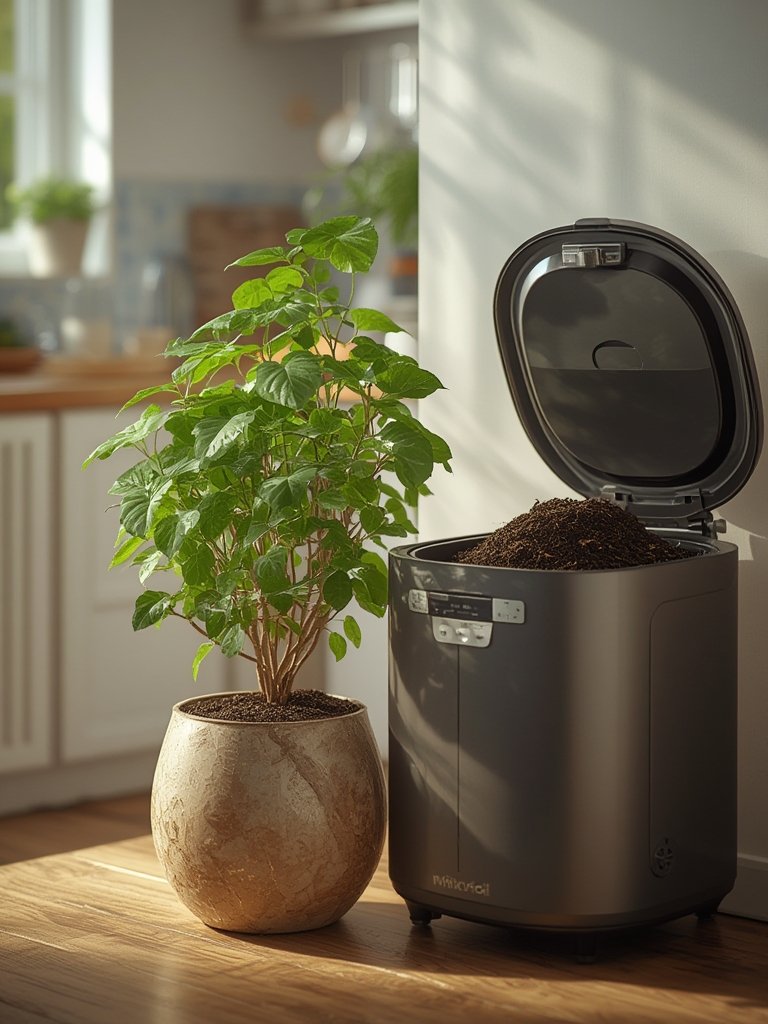
Once a cycle finishes, collect the output. This isn’t finished humus, but a “pre-compost” or soil amendment. Add it to garden soil, mix it into potted plants, or deliver it to a larger compost pile for further maturation. - Basic Maintenance
Wipe the chamber, replace filters as directed (usually every 1-3 months), and check for signs of missed material or jams. This simple routine extends the appliance’s lifespan and odor control performance.
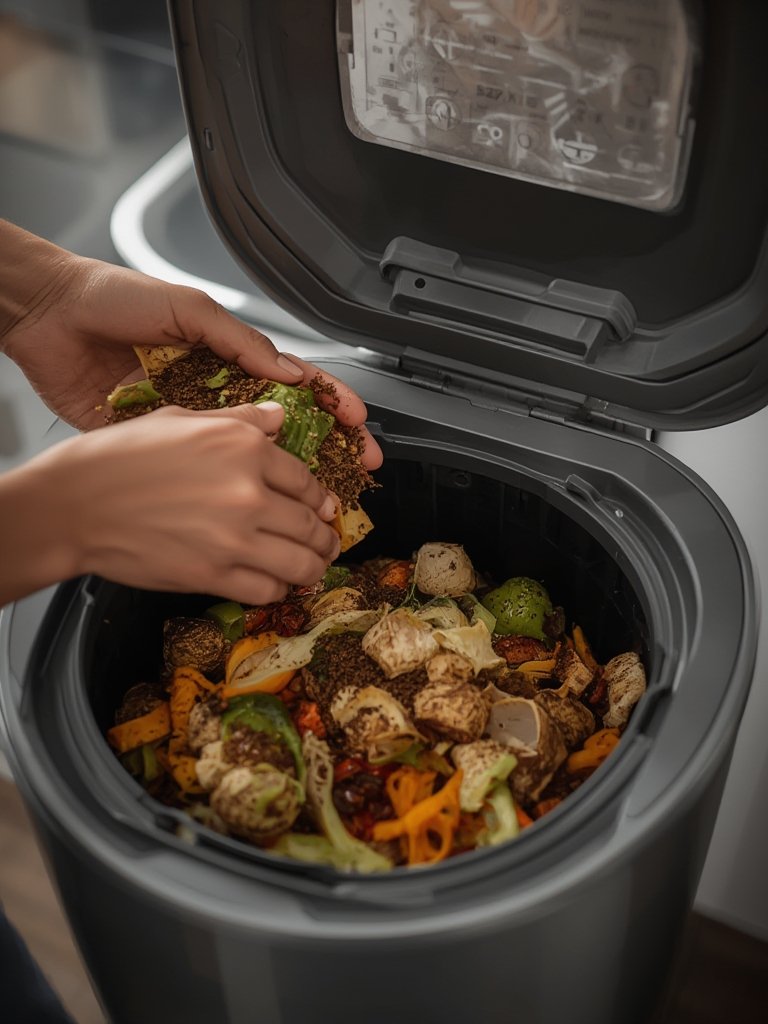
To go further, compare smart features when choosing your unit. The best-performing electric composters in 2024 offer WiFi or app integration, smart sensors, and rapid cycle times. Cheaper models or basic indoor food recyclers usually lack these options.
Looking for more kitchen upgrades? See our reviews of the electric salt and pepper grinder and smokeless indoor grill.
Advanced Analysis & Common Pitfalls
Despite their advantages, electric composters are not always a zero-hassle solution. Here are the realistic challenges and pitfalls users encounter based on recent research:
- Costs and ROI: Upfront costs are a major barrier. Electric composters retail from $250 to $700+, and manufacturers rarely disclose ongoing costs for filters and electricity. Market reports consistently list high initial investment as a top restraint, especially versus basic kitchen waste bins (which can be under $20).
- Noise and Maintenance: User feedback data is limited, but typical pain points for indoor food recyclers include noise during cycles, periodic filter replacement, and the need for prompt emptying to avoid odors. Official specs usually don’t publish decibel levels.
- Actual Odor and Volume Reduction: Manufacturers promise less odor and up to 90% volume reduction, but there’s a lack of measured third-party data directly comparing electric composters to traditional bins. Expect “dryer” and less smelly output, but results can vary widely by model, input food type, and maintenance.
- Food Type Limitations: Many models cannot handle bones, large pits, or high-fat scraps; some are even sensitive to citrus or starchy foods. Adding the wrong item can lead to jams or odors.
- Environmental Impact and Regulations: While promoted as green-tech, the environmental lifecycle impact depends on factors like electricity source, manufacturing impact, and disposal of spent filters. Local composting rules may restrict use of pre-compost output in some regions.
| Feature | Electric Composter | Kitchen Waste Bin |
|---|---|---|
| Odor Reduction | High (with filters) | Low (no filtration) |
| Processing Speed | 4-24 hours per batch | Weeks (passive composting) |
| Volume Reduction | Up to 80%-90%* | 50%-60% (dehydration depends) |
| Smart Features | Yes (app integration, IoT) | No |
| Upfront Cost | $250-$700+ | $20-$50 |
| Ongoing Costs | Filters, electricity | None/minimal |
| Output Usability | Pre-compost (may need maturing) | Compostable scraps (raw) |
*Volume and processing speed claims subject to manufacturer and input specifics.
Smart electric composters also distinguish themselves with features like real-time mobile monitoring, scheduling cycles, and energy-efficient operation. Models from leading brands offer 1-5L capacity for most households, and larger units are on the rise for high-volume kitchens. A basic indoor food recycler lacks these innovations and is often silent on performance metrics.
For advanced kitchen tech, check out the automatic stirring pot or explore new solutions like the wireless vacuum sealer for food storage needs.
Conclusion
Electric composters make it possible to shrink kitchen waste, improve odor control, and support sustainable living from the comfort of your home. While adoption is strongest in North America and Europe, practical hurdles remain: higher costs, limited measurable data on their performance versus passive bins, and food type limitations. The key is to choose an electric composter that fits your kitchen, waste habits, and local composting regulations. Ready to make the switch? Find your electric composter today and begin transforming your kitchen waste routine.
Upgrade your kitchen further with a smart rice cooker & steamer or explore the benefits of a smart induction cooktop for precision cooking.
FAQ
What foods can I put in an electric composter?
Most electric composters accept fruit and vegetable scraps, coffee grounds, eggshells, bread, and small amounts of protein. Always check your model’s allowed food list; avoid bones, large pits, or excessive oil, as these can cause jams or reduce performance.
Is the output from my electric composter safe to use directly in plants?
The output is usually best described as “pre-compost” or soil amendment. For houseplants, mix a small amount with soil. For use in edible gardens, further maturation in a compost pile is recommended, since some outputs may be too concentrated or not fully decomposed.
How much does it cost to run an electric composter?
Upfront costs range from $250 to over $700. There are regular expenses for filters (every 1-3 months), and minor electricity costs per cycle. Precise numbers vary by usage and brand, but ongoing expenses are higher than for a standard kitchen waste bin.
Do electric composters really eliminate odor?
Most perform much better than passive bins, thanks to integrated air filters and heating cycles. However, they’re not always completely odor-free—neglecting maintenance or overloading the bin can still cause unpleasant smells.
Are electric composters worth it?
If you want fast, comparatively clean reduction of kitchen waste and a “set and forget” experience, they’re hard to beat. But consider your volume of waste, commitment to regular maintenance, and whether you already compost outdoors before investing.