

Automatic Espresso Machine technology is transforming home coffee routines with one-touch convenience and café-style results. As demand grows for smart appliances that deliver high-end espresso at home, it’s important to know what these machines really offer—and where they may fall short.
Key Takeaways
- The global automatic espresso machine market is booming, especially for premium, smart models designed for home use.
- Many top reviews miss important real-world pain points, technical comparisons, and details about maintenance or longevity.
- Recent innovations focus on app connectivity and automation, but users should stay realistic about consistency and upkeep.
Table of Contents
- What is an Automatic Espresso Machine and Why It Matters
- How to Choose and Use an Automatic Espresso Machine
- Advanced Analysis & Common Pitfalls
- Conclusion
- FAQ
What is an Automatic Espresso Machine and Why It Matters
An automatic espresso machine is a powerful kitchen appliance that grinds, doses, tamps, and brews espresso drinks—often with a single button. These machines cater to people who want strong, café-quality coffee at home without learning the complex art of manual espresso making. The latest 2024 models include smart coffee makers with built-in grinders, milk frothers, and app integration. This category also covers one-touch espresso machines and automatic latte machines that promise consistency and speed.
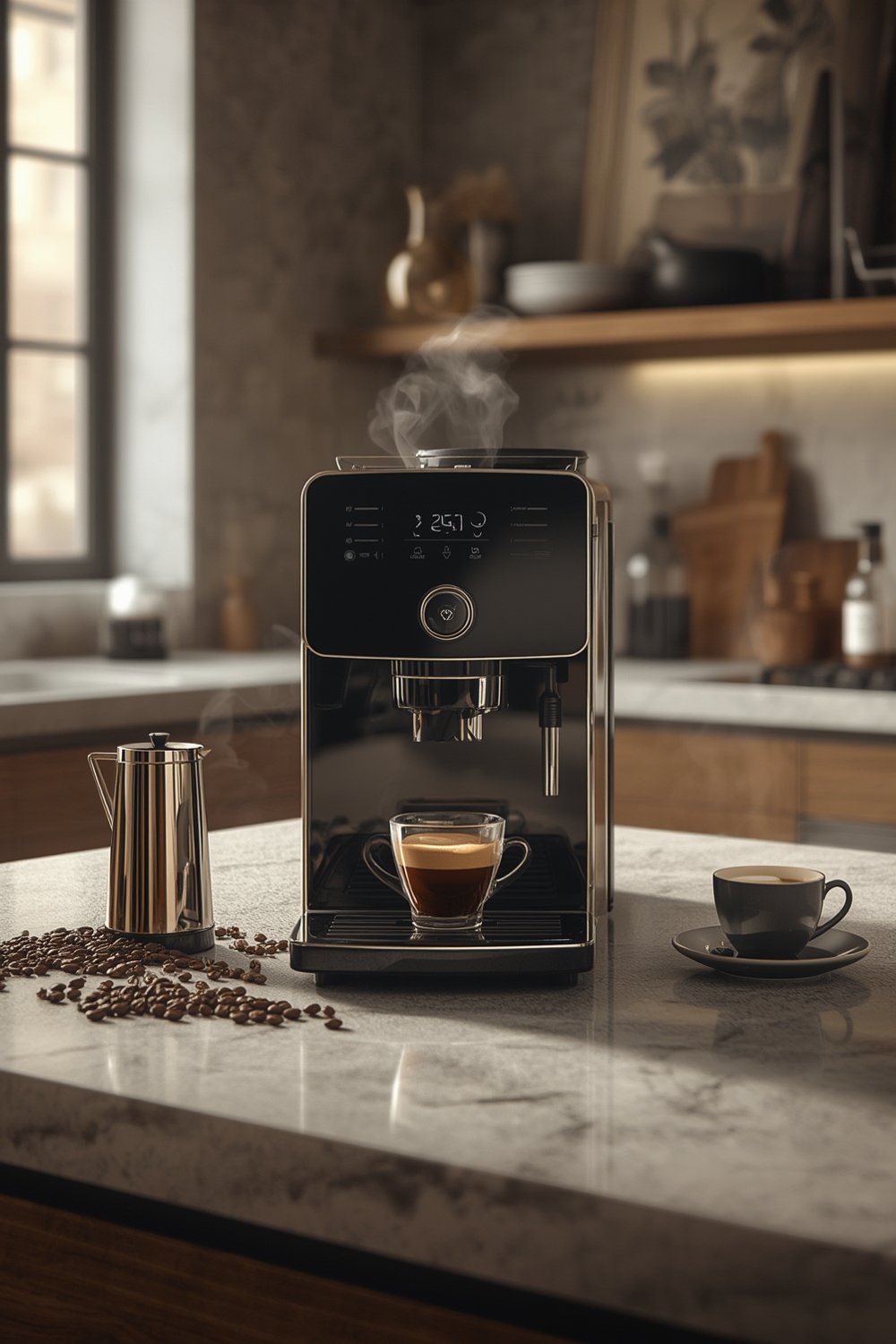
The market for these premium machines is exploding. In 2024, the global automatic espresso machine sector was valued at USD 5.01 billion. Growth is expected to nearly double by 2035, led by North American demand for high-end, app-enabled appliances. More consumers want the convenience, customization, and reliability that smart coffee makers with grinders can deliver. Brands such as Bosch and KitchenAid have focused on one-touch personalization and connected features, responding to the new home café trend. (source)
How to Choose and Use an Automatic Espresso Machine
Choosing the right automatic espresso machine is a mix of technical understanding and lifestyle fit. Here’s a practical process to guide you through buying, setting up, and maintaining your coffee maker for the best results at home.
- Decide on Your Core Needs. Are you after a pure espresso experience, or do you prefer cappuccinos and lattes with automatic milk frothing? Smart features like app control or remote brewing are convenient but may cost more.
- Compare Technical Specs. Look for a Smart Coffee Grinder with conical burrs over blades, as these provide more precise and consistent grinding. Check for adjustable brewing temperature, programmable milk frothing, and the ability to save custom drink profiles. Despite consumer demand, few reviews cover this level of detail—always request a spec sheet from the seller or download the product manual before committing.
- Consider Size, Water Tank & Bean Hopper Capacity. If space is an issue, a machine may not fit your small kitchen like a Portable Air Fryer would. Automatic espresso machines can be bulky, especially models with built-in milk carafes and grinders.
- Maintenance & Cleaning Routine. Look for machines with automated cleaning programs. This feature is often present in premium models but can break down—so check availability of replacement parts and support. Smart models may alert you to maintenance needs via app, similar to how a Smart Induction Cooktop tracks sensor data.
- Budgeting for High-End Models. Current research does not reveal average 2024 price ranges, but premium automatic coffee makers with grinders and one-touch lattes typically start above $799 and can easily exceed $2,500. If your budget is tight, you might want to browse a Foldable Food Warming Mat or other compact appliances before investing.
- Test Drink Settings. Make small adjustments to grind, strength, and milk texture using test cups. If your machine offers app connectivity, try customizing drinks remotely for consistent results. If you prefer cold drinks, a countertop Nugget Ice Maker can pair well with espresso-based recipes.
- Stick with high-quality coffee beans. The built-in grinder can only do so much if the beans are stale or low grade. Store beans in a cool, airtight container for best results.
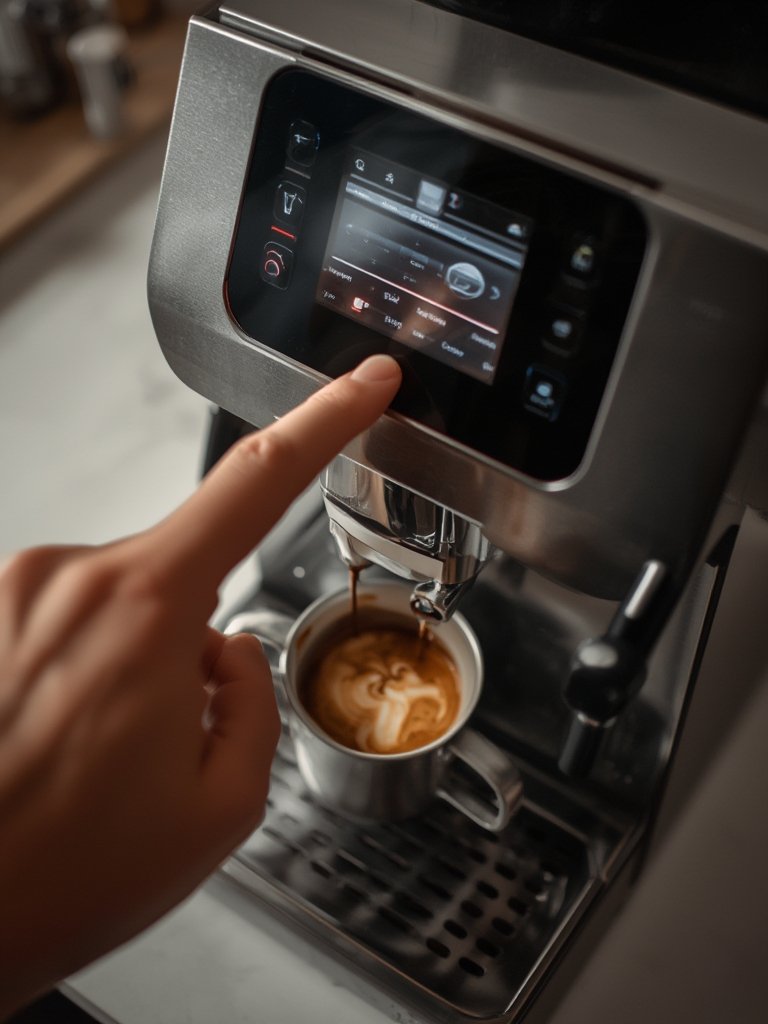
Maintaining Your Machine
- Empty drip trays and used grounds containers after each use.
- Wash all removable parts weekly; descale monthly, or as app alerts indicate (especially in hard water regions).
- Plan for filter, gasket, or pump replacements after 1-3 years, even with perfect care.
If you value simplicity in the rest of your kitchen, consider adding a hands-off Automatic Stirring Pot for cooking, which requires minimal cleaning and attention.
Advanced Analysis & Common Pitfalls
The biggest challenge with automatic espresso machines lies in the expectation gap: many people expect real café-quality shots without expertise, but these appliances—while excellent—have trade-offs. Here’s what top-ranking reviews rarely tell you, based on a technical, data-driven look at the field.
Common Pitfalls
- Consistency: Even top-tier machines struggle to perfectly replicate the hand-crafted flavor, texture, and mouthfeel of a barista-pulled shot. No major studies or aggregated reviews have directly addressed user pain points on consistency—yet it’s a frequent area of private complaint.
- Features Overload: Smart connectivity, app modules, and one-touch functions are overhyped in some models. Many users find they use only a fraction of the programmable settings, and complex controls can intimidate guests or less tech-savvy family members.
- Maintenance & Downtime: Regular cleaning is non-optional. Automated self-cleaning can ease the routine, but parts like milk systems are still prone to clogging. The lack of published data on maintenance costs or durability means owners have little sense of repair timelines or expenses—sometimes replacement is the only realistic solution after a few years of daily use.
- High Cost of Entry: Premium machines cost significantly more than manual or semi-automatic alternatives, and actual average price data is rarely published. This makes thorough research and realistic budgeting a must before investing.
| Feature | Manual Espresso Machine | Automatic Espresso Machine | Smart Coffee Maker with Grinder |
|---|---|---|---|
| User Skill Level | High | Low | Very Low |
| Customization | Full Manual Control | Preset Adjustments | App-Based, Profiles |
| Maintenance Needs | Moderate | High (self-cleaning partially helps) | High (remote alerts possible) |
| Expected Price (USD) | $500–$1000 | $799–$2500+ | $999–$3000+ |
| Milk Frothing | Manual Wand | Automatic or Manual Wand | Fully Automatic |
Recent Innovations
Manufacturers now offer app integration for remote brewing and maintenance alerts, as highlighted in 2024 product launches. While these features add convenience, advances such as adaptive brewing algorithms or fully self-cleaning milk systems lack independent longevity data as of this writing. Users should expect continuous improvement but plan for real-world maintenance.
Conclusion
Today’s automatic espresso machine delivers remarkable convenience, smart features, and high customization for home brewers seeking regular, café-style coffee. However, shoppers should research carefully: most reviews skip real maintenance demands, cost details, and realistic limitations. If you value speed, consistency, and smart integration, consider making a top-rated automatic espresso machine part of your kitchen. Demand is only expected to grow—and the technology will keep getting better. Ready to brew the perfect cup at home? Choose wisely and enjoy your daily ritual.
FAQ
What is the difference between an automatic and a manual espresso machine?
An automatic espresso machine handles grinding, dosing, tamping, and brewing at the touch of a button, while a manual machine requires you to perform each step yourself. Automatic models are easier for beginners, but manual ones allow for more control and customization.
Do automatic espresso machines make coffee as good as a café?
Modern automatic espresso machines come close to café quality, especially high-end models with precise temperature control and advanced milk frothing. However, a skilled barista using a manual machine can still outperform most home models, especially for nuanced drinks.
How often do I need to clean an automatic espresso machine?
Most manufacturers recommend emptying drip trays and used coffee containers daily, cleaning milk systems and brew groups weekly, and descale monthly. Precise intervals depend on local water hardness and how much you use the machine. Follow your machine’s app or manual prompts closely.
What’s the average lifespan of an automatic espresso machine?
With regular maintenance and cleaning, a quality automatic espresso machine typically lasts 5 to 8 years. Some components like gaskets or pumps may need replacement sooner.
Should I buy a machine with a built-in grinder or separate grinder?
A built-in grinder provides compact convenience and one-touch brewing. However, separate grinders offer greater adjustment and are typically easier to clean. For most home users, a good built-in grinder is sufficient, but serious enthusiasts often prefer standalone models.