

Automated Garbage Disposal is quietly revolutionizing modern kitchens, solving waste management challenges and keeping your cooking space fresher and cleaner. But before you upgrade your sink with a kitchen waste grinder or sink food crusher, it’s crucial to know what works, where pitfalls lie, and which features can boost both efficiency and hygiene.
Key Takeaways
- The global market for automated garbage disposal units hit USD 3,124.5 million in 2024, with Asia Pacific showing the fastest growth.
- Most competitor guides miss out on odor control, smart home integration, and composting compatibility—look for these in your next kitchen upgrade.
- Few direct complaints are public, but realistic buyers should weigh installation complexity and the need for ongoing maintenance.
- What Is Automated Garbage Disposal and Why Does It Matter?
- How to Upgrade to an Automated Garbage Disposal: Step-by-Step Guide
- Advanced Analysis & Common Pitfalls
- Conclusion
- Frequently Asked Questions
What Is Automated Garbage Disposal and Why Does It Matter?
Automated garbage disposal refers to installing a kitchen waste grinder—often called a sink food crusher or quiet garbage disposal—directly in your sink drain. This device grinds up food scraps, reducing kitchen odors, streamlining cleanup, and sending fine particles safely down your plumbing. Batch feed and continuous feed models dominate the market, and modern units can be surprisingly quiet and efficient.
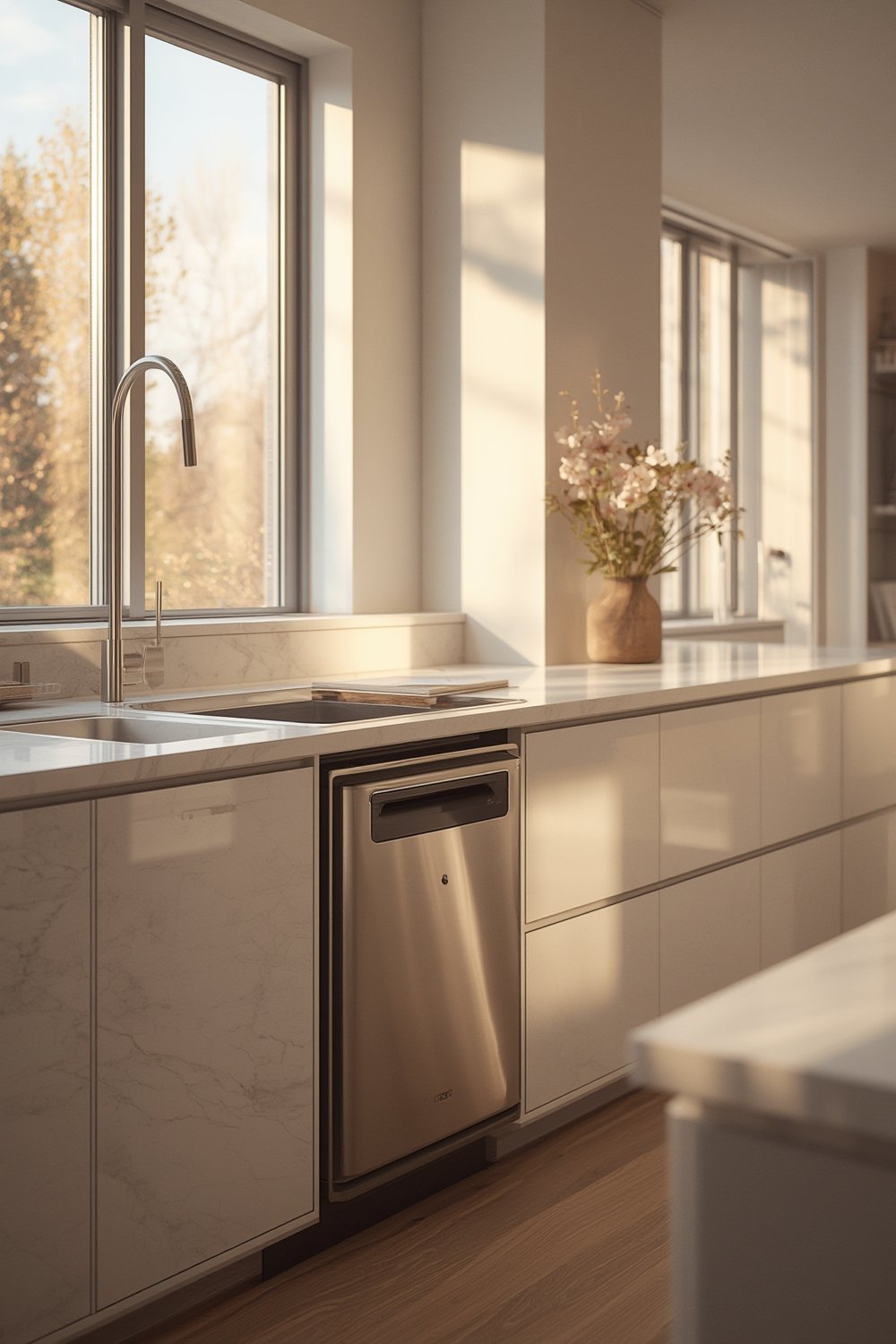
With the global garbage disposal unit market valued at over USD 3.1 billion in 2024 and expanding steadily (5.20% CAGR to 2031), it’s clear this appliance is becoming standard in new home builds and kitchen remodels. Kitchen waste grinders do more than eliminate daily food trash—they increase cleanliness and can support green kitchen goals when paired with other eco-friendly gadgets like a smart kitchen scale or compact air fryer.
Homeowners cite major benefits: reducing kitchen odors, controlling insects and pests, and cutting down weekly trash loads. But the evolution of these units is also driven by environmental pressure, space-saving needs, and growing interest in luxury kitchen appliances.
How to Upgrade to an Automated Garbage Disposal: Step-by-Step Guide
- Assess Your Sink and Plumbing
Not all kitchen sinks are ready for a waste grinder. Check your drain diameter (ideally 3.5 inches) and space under the sink. Look for nearby power outlets and ensure plumbing is in good shape. - Select the Right Model
Consider motor power (usually from 1/3 to 1 HP), noise-reduction design, and feed type. Quiet garbage disposals are best for open-plan spaces. Batch feed models offer extra safety; continuous feed crushers deliver speed and convenience. - Gather Installation Tools
Typical tools: screwdriver, adjustable wrench, pliers, plumber’s putty, and electrical wire nuts. Most high-quality units come with a setup guide—follow it for best results. - Disconnect Old Plumbing
Turn off water and power. Remove the existing drain flange and P-trap, collecting any residual water with a towel. - Install the Mounting Assembly
Apply plumber’s putty, install the new flange, and secure it with the mounting ring system provided. - Wire and Mount the Unit
If your unit isn’t plug-and-play, you’ll need to wire it to a dedicated electrical circuit. Lift and twist to lock the grinder into the mounting assembly. - Connect to Drain and dishwasher drain hose (if present)
Attach the discharge tube to your sink’s waste line and, if applicable, the dishwasher drain hose to the grinder’s inlet. - Test for Leaks & Functionality
Restore power and water, run the unit with cold water, and check all connections for drips. - Set Up Odor and Smart Features
Choose models with odor filters or compatibility with kitchen automation platforms for extra convenience. Some advanced units even pair with smart kitchen systems.
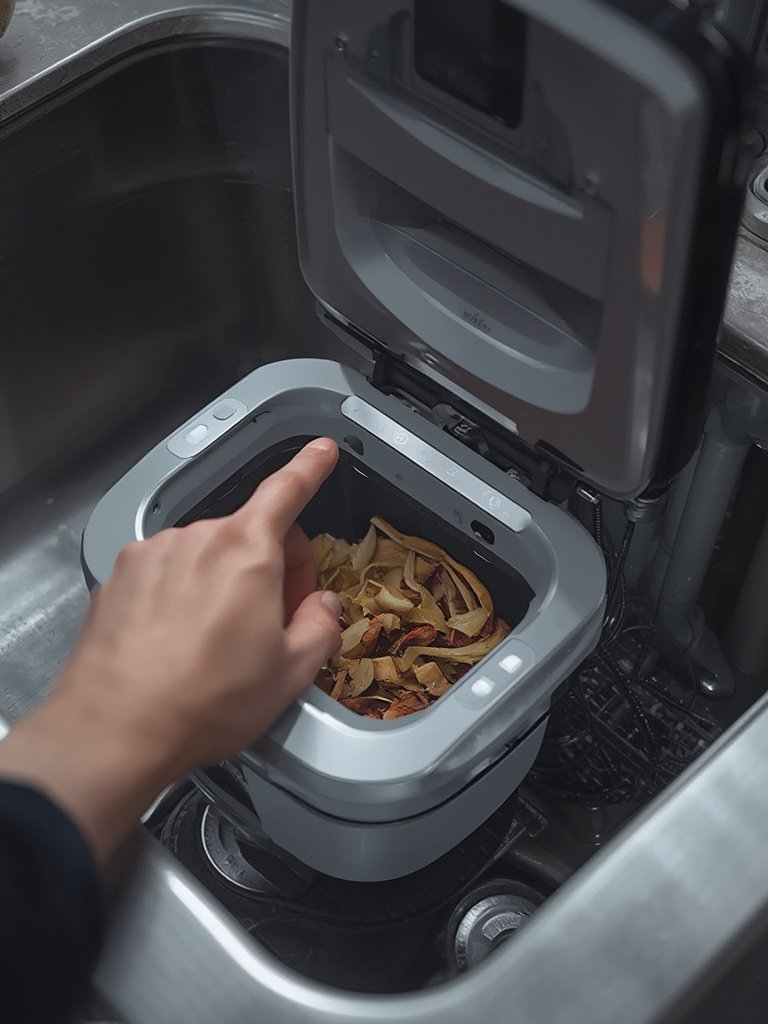
Pairing your disposal unit with a kitchen vacuum can create a seamless clean-up workflow—sweep crumbs to the floor, grind food waste in the sink, and maintain a spotless cooking zone. Look for disposals with smart sensors or Wi-Fi integration for voice assistant support.
Advanced Analysis & Common Pitfalls
Even though automated garbage disposals are designed for convenience, there are realistic hurdles to consider before you buy or upgrade:
- Installation Can Be Tricky: Not all cabinets fit a full-size grinder. DIY installs may void warranty or create leaks if not sealed properly.
- Hidden Maintenance Costs: Regular cleaning and part replacements are sometimes overlooked. Blockages from non-food items or fibrous foods are a common (and costly) mistake.
- Noise Levels Vary: While some models promise “quiet” operation, most can still startle pets or children. Consider units with sound insulation if your home is open-plan.
- Compatibility Limits: Many units aren’t easily paired with composting systems or advanced odor filters unless specified.
- Lack of Public Data on User Experience: Most market research focuses on sales; direct consumer complaints about noise, durability, or installation issues are rarely published.
Below is a comparative snapshot of major regional sales trends and growth rates for 2024, with data cited from industry research reports:
| Region | Market Share (2024) | Market Value (USD million) | CAGR |
|---|---|---|---|
| North America | 40% | 1,249.80 | 3.4% |
| Europe | 30% | 937.35 | N/A |
| Asia Pacific | 23% | 718.64 | 7.2% |
| Latin America | 5% | 156.23 | 4.6% |
| Middle East & Africa | 2% | 62.49 | 4.9% |
Batch feed disposals are seeing the most rapid growth, but detailed technical specs, direct complaints, and running cost averages remain largely unreported in public sources (see source).
Environmental considerations are another area where garbage disposals face scrutiny. According to market research, automated collection systems in general can help reduce pollution—modern disposals may have an edge in eco-friendly homes, especially when paired with a compact dishwasher or smokeless grill.
Conclusion
Automated garbage disposal units are a practical upgrade for any kitchen focused on efficiency, hygiene, and modern convenience. While the market is steadily growing, information gaps still exist around user complaints and detailed tech specs. Focus on proven models, smart features, and compatibility with your home’s existing infrastructure. Don’t overlook odor control and periodic maintenance. Add the finishing touch by pairing your system with a one-touch grinder or versatile rice cooker for a streamlined kitchen.
Ready to upgrade? Explore the latest automated garbage disposal models for your kitchen—and transform daily cleanup into a breeze.
Frequently Asked Questions
Can I install an automated garbage disposal myself or do I need a professional?
Many homeowners install units themselves if they’re comfortable with plumbing and basic wiring. If you’re unsure, or if there are complex wiring or space constraints, hire a licensed plumber or electrician for safety and warranty protection.
Do garbage disposals work with septic systems?
Some modern disposals are compatible, but check manufacturer guidelines. Not all systems are rated for the extra waste load, and regular maintenance is needed to keep septic tanks healthy.
What maintenance does an automated garbage disposal require?
Routine maintenance includes flushing with ice and mild soap, cleaning flanges, and checking for leaks. Avoid putting fibrous materials or grease down the unit.
Will an automated garbage disposal help with kitchen odors?
Yes, high-performance units with odor filters help reduce lingering smells by grinding waste quickly and flushing it away. For best results, regularly clean the chamber and consider a disposal-safe deodorizer.
How do I know if my home is ready for a quiet garbage disposal upgrade?
Check that you have a 3.5-inch drain, enough space under the sink for installation, and a dedicated electrical outlet nearby. Assess your plumbing and ensure your city’s regulations allow disposals.