

Adaptive Induction Cooktop technology is changing the way modern kitchens work by bringing smart temperature control and AI to your cooktop. If you want more precise cooking, better safety, and the ability to automate your kitchen routines, read on for a deep, actionable guide to this new generation of induction appliances.
Key Takeaways
- Adaptive induction cooktops use sensors and smart algorithms for precise temperature regulation, but real-world user reviews are still limited in 2024.
- These smart cooktops integrate with smart kitchen devices and offer enhanced energy efficiency, yet their pricing and user pain points are not widely reported.
- Consider both the benefits and the current data gaps before investing in adaptive cooktop technology for your home.
- What Is an Adaptive Induction Cooktop and Why Is It Trending?
- How to Use an Adaptive Induction Cooktop: Step-by-Step Guide
- Advanced Analysis & Common Pitfalls
- Conclusion
- FAQ
What Is an Adaptive Induction Cooktop and Why Is It Trending?
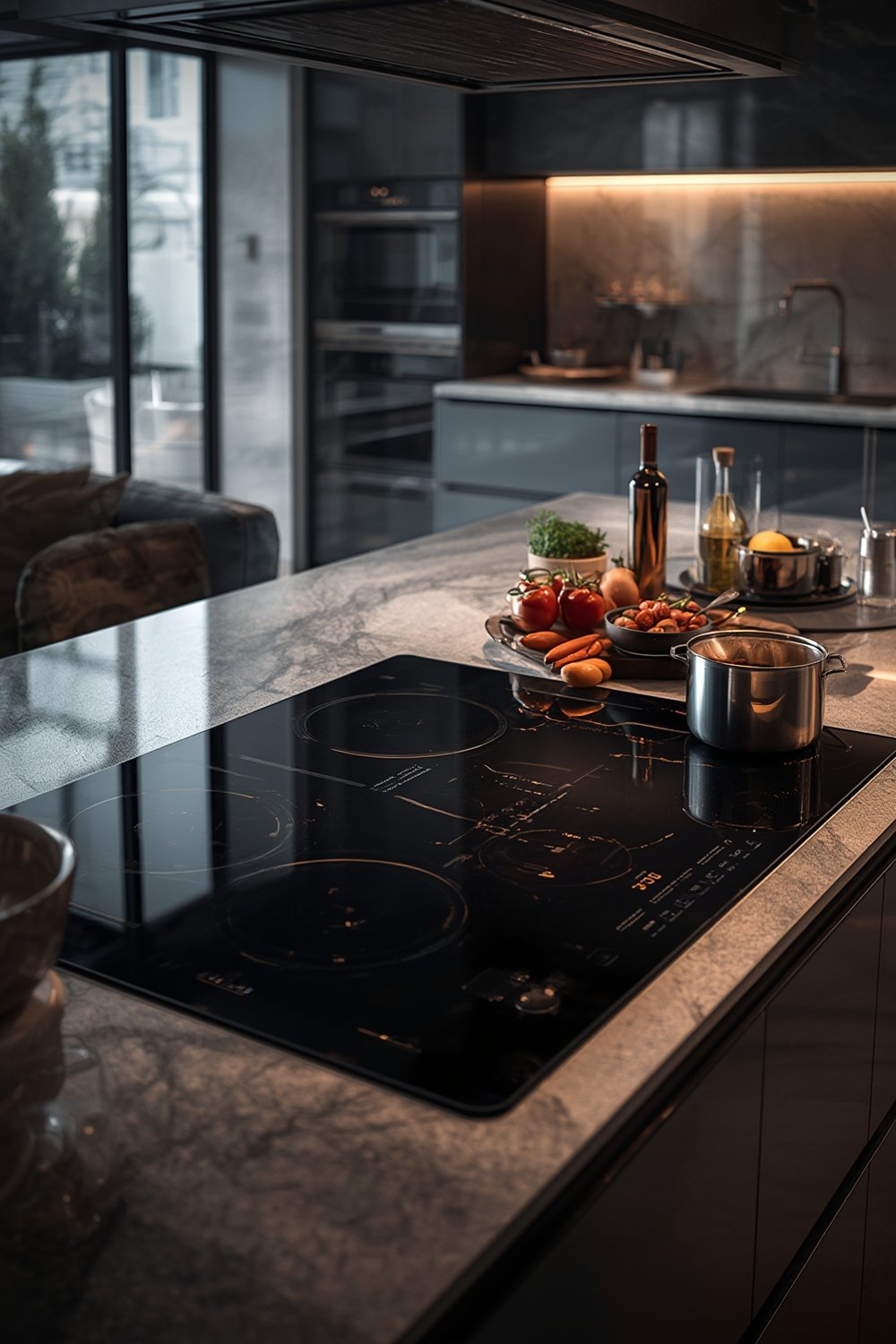
An adaptive induction cooktop, sometimes called a smart induction cooktop, uses AI-enhanced sensors to monitor and adjust heat delivery in real time. Unlike traditional induction cooktops that simply heat based on power settings, adaptive cooktops use integrated sensors and algorithms to dynamically adapt the temperature, helping you avoid burning, undercooking, or boiling over. This technology is trending because users want greater control, energy efficiency, and seamless integration with smart home platforms. Adaptive induction cooktops also support features such as automated recipe modes, remote operation, and enhanced safety measures tailored to family use—even as robust third-party testing data remains scarce.
How to Use an Adaptive Induction Cooktop: Step-by-Step Guide
-
Unpack and Position Your Cooktop
Place your adaptive induction cooktop on a stable, heat-resistant surface with proper ventilation. For built-in models, ensure correct cutout dimensions and follow manufacturer instructions for clearance. -
Power On and Connect
Plug in the cooktop and, if it’s a smart model, connect it to your Wi-Fi network using the device’s app. This step enables software updates and remote monitoring. -
Initial Setup and Calibration
On first use, calibrate the sensors following the app/setup wizard. Some models walk you through initial tests using induction-compatible cookware. -
Choose a Cooking Mode
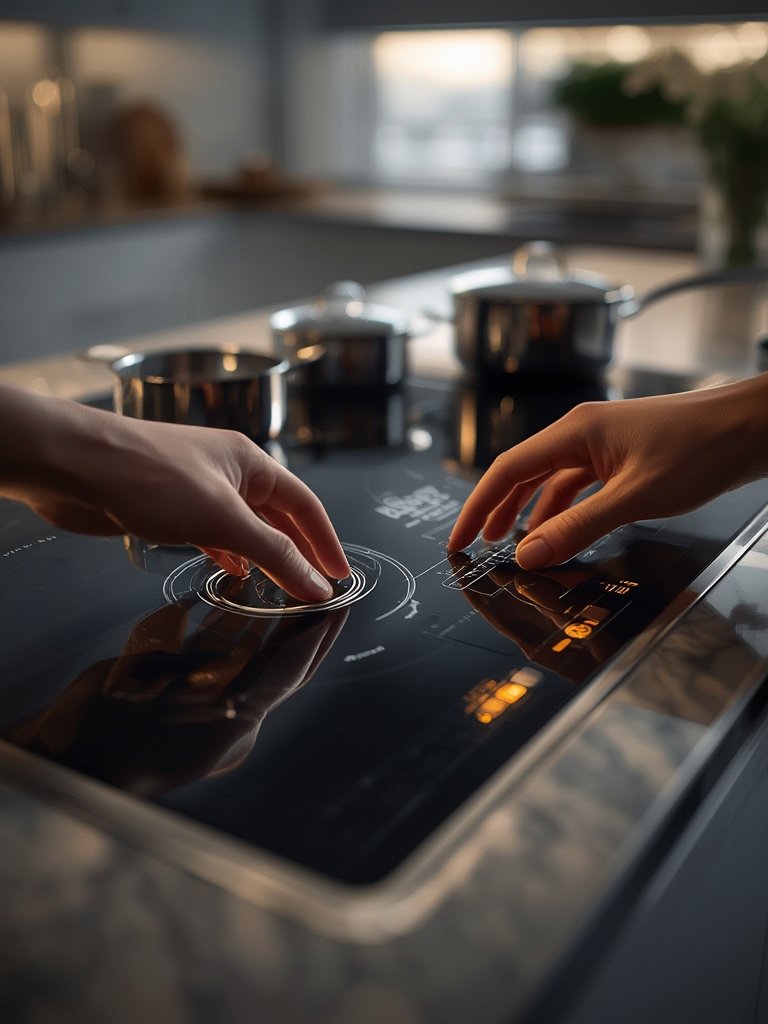
Select from preset programs (such as “boil,” “simmer,” or “fry”) or use manual controls for custom temperatures. Adaptive models offer real-time adjustment based on feedback from cookware or food sensors. -
Monitor and Adjust As Needed
During cooking, watch for app notifications—many smart cooktops will alert you to boiling over, pan overheating, or even completion of a timed recipe step. -
Use Safety and Maintenance Features
Adaptive induction cooktops often include child locks, auto-shutoff, and residual heat indicators. Clean the glass with a nonabrasive cloth for longevity.
Advanced Analysis & Common Pitfalls
While adaptive induction cooktops promise more control and smarter safety, there’s currently little published data on real-world accuracy or reliability of the latest AI-driven features. Most available research lumps smart and adaptive induction cooktops with standard induction products, making it hard to verify performance claims.
Current Market Size and Growth
Induction cooktops in general were valued at between USD 27.67 billion and USD 15.50 billion in 2024, depending on product scope. The segment is expected to continue growing, led by energy efficiency, with Europe at 33% market share and Asia-Pacific posting the highest CAGR (up to 12.6%).
Comparison Table: Adaptive vs Smart vs Standard Induction Cooktops
| Feature | Adaptive Induction Cooktop | Smart Induction Cooktop | Standard Induction Cooktop |
|---|---|---|---|
| Automatic Temperature Adjustment | Yes, AI-driven | Partially, via sensors | No/manual only |
| App Integration / Wi-Fi | Often | Yes | Rarely |
| Recipe Automation | Emerging | Some models | No |
| Safety Locks & Alerts | Advanced, customizable | Standard | Basic |
| Sensor Technology | Multi-point, AI-augmented | Single/limited | Basic thermal sensor |
| Price (2024 est.) | ~$1,000+ (4-burner, est.) | ~$1,000+ (4-burner, est.) | Similar or less |
| Independent Lab Data? | No | No | Some (general reviews) |
| User Pain Points Reported? | No public data | No public data | Occasional (noise, interface) |
Common Pitfalls and Realistic Problems
- User Experience Gaps: Many adaptive induction cooktops are new to market, and user feedback on temperature precision and AI reliability is limited.
- Lack of Verified Claims: Manufacturers advertise advanced features, but independent or expert reviews are not readily available.
- IoT/Smart Home Setup Friction: Pairing your cooktop with smart kitchen devices, like a portable air fryer or electric salt and pepper grinder, may not always be glitch-free.
- No Clear Price Advantage: Prices are similar to traditional induction models, with 4-burner smart/adaptive versions hovering around $1,000—affordable but not niche.
- Unclear Longevity: More sensors and Wi-Fi hardware may lead to more potential points of failure versus simple induction models.

Conclusion
Adaptive induction cooktops mark a step forward in precision, connectivity, and convenience—but the absence of robust independent testing, price differentiation, and widespread user reviews means a cautious approach is wise. If you want to future-proof your kitchen, integrating an Adaptive Induction Cooktop with your other smart cooking essentials, such as a smokeless indoor grill, can help you unlock the full potential of smart meal prep. Ready to experience seamless, sensor-driven cooking? Start by reading product manuals carefully and always verify compatibility with your preferred kitchen accessories before investing.
FAQ
What is the difference between an adaptive, smart, and standard induction cooktop?
Adaptive models use sensors and AI to adjust temperature in real time. Smart models offer Wi-Fi or app support but may have fewer adaptive algorithms. Standard induction cooktops rely on manual controls with basic sensors.
Do adaptive induction cooktops improve energy efficiency?
Yes, up to 85-90% efficiency, on par with standard induction cooktops, but AI features help reduce wasted heat and overcooking, potentially saving more energy in practice.
Are there any independent lab or expert reviews on the latest adaptive induction cooktops?
No, as of 2024 there is no public independent test data specifically for adaptive induction cooktops. Most reviews and ratings aggregate all induction types together.
Which brands lead the adaptive or smart induction cooktop segment?
Brand-specific leaders and technical specs for adaptive or smart induction cooktops are not yet clearly documented. Check product pages for the latest updates as the market evolves.
Will my existing cookware work with an adaptive induction cooktop?
If your current cookware is induction-compatible (magnetic base, flat bottom), it will work with adaptive induction cooktops. Always check for proper conductivity and stability for best results.