

Sparkling Water Maker machines are rapidly replacing store-bought sodas and seltzers for households eager to cut costs and reduce plastic waste. But is the switch really worth it in 2024? This guide gives you real stats, transparent costs, and the surprising pitfalls most reviews miss—so you can decide for yourself.
Key Takeaways
- Using a sparkling water maker can save moderate households up to $789.50 per year and eliminate over 1,200 cans or bottles annually.
- Most issues aren’t about durability or CO2 refills—but there are hidden costs and some features that top competitor reviews often skip.
- The biggest sustainability wins are from using reusable bottles and exchanging CO2 cylinders, though quantitative recycling data is still lacking in 2024.
- What Is a Sparkling Water Maker and Why Switch?
- How to Use a Sparkling Water Maker: Step-by-Step
- Advanced Analysis & Common Pitfalls
- Conclusion
- FAQ
What Is a Sparkling Water Maker and Why Switch?
A sparkling water maker, sometimes called a soda streamer or carbonated water machine, is a countertop appliance that carbonates regular tap or filtered water using a CO2 cylinder and reusable bottle. Instead of buying seltzer or soda in cans or bottles, you make it yourself—on demand, and with customizable fizz level.
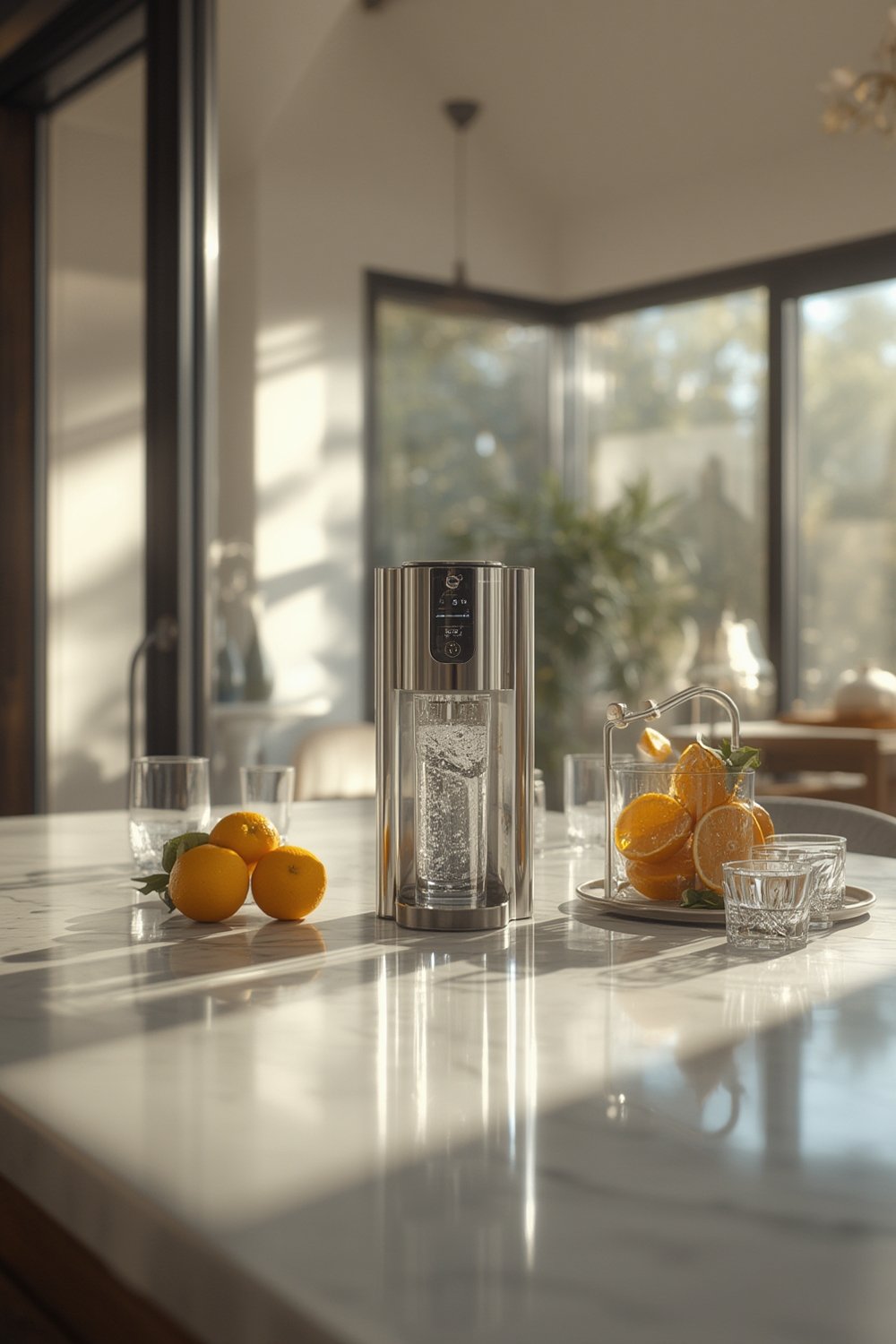
The big draw? You save hundreds each year and cut way down on single-use plastics. According to recent analysis, households using a SodaStream at moderate use (500 liters per year) save nearly $800 in the first year compared to buying sparkling water by the bottle. High-consumption households have reported avoiding over 1,200 cans annually, while saving as much as $1,195 per year in the US—a trend reflected worldwide.Source
Sustainability and cost reduction are at the heart of the switch. You’re also not locked into the taste or sweetness of commercial drinks. Many families appreciate the freedom to mix custom flavors or make healthier seltzers at home. This DIY revolution is part of the same smart kitchen movement that’s bringing in appliances like the Wireless Vacuum Sealer and the Smart Kitchen Scale for more efficient, eco-conscious food and drink prep.
How to Use a Sparkling Water Maker: Step-by-Step
Ready to start making fizzy water at home? Here’s exactly how to use a sparkling water maker, from initial setup through to enjoying your first drink.
- Choose your system: Most households opt for established brands like SodaStream or Sodafresh due to availability of refillable CO2 cartridges and replacement bottles. Consider a model that comes with at least one CO2 cylinder and two reusable bottles.
- Unbox and assemble: Attach the CO2 cylinder to the machine as per the manufacturer’s instructions. This usually means screwing the cylinder tightly into its mount in the back or bottom of the device.
- Fill your bottle: Use cold, clean water. Most soda maker bottles are marked with a fill line—don’t overfill, as the carbonating process needs extra space for gas expansion.
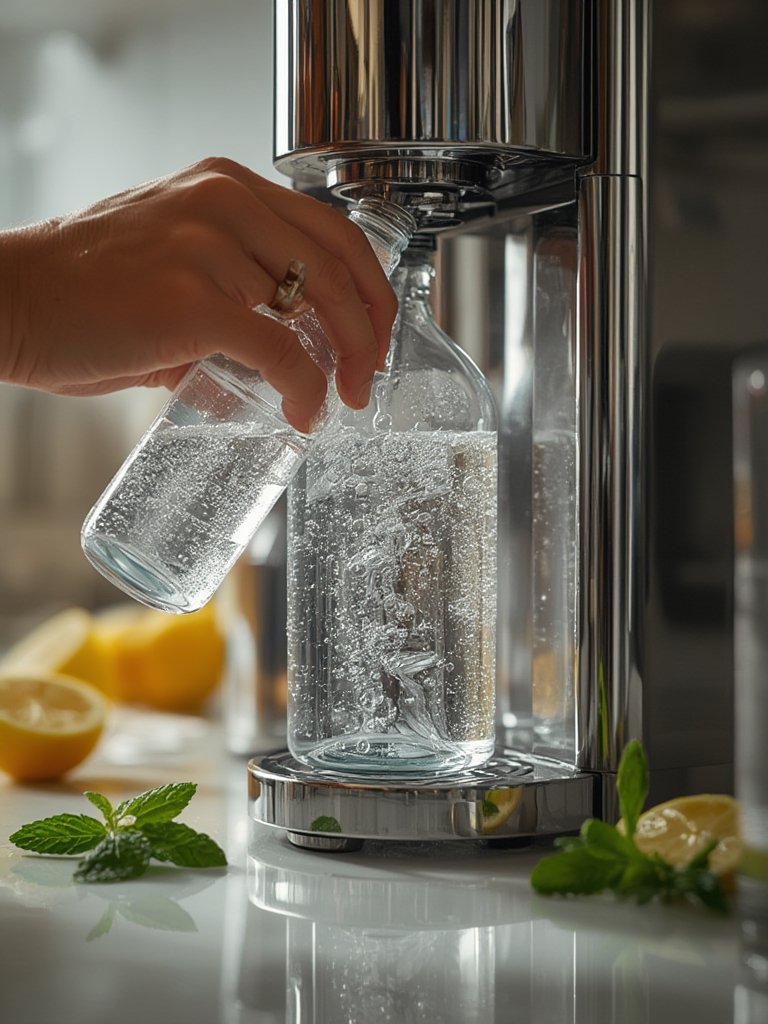
- Carbonate: Insert the bottle into the machine. Press the carbonation button in quick bursts (or hold, depending on model) to infuse CO2. The number of presses controls fizz strength. Start with three presses, then adjust to taste over time.
- Enjoy or flavor: Remove the bottle, seal with a cap, and either drink your freshly made seltzer or add natural flavors, syrups, or juices (away from the device, to avoid stickiness or damage).
- Store and clean: Store bottles in the fridge and wash after each use. Most sparkling water bottles are made from reusable PET plastic—hand wash only to avoid warping or premature degradation.
Some families also use their carbonated water for making custom sodas and healthy mocktails. With a Electric Salt and Pepper Grinder and fresh herbs, you can build endless flavor combos right at home—the possibilities are huge when you control your own fizz.
Advanced Analysis & Common Pitfalls
Before ditching store-bought sodas entirely, it’s important to know the fine print. Despite the clear benefits, there are key issues and drawbacks to consider.
Common Pitfalls & Hidden Costs
- CO2 Cylinder Refills: While ongoing costs are much lower than bottled water, you’ll need to budget for regular exchange or refill fees. In 2024, $13.50 per SodaStream cylinder is the US average—moderate users (500L/year) will use about 9 cylinders annually.
- Limited Bottle Compatibility: Most sparkling water makers only accept proprietary bottles. This means you can’t simply swap in third-party or universal PET bottles, and bottles should be replaced if they show wear or after expiry.
- Unclear Cylinder Lifespan: The 60L capacity is standard, but there’s little information about the true physical lifespan of a CO2 canister beyond the refill cycle. Repeated exchanges prevent waste, but physical damage could shorten its usable lifespan.
- Initial Investment Required: Expect to spend $100–$120 upfront for a starter set. This pays back quickly (less than six months for moderate users), but it’s a hurdle versus picking up bottled seltzer on demand.
- Lack of Certifications & Standards: In both US and EU markets, there’s little transparency around third-party testing or safety certifications for home carbonators. While brands like Sodafresh offer a 12-month warranty, regulatory oversight is murky.
Comparison: Home Sparkling Water vs. Store Bought
| Usage Scenario | SodaStream Year 1 Cost | Store-Bought (at $2/L) | Year 1 Savings |
|---|---|---|---|
| Low (300L) | $156.50 | $600 | $443.50 |
| Moderate (500L) | $210.50 | $1,000 | $789.50 |
| High (730L) | $264.50 | $1,460 | $1,195.50 |
Households making 500L of fizzy water per year with a SodaStream save nearly $800 versus buying cans or bottles, with totals improving as usage increases. [Figures sourced from this analysis.]
Most user complaints found online focus on perceived upfront cost, but these are typically offset after just a few months. Some buyers also express frustration at the lack of standardized bottle compatibility—the ability to use any bottle is extremely limited and not addressed by most reviews. For kitchens with minimal counter space, consider trends like the Portable Air Fryer or Nugget Ice Maker for examples of space-saving appliances with more flexible accessory options.
Environmental Impact
The eco-benefits are real, but difficult to quantify. SodaStream users and others have reported eliminating over 1,200 cans per year from their household waste thanks to reusable bottles.Source CO2 canisters can be exchanged or refilled, reducing landfill risk. However, there are still no published third-party studies comparing total emissions or recycling rates in 2024. Qualitative data suggests significant waste reduction, but more transparency is needed regarding the full environmental life cycle.
It’s also worth noting that—compared to modern kitchen tools like the Countertop Dishwasher or Electric Composter—the sparkling water maker’s environmental profile lacks definitive regulatory guidelines, leaving some eco-conscious consumers wanting better third-party data.
Conclusion
A sparkling water maker offers undeniable financial and environmental benefits for most families, especially those who frequently buy fizzy drinks. With a moderate initial investment and ongoing expenses typically one-fifth (or less) the cost of bottled seltzer, you quickly recover your costs while cutting plastic waste dramatically. Just be aware of proprietary designs, uncertain certification standards, and the need for bottle care and CO2 management.
If you want a simple, sustainable upgrade for your kitchen, a Sparkling Water Maker is a smart bet. Compare models, check for local CO2 exchange services, and don’t be afraid to try new flavor combos that store-bought sodas can’t offer. Ready to fizz up your routine? Make the switch today for fresher, greener, and tastier sparkling water at home.
FAQ
How much do you really save with a sparkling water maker?
Moderate users making 500L of sparkling water per year can save almost $800 in the first year, and high-usage households can save over $1,000 compared to buying bottled seltzer. Ongoing costs are usually less than $0.25 per liter, depending on CO2 refill prices. (Source)
Can you use any bottle with a soda maker?
No. Most sparkling water makers only accept their own branded bottles, which are designed to withstand the carbonation process safely. Third-party compatibility is not supported, so always use the manufacturer’s recommended bottles.
Are there any health or safety concerns?
Soda maker bottles are generally made from BPA-free PET, but always check manufacturer details. There is currently no industry-wide third-party certification or robust regulatory oversight for home carbonators in the US or EU.
What’s the most common user complaint?
Initial cost and the need for regular CO2 refills are the most common complaints, though these costs are generally offset after the first few months. Some users are frustrated by the inability to use third-party bottles.
How do I recycle my CO2 cylinder?
Most brands offer exchange or refill services for CO2 cylinders to prevent waste. Check nearby supermarkets, authorized dealers, or use a mail-in program to return your empty cylinder and get a filled replacement.