

Electric Can Opener devices are changing the way modern kitchens open cans—with just one touch, they offer convenience, safety, and accessibility that manual models cannot match.
Key Takeaways
- Electric can openers account for over half of global can opener sales, with strong growth driven by demand for convenience and accessibility.
- The best electric can openers offer hands-free operation, smooth-edge cutting, and crucial features for seniors, but they also have pitfalls every buyer should know.
- Practical use, routine maintenance, and smart model selection can help you avoid common frustrations and extend appliance life.
- Understanding Electric Can Openers: What and Why
- How to Use an Electric Can Opener: Step-by-Step
- Advanced Analysis & Common Pitfalls
- Conclusion
- FAQ
Understanding Electric Can Openers: What and Why
An electric can opener is a countertop kitchen appliance designed to automate the process of opening metal cans. Unlike manual can openers that require steady hand strength, electric models rotate and cut cans using a powered blade, making them especially helpful for people with arthritis, seniors, and anyone seeking convenience. The driving force behind the surge in popularity includes the need for hands-free operation, safer smooth-edge designs, and increased focus on accessibility for users with limited mobility.
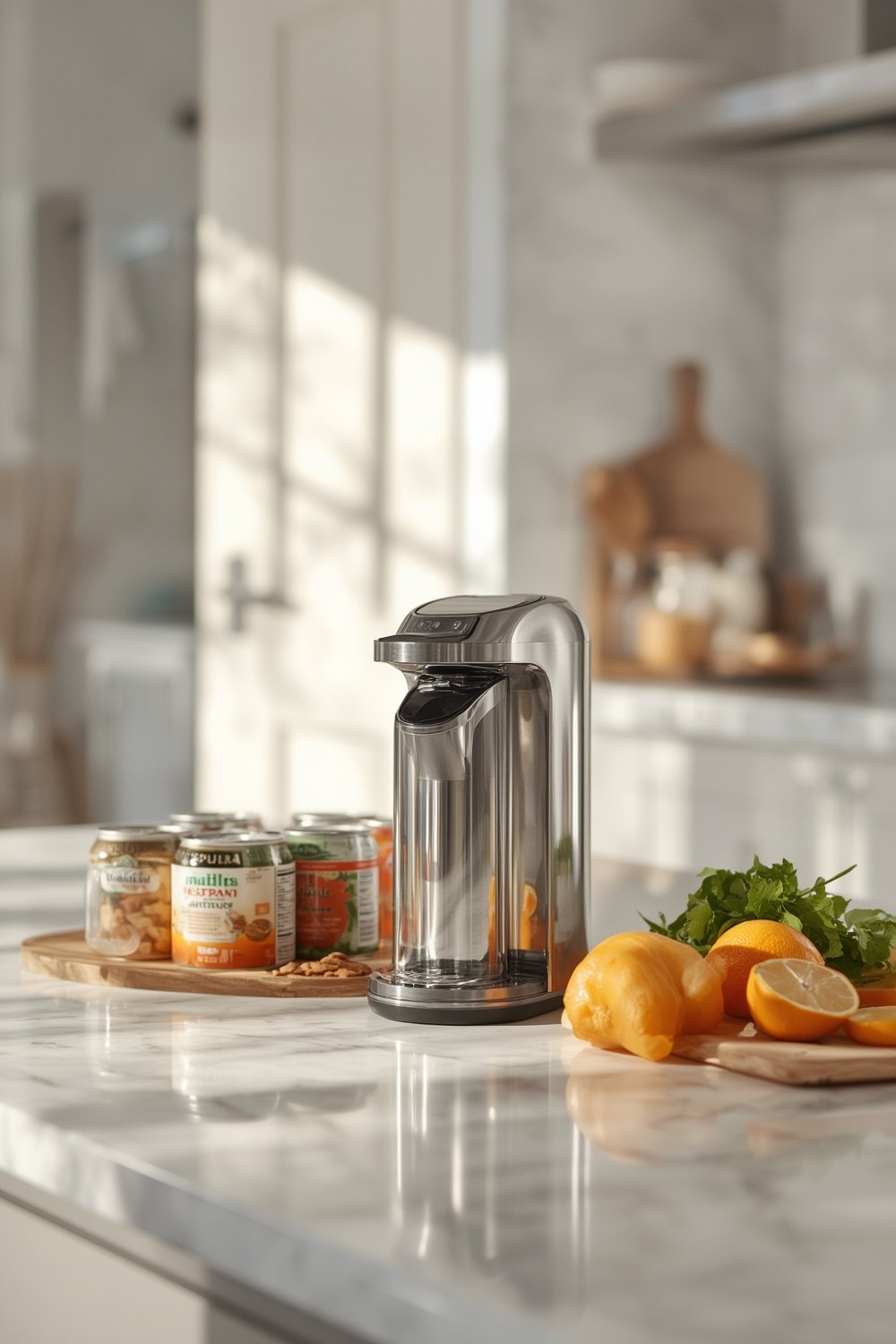
Rapid innovation, led by manufacturers seeking larger market share, means today’s electric can openers are available in both traditional countertop and sleek, one-touch automatic models. Automatic can openers, in particular, claimed a market value of $367 million in 2024 and are forecasted to exceed $600 million by 2035 (source). North America leads the adoption curve, but rising middle-class demand in Asia-Pacific is creating global growth opportunities as well (source).
The benefits go beyond convenience. Smooth-edge electric can openers reduce injury risk compared to jagged manual models. Some options even feature magnetic lids for mess-free disposal—a must for anyone prepping multiple canned ingredients, from soups to desserts. Ultimately, electric can openers are less a luxury and more an essential, particularly in homes or commercial kitchens where efficiency, safety, and accessibility matter.
How to Use an Electric Can Opener: Step-by-Step
- Check the Setup: Place your electric can opener on a flat, clean surface. Ensure it is properly plugged into a suitable outlet or, if battery-powered, has sufficient charge.
- Prepare Your Can: Remove any label near the rim of the can. Wipe the top clean to prevent contaminating contents during cutting.
- Position the Can: Lift the lever or clamp. Align the cutting wheel and the magnet (if included) with the can’s lid edge.
- Start the Opener: Press or hold the activation button. The motor will rotate the can while the blade cuts a smooth edge around the lid.
- Let It Run: Some one-touch models automatically stop when the cut completes; others require you to release the button.
- Remove and Dispose: Carefully lift the lid, using the built-in magnet when available. Clean the cutting assembly after use for safety and hygiene.
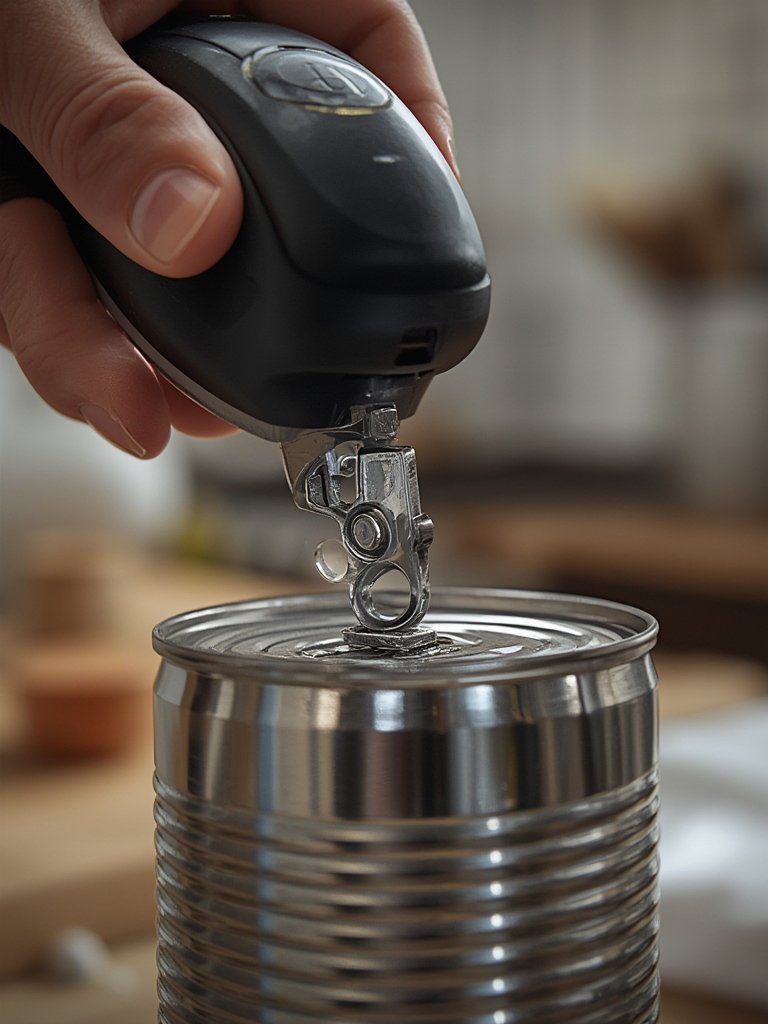
To keep your electric can opener running smoothly, clean removable parts often and avoid immersing the motor housing in water. If your kitchen values fast cleanup, pair your can opener with a smokeless indoor grill or automatic stirring pot for the most efficient meal prep station.
Advanced Analysis & Common Pitfalls
Despite major growth and adoption, electric can openers are not without downsides. Gaps in design, safety, and cost transparency trip up many buyers. Here’s what actual research and users reveal:
| Pitfall | What to Watch For | How to Overcome |
|---|---|---|
| Unreliable One-Touch Operation | Some smooth edge or one-touch models stall mid-cut or don’t grip certain can sizes. | Choose models with strong user reviews and try with several can shapes before relying daily. |
| Limited Accessibility Features | Few models rate highly among arthritis or limited grip users. Button placement and lever resistance vary widely. | Check for oversized, ergonomic buttons and hands-free locking for maximum accessibility. Explore comparisons like a one hand electric salt grinder or smart kitchen scale for similar features. |
| Hidden Costs | Smooth edge, rechargeable, or stainless-steel units can cost 2–5x manual openers. Batteries often not included. | Compare total cost with manual options and check for bundled batteries or extended warranties. |
| Technical Breakdowns | Motors can overheat or jam if not cleaned or used with oversized cans. | Avoid continual use with industrial-size cans. Clean and lubricate gears monthly as preventive maintenance. |
| Safety Events | Recent reports (limited) mention accidental starts or sharp edges from misaligned gears. | Keep unplugged when not in use and test with scrap cans for safe edge quality. |
Some models claim universal can compatibility but struggle with non-standard or lightweight cans. Before buying, review independent comparisons or reach out to consumer forums—especially if accessibility is a must. Battery longevity and blade quality (usually stainless steel vs. zinc alloy) are top differentiators, parallel to upgrades found in modern kitchen tools like a wireless vacuum sealer or ice cream maker machine.
Regionally, North America’s electric can opener market is expected to reach $480 million by 2035, nearly half of the global share (source). But as competition heats up, new brands may cut corners on safety certifications or support, so always verify safety features when purchasing online or from unfamiliar brands (source).

Conclusion
Electric can openers are vital kitchen appliances that blend accessibility, safety, and speed for modern convenience. When you choose the right model, maintain it, and stick to proven brands, you overcome common pitfalls and maximize kitchen efficiency. With over 55% of the can opener market now electric (source), the evidence is clear: an electric can opener is no longer a nice-to-have but a true essential. Ready for hassle-free meal prep? Choose your model and experience the difference today.
FAQ
Are electric can openers safer than manual openers?
Most electric can openers offer smoother, safer cuts, reducing the risk of jagged edges. Models with smooth-edge technology are especially safe for everyday use.
Can electric can openers work on all can sizes and shapes?
Many electric can openers are designed for standard cans but may struggle with extra large, small, or oddly shaped cans. Always check product specs and try several sizes during your return window.
What features matter most for users with arthritis or limited mobility?
Look for oversized buttons, easy lever action, and hands-free locking. Models with magnetic lid lifters are much more accessible. Some users also prefer rechargeable over corded for greater reach.
How do I clean and maintain my electric can opener?
Unplug the device first. Remove and wash cutting components (if detachable), wipe the exterior, and gently clean around the blade area. Monthly lubrication can extend gear and motor life.
Do all electric can openers offer smooth-edge cutting?
No, not all do. Confirm “smooth edge” or “safety edge” in product listings if soft lid edges matter to you. Otherwise, traditional models may leave sharper openings.