

### Blog Post:
Countertop Dishwasher models have become one of the most practical solutions for small kitchens, apartments, and homes without conventional plumbing. If you’re tired of piling up dishes or lack the space for a full-sized built-in dishwasher, this guide will break down exactly what you need to know before making a smart choice this year.
Key Takeaways
- Countertop dishwashers are growing fast in popularity due to urban living, compact spaces, and easy installation with no major plumbing needed
- Top pain points include capacity limits, occasional leaks, and maintenance complexity not covered by most reviews
- Look for water efficiency, practical dimensions, and modern innovations like Wi-Fi connectivity and auto detergent dispensing
- What is a Countertop Dishwasher? The Core Concept
- How to Choose and Use a Countertop Dishwasher: Step-by-Step Guide
- Advanced Analysis & Common Pitfalls
- Conclusion
- FAQ
What is a Countertop Dishwasher? The Core Concept
A countertop dishwasher is a compact, plug-and-play appliance designed to clean dishes in tight spaces without requiring permanent water lines or complicated plumbing. These units sit on your countertop, use either a direct faucet hookup or built-in water tank, and clean a small but useful number of place settings in each cycle. The surge in adoption is fueled by the rise in urban apartments, smaller households, and the desire for low-hassle, energy-efficient kitchen solutions.
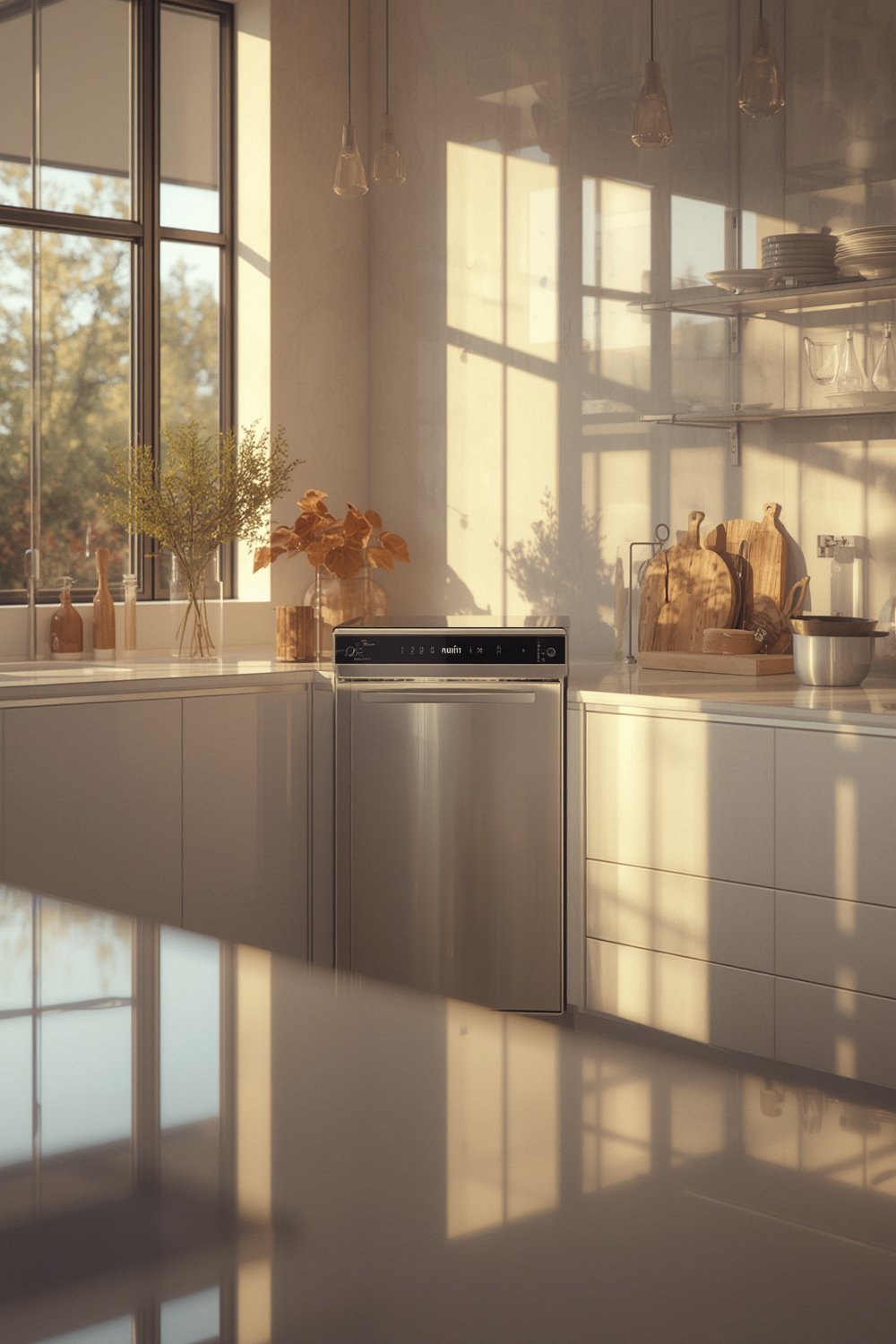
Recent market reports show the countertop dishwasher segment is booming, with values between USD 1.07 to 2.48 billion in 2024 and growth projected at more than 5 percent annually. Over 45 percent of urban users prefer compact units for their kitchens, especially when traditional built-in dishwashers are not an option due to plumbing or rental restrictions.
The main appeal? Countertop dishwashers deliver real dishwashing convenience, lower water and energy usage, quick setup, and portability in spaces where “bigger isn’t better.” This design makes them especially viable if you’re living in a rented apartment or need to maximize every inch of your kitchen.
How to Choose and Use a Countertop Dishwasher: Step-by-Step Guide
- Measure Your Space: Before you shop, measure the available space on your counter and under any overhead cabinets. Most countertop dishwashers are about 17 to 22 inches wide and 17 to 20 inches tall, but models vary.
- Assess Plumbing Needs: Decide if you prefer a model with a built-in water tank (no hookup needed) or one that connects temporarily to your faucet. Water tank models offer the most placement flexibility but require manual filling.
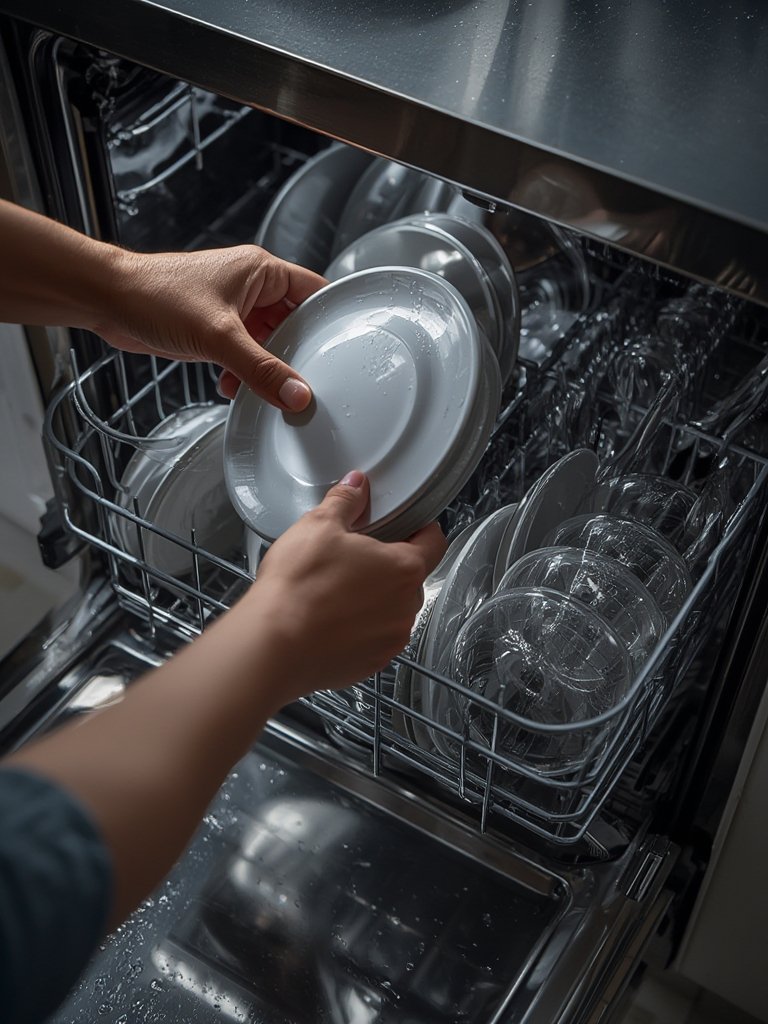
- Check Capacity: Small models typically fit 4 to 6 place settings. If you use oversized plates, measure their diameter and check the appliance’s specs carefully.
- Evaluate Features: Look for energy/water efficiency, multiple cycle options (e.g., eco, quick, glassware), a detergent dispenser, child lock, and, if possible, smart features like Wi-Fi or app connectivity.
- Plan Installation: For water tank models, simply plug in and fill. For faucet models, you’ll need to attach the included adapter to your faucet—usually a five-minute task with standard tools.
- Perform Routine Maintenance: Clean the filter every week, check spray arms for clogs, and run a vinegar rinse cycle monthly to keep limescale and odors at bay.
- Want more space-saving kitchen strategies? Check out our guide on the Portable Air Fryer and how to combine multiple compact appliances for a truly efficient setup.
- If you track your nutrition or prep meals in batches, pairing your dishwasher with a Smart Kitchen Scale streamlines meal routines and cleanup.
Advanced Analysis & Common Pitfalls
Despite glowing marketing, countertop dishwashers are not perfect. Here’s a realistic look at frequent issues and how these units compare to traditional dishwashers:
| Feature | Countertop Dishwasher | Traditional Built-In Dishwasher |
|---|---|---|
| Plumbing Needed | None or faucet adapter; some with water tank | Permanent plumbing required |
| Installation Time | 5-10 minutes | Professional install; hours or more |
| Ideal For | Renters, apartments, small households, RVs | Permanent homes, families |
| Energy/Water Usage | Low (eco models); efficient for small loads | Low per item, but only efficient with full loads |
| Capacity | 4–6 place settings; may not fit large pots | 10–16 place settings; fits large trays/pots |
| Common Pitfalls | Leaks, drainage issues, capacity struggles, unclear maintenance | Requires plumbing, not suited to small or rental spaces |
- Maintenance Challenges: Limescale buildup and filter cleaning are more frequent in mini units, especially in hard water areas. No drain hose air gap means backflow can occur if not placed correctly.
- Kitchen Layout Fit: Oddly-shaped kitchens may leave little room for the unit door to open fully, or for water tanks to be refilled without lifting the machine. Always check vertical clearance and depth before purchase.
- Dish Compatibility: Not all models fit 11-inch or larger dinner plates upright; be wary, as specs often state “up to 10 inches.” Deep bowls, tall mugs, and pots may require hand washing still, so verify specs if these items are daily drivers in your kitchen.
Another area competitors consistently skip: integrating other smart kitchen gadgets. For instance, pairing a countertop dishwasher with an Nugget Ice Maker or Electric Salt and Pepper Grinder can seriously modernize even the tiniest kitchen.
Latest Innovations
- Wi-Fi and App Connectivity: Control wash cycles, receive maintenance alerts, or start a cycle before you arrive home.
- Automatic Detergent Dispensing: No more guessing; just refill once a week and let the machine handle the rest.
- Energy-Saving Technology: Advanced sensors and eco-cycles adapt to smaller loads, reducing wasted energy and water—a key feature called out in recent research.
- Tankless Drainage: Some modern models include additional drainage modes or quick-connect systems, avoiding overflow mishaps common in older machines.
For a closer look at innovation in small-space cooking tech, see our Smokeless Indoor Grill or Automatic Stirring Pot reviews.
Pricing can vary widely, with many models falling in the $250–$450 range (based on current online marketplace averages, though direct data for 2024 was sparse in published research). Always check for warranty, in-box accessories, and return policy before you buy.
Conclusion
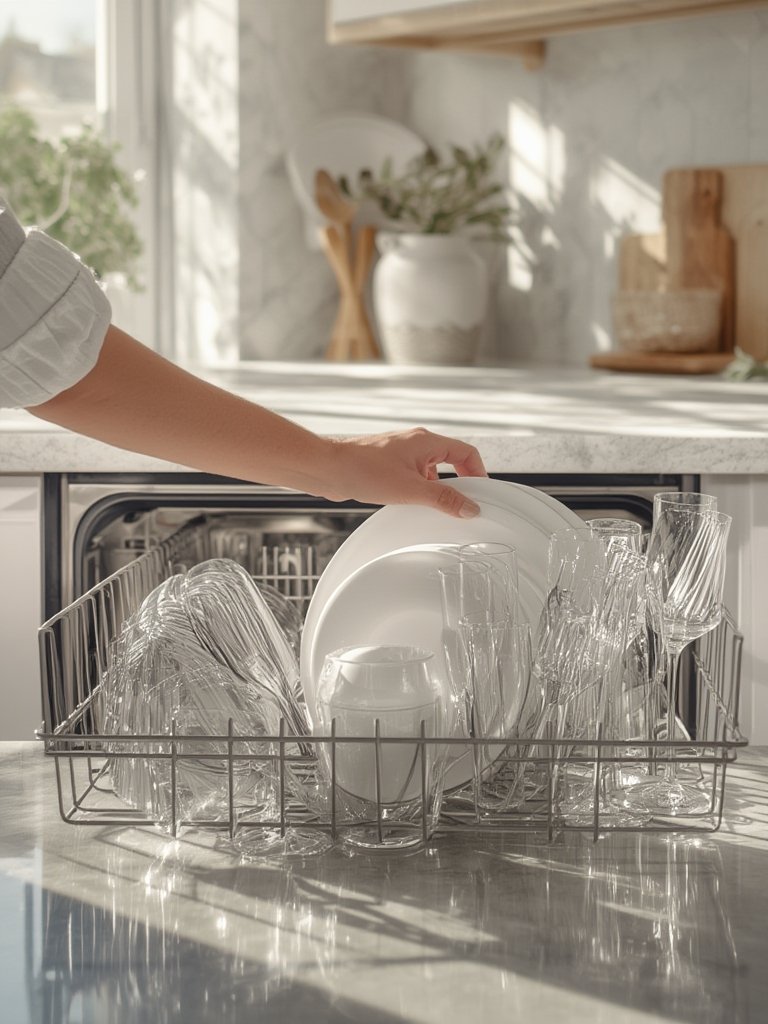
Countertop dishwashers are a smart, realistic solution for anyone who wants faster dish cleanup without plumbing changes or a kitchen remodel. They are ideal for renters, apartment dwellers, and households looking for energy and space efficiency—and with innovations like smart controls and improved water savings, they’re more practical than ever. If you’re considering switching to a Countertop Dishwasher, weigh capacity, installation needs, and real maintenance before clicking “buy.” Ready to transform your daily kitchen grind? Compare the latest models and upgrade your small-space living today.
FAQ
Can I use a countertop dishwasher if I have no access to plumbing?
Yes. Many modern countertop dishwashers have built-in water tanks that only require you to fill them by hand, making them perfect for kitchens with no direct plumbing access.
Do countertop dishwashers use more water than washing by hand?
Generally, no. Most use around 2–3 gallons per cycle, which is less than typical hand washing for the same number of dishes—especially if you fill the unit to its proper capacity.
What types of dishes won’t fit in a mini dishwasher?
Oversized dinner plates (over 10–11 inches), tall pots, large baking trays, and some deep bowls may not fit. Always check the official interior dimensions before purchasing.
How often should I clean my countertop dishwasher’s filter and spray arm?
Clean the filter and check the spray arm at least once per week to keep your unit operating efficiently and odor free. Run a monthly maintenance cycle with vinegar or a cleaner if your water is hard.
Are there energy saving models available?
Yes. Recent models often include eco-cycles, sensor-based water usage, and even app-based monitoring for maximum efficiency. Look for official Energy Star ratings when shopping.