

### Blog Post:
Rice Cooker & Steamer appliances have become staple tools in kitchens worldwide, transforming the way people cook rice, grains, and steamed dishes with efficiency and consistency. Whether you’re eyeing a Japanese rice cooker, a digital multicooker, or a commercial unit, understanding their features, market trends, and common pitfalls will help you make an informed choice and get the most out of this essential kitchen technology.
Key Takeaways
- The rice cooker & steamer market is growing steadily, driven by demand for multi-functional and smart cooking solutions.
- Advanced features like app connectivity, induction heating, and durable stainless steel construction are in high demand, but often come at a premium.
- Proper maintenance and understanding of your appliance’s limitations are crucial to maximize lifespan and performance.
- What Is a Rice Cooker & Steamer, and Why Is It a Smart Choice?
- Practical Guide: How to Use, Maintain, and Upgrade Your Rice Cooker & Steamer
- Advanced Analysis & Common Pitfalls
- Conclusion
- Frequently Asked Questions
What Is a Rice Cooker & Steamer, and Why Is It a Smart Choice?
Rice cookers & steamers are electric kitchen appliances designed for automatic cooking of rice, grains, and, often, a variety of steamed dishes from vegetables to fish. Recent models, especially smart rice makers and Japanese rice cookers, offer advanced features such as programmable settings, IoT connectivity, and induction heating, setting them apart from basic cookers or steamers.
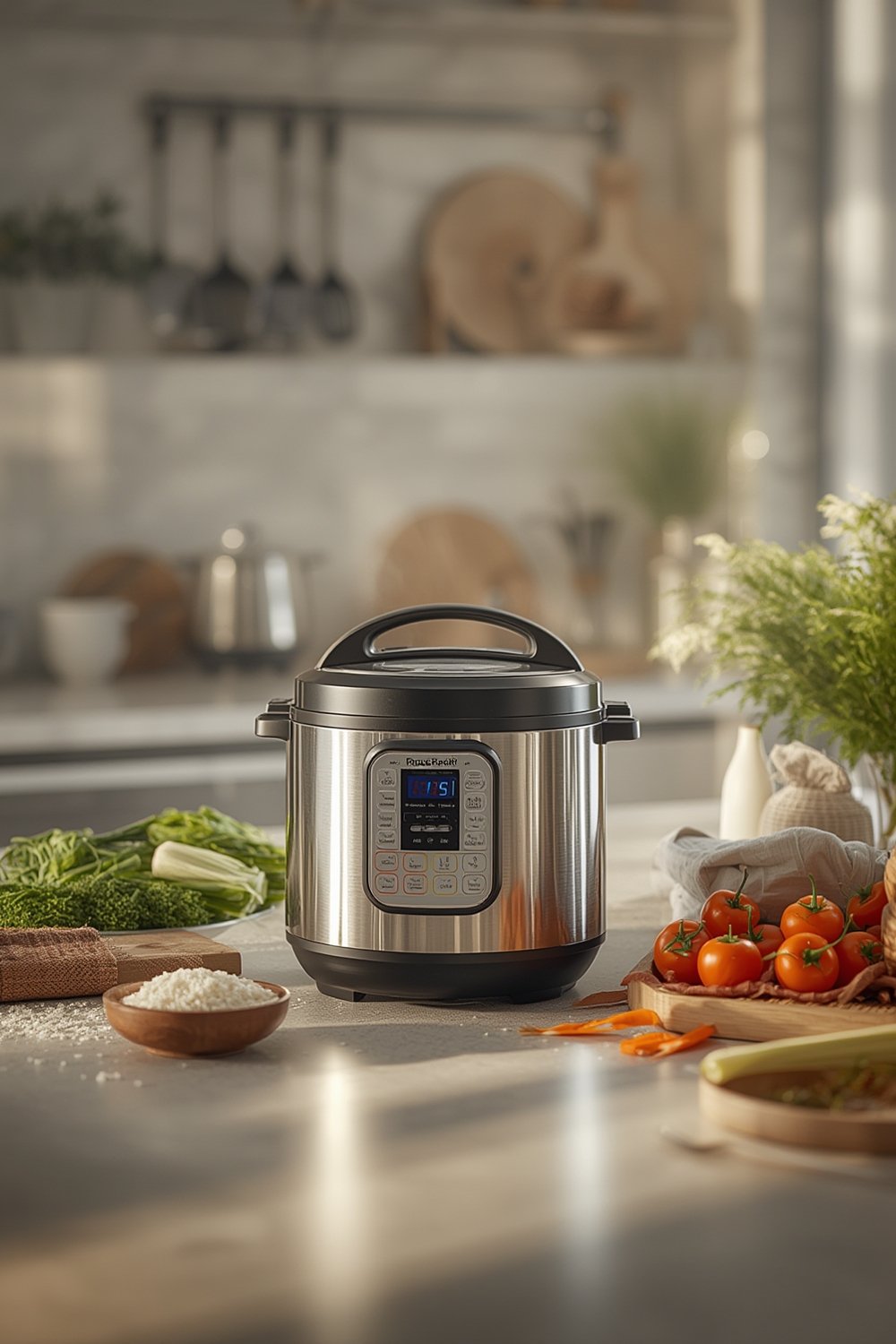
The worldwide rice cooker & steamer market was valued at $5.76 billion in 2024 and is projected to jump to $8.2 billion by 2035. This growth is attributed to rising consumer demand for programmable and multi-functional cooking appliances that fit modern lifestyles. Features like app control, personalized cooking profiles, energy efficiency, and easy maintenance attract both home cooks and commercial users.
Brands such as Zojirushi, Panasonic, and Tiger are recognized for their reliability and innovation in rice cooking. Stainless steel models have become increasingly popular for their 8-10 year lifespan and superior hygiene, as reported by market analysis (65% of buyers list food safety as a top priority).
Unlike many smaller kitchen gadgets—such as the Portable Air Fryer or the Smart Kitchen Scale—a rice cooker & steamer is a fundamental appliance with a high intent buyer base, particularly among those looking to invest in durability and easy meal prep.
Practical Guide: How to Use, Maintain, and Upgrade Your Rice Cooker & Steamer
Getting the most from your rice cooker & steamer involves more than pushing a button. Below you’ll find a realistic, stepwise approach tailored for beginners and upgraders alike:
- Read the Manual Thoroughly: Each brand or model (whether Zojirushi, Tiger, or a digital multicooker) has unique features—it’s critical to review the guide before use.
- Measure and Rinse Rice Correctly: Use the provided measuring cup and rinse rice several times to remove excess starch for best results.
- Select the Right Cooking Program: High-end models offer specific grain or dish settings (sushi rice, brown rice, porridge). Take advantage of these for optimal texture.
- Use the steaming trays Efficiently: Layer vegetables or proteins above the rice to maximize one-pot meal benefits.
- Clean Immediately After Use: Prevent residue or corrosion by washing the pot, lid, and steam vents while still warm.
- Season or Polish stainless inner pots: If your model uses a stainless inner pot, periodic gentle polishing can prevent minor scratches.
- Explore App & Connectivity Features: If you own a smart rice maker, set up connectivity, experiment with remote starts, and customize profiles.
- Monitor for Updates: Some app-enabled cookers receive firmware updates for new features or bug fixes—check periodically.
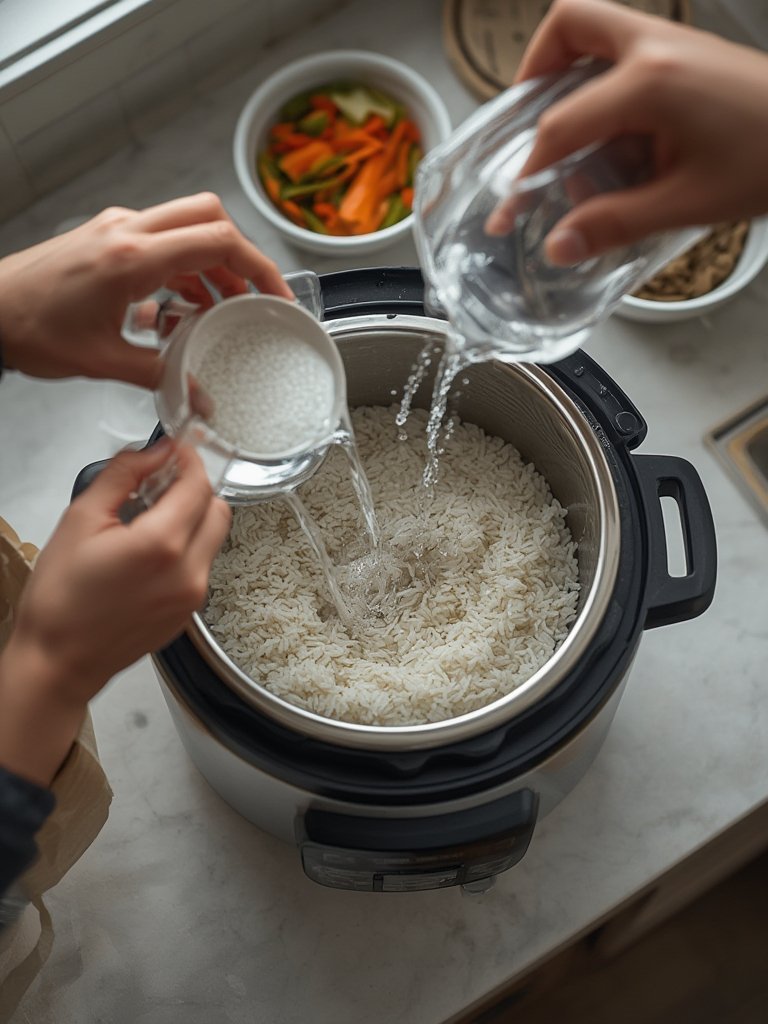
For best maintenance, avoid using metal utensils on stainless or non-stick inner pots. If you’re considering an appliance upgrade, exploring market-leading options (like Cuckoo for voice-enabled models or Tiger for commercial volume) can address family or restaurant needs. If smart upgrades appeal, check out comparative buying guides similar to those for a Nugget Ice Maker or Automatic Stirring Pot for the latest in kitchen innovation.
Advanced Analysis & Common Pitfalls
Modern rice cooker & steamer models deliver on convenience, but even the best appliance is not immune to issues. Here are important realities and mistakes to avoid, based on current research data:
- Stainless Steel Cost Barrier: Stainless inner pots, while hygienic and long-lasting, cost 25–40% more than aluminum—this can limit access in price-sensitive markets.
- Lack of Specific Consumer Data: Surprisingly, few large-scale studies report negative reviews, but anecdotal issues include inconsistent cooking for specialty grains and unreliable app connectivity in some smart models.
- Energy Usage Uncertainty: While electric and induction models are marketed as efficient, there are almost no standardized kWh usage comparisons. Some competitor articles neglect to address how much energy is really saved across models.
- Maintenance Overlooked: Many users are unaware that even stainless steel inner pots require gentle care to prevent micro-scratches or corrosion, which can develop over years of use.
- Feature Scarcity: Although app/voice control is popular, not all models or regions have these options integrated, meaning feature-rich versions can be hard to procure outside of Asia.
- Commercial vs. Home Integration: In busy kitchens or restaurants, app-connected and AI-driven features can lag due to Wi-Fi drops, causing delays during meal rushes.
| Feature | Traditional Rice Cooker | Smart Rice Maker (e.g., Zojirushi) | Commercial Grade |
|---|---|---|---|
| Settings | Basic (white/brown/keep warm) | Multiple grains, app, profiles | Bulk controls, larger capacity |
| Inner Pot Material | Aluminum/non-stick | Stainless steel, premium non-stick | Heavy gauge stainless steel |
| Smart Features | None | IoT/app, voice, remote ops | Limited integration |
| Energy Efficiency | Good | Superior (some induction models) | Optimized for volume |
| Price Point | Entry level | Mid to premium (25-40% higher) | High, but cost per use drops |
For deeper analysis, consider cross-shopping energy and longevity specs between rice cookers and similar appliances, just as you would when evaluating a Electric Salt and Pepper Grinder or Smokeless Indoor Grill before purchasing.
Conclusion
The right rice cooker & steamer can make meal prep easier, tastier, and more efficient—especially when you select the right features for your needs and learn realistic maintenance routines. From app-enabled Smart Rice Makers to commercial stainless steel units, today’s options suit diverse needs and budgets. As you weigh your choices, remember the points above and check credible market sources like market analysis reports for the most accurate, up-to-date trends.
If you’re ready to upgrade or just want to get more from your investment, take honest stock of your cooking style and start comparing models. For further insights on advanced kitchen tech, browse our guides on Countertop Dishwasher, Electric Warming Tray, or Wireless Vacuum Sealer for smart home inspiration.
Start exploring the expanding world of Rice Cooker & Steamer technology today—your next perfect bowl of rice is just a button (or app) away.
Frequently Asked Questions
How do I maximize the lifespan of a stainless steel rice cooker pot?
Clean thoroughly after each use, avoid harsh abrasives, and use non-metal utensils to prevent scratches. Occasionally polish with a soft cloth to keep the finish smooth. Store with the lid off to avoid trapped moisture.
What features distinguish a smart rice maker from a traditional model?
Smart rice makers typically include app or voice control, program customizations for rice and grains, precise temperature control, and sometimes remote operation. Traditional models usually have basic cook/keep warm settings without connectivity.
Are stainless steel cookers worth the extra cost?
For many users, yes—stainless steel pots last 8-10 years and are more hygienic. The extra cost can be justified by longevity and easier maintenance, especially in families or commercial kitchens where food safety is a concern.
Can rice cookers be used for dishes beyond rice?
Yes. Many modern rice cookers & steamers handle whole grains, porridge, soups, eggs, vegetables, and even steaming fish or dumplings. Refer to your appliance’s manual for precise cooking ratios and program recommendations.
Is app or IoT connectivity reliable in commercial environments?
Connectivity can be limited by Wi-Fi reliability. In high-volume restaurants or catering, interruptions could delay meal prep, so backup manual controls are always recommended.